

- Vlogging Camera for YouTube with SD Card 3.0″ 180° Flip Screen 16X Digital Zoom Anti-Shake Charging Station, 2 * Batteries for Teenagers, Beginners, Adults


Winter always brings a special kind of magic, doesn’t it? The world transforms into a frosted wonderland, where every tree branch glistens and the air feels crisp and refreshing. As the days grow shorter, I find myself craving those breathtaking moments when the sun dips low in the sky, casting a warm, golden glow over everything. This season can be a photographer’s dream, but capturing the beauty of winter landscapes isn’t always easy. That’s why I created this post—to share some stunning photography gems that highlight the best of what winter has to offer.
If you’re someone who loves photography, especially during the colder months, this post is for you. Whether you’re an amateur snapping photos on your phone or a seasoned pro with a fancy camera, you’ll appreciate the unique opportunities winter provides. You might be drawn to the ethereal quality of moody skies or the way the light dances during those golden hour moments. Whatever your winter photography passion, there’s something here for you.
In this post, I’ve pulled together 15 winter landscape photography gems that will inspire and guide you. From capturing that soft, golden glow at sunset to finding depth in the stark contrasts of a snowy scene, you’ll discover tips and techniques that are both simple and effective. You’ll learn how to make the most of those fleeting moments that define this beautiful season.
Get ready to embrace the chill and explore the stunning visuals that winter brings. With these gems in your toolkit, you’ll create images that evoke emotions and memories long after the snow melts. So, grab your camera and let’s dive into the enchanting world of winter photography together!
Contents
- 1. The Magic of Golden Hour Reflections
- 2. Frosted Trees Under a Pink Sky
- 3. Moody Skies and Snowy Peaks
- 4. Breathtaking Twilight Scenes
- 5. Icy Wonders: Macro Photography in Winter
- 6. Winter Wildlife in Scenic Settings
- 7. Snowy Forest Trails: A Photographer’s Paradise
- 8. Snowy Mountain Reflections in Lakes
- 9. Dramatic Light and Shadows in Winter
- 10. Capturing People and Pets in the Snow
- 11. Unique Patterns in Nature’s Snowfall
- 12. The Allure of Snowy Sunsets
- 13. Exploring Ice Caves and Frozen Waterfalls
- 14. The Charm of Winter Villages
- 15. Embracing the Stillness of Winter Landscapes
1. The Magic of Golden Hour Reflections

The golden hour is a magical time for photography, especially in winter. The soft, warm light during this period transforms snow and ice into stunning visuals. Picture the sun rising or setting, casting a golden glow on frost-covered trees and shimmering ice. This light creates an atmosphere that feels almost otherworldly, perfect for capturing moments you’ll cherish forever.
To make the most of this enchanting light, here are some practical tips:
Find reflective surfaces. Look for ponds or icy patches that can mirror the beautiful colors of the sky.
Get low. Position your camera close to the ground to enhance the dazzling effects of light on the snow.
Play with long exposures. This technique can give your photos a dreamy, soft look, ideal for winter scenes.
Use leading lines. Incorporate paths, trees, or fences that guide the viewer’s eye toward those captivating reflections.
These techniques can amplify the beauty of your winter photography. Remember, every moment of golden hour is unique, so be ready to capture the unexpected. With these tips, you can create unforgettable images that showcase the stunning contrasts of soft hues against the pure white snow. Embrace the magic of this time, and let your creativity shine!
The Magic of Golden Hour Reflections
Editor’s Choice

K&F CONCEPT 64inch/163cm Camera Tripod, Lightweight Aluminum Travel Outd…
 Amazon£45.99
KINGMAS 3 in 1 Universal Fish Eye Lens + Wide-Angle Lens + Macro Clip Ca…
Amazon£6.99
K&F CONCEPT 58mm Variable ND2- ND400 Filter Neutral Density Filter Slim …
Amazon£23.992. Frosted Trees Under a Pink Sky

Picture the magic of a winter morning. The sun peeks over the horizon, painting the sky in soft pinks and oranges. Below, frosted trees shimmer as if dressed in diamonds. This scene invites you to grab your camera and capture its beauty.
To make the most of this enchanting setting, consider these tips for stunning photographs:
– Get close to the frosted branches. This captures the intricate details of the ice crystals, making your images feel intimate.
– Step back for wide-angle shots. This gives context, showing the frosted trees against that breathtaking pink sky.
– Use a high aperture setting on your camera. This keeps the frost sharp and clear, highlighting every glimmer and sparkle.
These techniques help you tell a story through your lens. You’ll showcase winter’s chill while also capturing the warmth of the rising sun. It’s a balance of cold and cozy that resonates with viewers.
Ready to get started? Here are some practical steps:
– Choose the right time. Aim for the early morning when the light is softest.
– Dress warmly. You’ll want to stay comfortable while you snap away.
– Bring a tripod. This keeps your camera steady, especially in low light.
– Experiment with angles. Don’t be afraid to try different perspectives to find the best shot.
By following these tips, you’ll create captivating images that reflect the beauty of winter mornings. Each photo will remind you of that magical glow and inspire others to appreciate the season’s wonders.
On winter mornings, the pink sky promises light—frosted trees sparkle, and your camera finally sees what your eye loves. Stay close to the branches, then step back for that diamond-dusted wide shot, and your winter landscape photography will glow.
Frosted Trees Under a Pink Sky
Editor’s Choice

K&F CONCEPT 64inch/163cm Camera Tripod, Lightweight Aluminum Travel Outd…
Amazon£45.99
Windproof and Waterproof Warm Gloves with Finger Cap – 1Pair Bicycle Glo…
Amazon£7.99
Professional Camera Cleaning Kit with Blowing Bottle, Cleaning Solution,…
Amazon£13.993. Moody Skies and Snowy Peaks

Capture the stunning beauty of moody skies looming over snow-covered mountains. The deep gray of the clouds contrasts wonderfully with the bright, glistening snow below. Imagine the rich textures and colors—dark blues and whites that can transform an ordinary scene into something magical. You’ll find inspiration in popular photography accounts on Instagram, where these dramatic landscapes shine.
To get the best shots, pay attention to the time of day. Early mornings or late afternoons offer softer light, which can add warmth to your images. Look for interesting cloud formations that tell a story or create a sense of drama. Experiment with techniques like HDR photography to manage the light differences between the sky and the snow. This will help you highlight the rugged peaks while keeping the foreground soft and inviting.
Here are some practical tips to help you on your photographic adventure:
Choose the right time—early morning or late afternoon for softer light.
Look for unique cloud shapes to add drama to your photos.
Experiment with HDR to balance bright snow and dark clouds.
Focus on composition—use leading lines to draw attention to your subject.
By following these tips, you’ll create captivating images that showcase the breathtaking beauty of winter scenes. Your photos will not only capture the essence of the moment but also evoke feelings of wonder, making them perfect for sharing with friends and family. Happy shooting!
Moody Skies and Snowy Peaks
Editor’s Choice
K&F CONCEPT 64inch/163cm Camera Tripod, Lightweight Aluminum Travel Outd…
Amazon£45.99
Professional Camera Cleaning Kit with Blowing Bottle, Cleaning Solution,…
Amazon£13.99
TARION Camera Backpack Bag DSLR – Professional Camera Bag with Waterproo…
Amazon£29.994. Breathtaking Twilight Scenes

Twilight casts a magical spell over winter scenes. As the sun dips below the horizon, the world transforms. You’ll see the snow glow in soft pastels, shifting from warm oranges to deep blues. This enchanting light creates a mood that feels both calm and mysterious. Think of the stunning views you might capture, like a frosty forest silhouetted against a dusky sky or a quiet path blanketed in snow.
To make the most of these twilight moments, follow a few simple tips. First, always use a tripod. This keeps your camera steady, allowing you to take longer exposure shots without blurring. Don’t forget to include elements in the foreground, like branches or snowdrifts. These details add depth to your photos, drawing the viewer into the scene. When you shoot, aim for that delicate balance of light and shadow, and consider how the colors change as the sun sets.
Here are some practical tips to capture those breathtaking twilight scenes:
• Use a tripod to keep your camera stable
• Choose silhouettes of trees or buildings against the sky
• Incorporate foreground elements for added depth
• Experiment with exposure settings to capture the right light
By following these tips, your twilight photos will not only tell a story but also evoke emotions. You’ll create images that invite viewers into the serene beauty of winter evenings, making each shot a moment to remember.
Breathtaking Twilight Scenes
Editor’s Choice

XXZU 71″ Camera Tripod, Tripod For Camera Phone with 360°Ball Head and S…
Amazon£33.99
Wireless Bluetooth Camera Shutter Remote Control for Smartphones – Creat…
Amazon£3.105. Icy Wonders: Macro Photography in Winter

Winter is a magical time for macro photography. The world transforms into a frosty wonderland, filled with glistening ice crystals and delicate frost patterns. Each tiny detail tells a story, waiting for you to capture it.
Imagine zooming in on a leaf coated in shimmering frost. You can see the intricate designs of ice that often go unnoticed. Or picture the beauty of a single snowflake, each one unique and beautiful. These images can stir emotions and show just how stunning winter can be.
To get started, here are some simple tips that will make a big difference:
Use a macro lens to focus closely on frost-covered surfaces. This will bring out the details in your shots.
Experiment with focus stacking. This technique combines multiple images to enhance clarity and capture every detail.
Look for contrasting colors. A bright red berry against white snow can really make your photo pop.
Use natural light early in the morning or late in the afternoon. The soft light during these times adds a beautiful glow to your images.
Remember, macro photography in winter is about patience and observation. Take your time to explore your surroundings. You’ll find beauty in the small things that others might overlook. With practice, you’ll capture enchanting images that showcase the winter season’s hidden gems.
Winter photography doesn’t have to be complicated. Grab your camera, step outside, and let the icy wonders inspire you!
Icy Wonders: Macro Photography in Winter
Editor’s Choice
KINGMAS 3 in 1 Universal Fish Eye Lens + Wide-Angle Lens + Macro Clip Ca…
Amazon£6.99
RISEOFLE Phone Tripod & Selfie Stick, 180cm Aluminum All in One Extendab…
Amazon£13.99
NiceVeedi 2-Pack Photography Lighting Kit, 25 * 20CM Dimmable15W LED Stu…
Amazon£55.996. Winter Wildlife in Scenic Settings

Winter is a magical time for wildlife photography. The cold transforms animals and their surroundings, creating unique opportunities. You can capture stunning moments that tell stories of survival amid the snow. Imagine a fox leaping through soft, white drifts or a deer standing gracefully against a frosty backdrop. These images not only showcase nature’s beauty but also reveal the harsh realities of winter life.
To get started, focus on where wildlife gathers. Look for spots like bird feeders or open fields where animals frequent. These areas often become bustling hubs during winter. Next, equip yourself with a telephoto lens. This allows you to snap pictures from a distance without startling the animals. Remember, patience is your best friend. Stay quiet and still as you wait for that perfect shot. It may take time, but the reward is worth it.
Here are some practical tips to help you succeed:
Scout local parks or wildlife reserves for active areas.
Use a telephoto lens to capture distant wildlife.
Be still and quiet to avoid scaring off animals.
Experiment with different angles and lighting for creative shots.
By following these tips, you can create powerful images that connect viewers to the beauty of winter wildlife. Each shot can convey a story of adaptation and resilience, making your photography truly memorable.
Winter Wildlife in Scenic Settings
Editor’s Choice

Sony 200-600mm f/5.6-6.3 G OSS E-Mount Super-Telephoto Zoom Lens – Ideal…
Amazon£1,549.00
Photography Gloves for Professional Photographers Outdoor for Winter, He…
Amazon£34.997. Snowy Forest Trails: A Photographer’s Paradise

Step into a snowy forest trail, and you might feel like you’ve entered a scene from a fairy tale. The soft crunch of snow beneath your boots and the crisp air awaken your senses. Every tree draped in white offers a new opportunity for stunning photographs. You can capture moments that feel magical and timeless.
To make your photos pop, consider these tips:
– Use leading lines to guide your viewer’s gaze deeper into the forest. A winding path or a row of trees can draw the eye in.
– Frame your shots with overhanging branches. This adds depth and makes your photos feel more immersive.
– Experiment with angles. Try shooting from low to the ground to emphasize the height of the trees or shoot from above to capture the blanket of snow.
These techniques help create a cozy, inviting atmosphere that sparks a sense of adventure in your images.
Now, let’s talk about how you can get started. Bring a wide-angle lens to capture the beauty of the forest. You don’t need fancy gear; even a smartphone can work wonders in the right light. Look for trails that are less traveled for unique shots and fewer distractions.
This approach helps you connect more deeply with the scene, making your photos feel more personal and engaging.
• Use leading lines to draw attention into the forest
• Frame your shots with branches for depth
• Experiment with angles for varied perspectives
• Bring a wide-angle lens for stunning captures
These simple tips can help you create breathtaking winter forest photos that you’ll cherish and share for years to come.
Snowy Forest Trails: A Photographer’s Paradise
Editor’s Choice
KINGMAS 3 in 1 Universal Fish Eye Lens + Wide-Angle Lens + Macro Clip Ca…
Amazon£6.99
K&F CONCEPT 75″/190cm Compact Camera Tripod, Lightweight Travel Tripod f…
Amazon£34.99
You might also like

The Ultimate Guide to Capturing Stunning Winter Landscapes: Tips for Travel Photography – Travel vibes The Ultimate Guide to Capturing Stunning Winter Landscapes: Tips for Travel Photography | Travel vibes

10 Unforgettable Solo Travel Destinations in Europe This Winter (You Won't Believe #5!) – Travel vibes 10 Unforgettable Solo Travel Destinations in Europe This Winter (You Won't Believe #5!) | Travel vibes
8. Snowy Mountain Reflections in Lakes

Imagine standing by a tranquil lake, taking in the stunning view of snow-covered mountains mirrored perfectly on its surface. This magical moment captivates many photographers, offering a chance to capture nature’s beauty in perfect symmetry. The soft whites of the snow contrast beautifully with the deep blues of the water. You can almost feel the crisp winter air and hear the gentle rustle of leaves as you frame your shot.
To get the most out of this breathtaking scene, timing and technique are key. Aim to visit the lakes during the early morning or late afternoon when the winds are calm. This guarantees a glass-like surface that reflects the mountains flawlessly. Experiment with different viewpoints to discover unique angles that highlight the landscape’s grandeur. Don’t forget to add interesting foreground elements, like rocky outcrops or delicate plants, to create depth in your photographs. This extra layer invites viewers into your image, making them feel part of the scene.
Here are some practical tips to help you capture stunning snowy mountain reflections:
Choose the calmest time of day for still water.
Add foreground elements for depth and interest.
Try different angles to find the best compositions.
Embrace natural light to enhance colors and clarity.
With these tips, you can create enchanting winter photographs that transport your viewers to these serene landscapes. Each shot will showcase nature’s perfection, making it feel like they are right there with you in the moment.
Snowy Mountain Reflections in Lakes
Editor’s Choice
K&F CONCEPT 64inch/163cm Camera Tripod, Lightweight Aluminum Travel Outd…
Amazon£45.99
Amazon Basics 58 mm Circular Polarizer Protection Filter for Deeper Colo…
Amazon£10.79
TARION TB-02 Camera and Laptop Rucksack, Photography Knapsack for 15-Inc…
Amazon£42.999. Dramatic Light and Shadows in Winter

Winter brings stunning scenes filled with deep shadows and bright light. This contrast can make your photos pop, transforming simple views into unforgettable images. For instance, a low winter sun can cast long shadows across a snowy field, creating a dramatic effect. You might notice how the light reflects off icy surfaces, adding a sparkle that catches the eye. This interplay of light and shadow is a favorite among photographers and can be seen in the works shared on platforms like Instagram and Pinterest.
To make the most of these features, you can follow a few simple tips. First, check the sun’s position. Shoot during the golden hour—early morning or late afternoon—when the light is soft and warm. Next, try using side lighting to highlight the textures in snow and ice. If you want to experiment, consider switching to black and white photography. This can amplify the contrast, making your images more striking.
Here are some practical steps to get started:
• Position your camera to take advantage of long shadows.
• Experiment with angles to capture unique perspectives of light.
• Include interesting foreground elements like trees or rocks for depth.
• Shoot in varying weather conditions to see how light changes with clouds or fog.
By following these tips, you can create winter photographs that tell a story, capturing the beauty and mood of the season.
Dramatic Light and Shadows in Winter
Editor’s Choice
K&F CONCEPT 64inch/163cm Camera Tripod, Lightweight Aluminum Travel Outd…
Amazon£45.99
Amazon Basics 58 mm Circular Polarizer Protection Filter for Deeper Colo…
Amazon£10.79
Wireless Bluetooth Camera Shutter Remote Control for Smartphones – Creat…
Amazon£3.1010. Capturing People and Pets in the Snow

Winter offers more than just stunning scenery; it captures the joy of life within its snowy embrace. When you photograph people and pets playing in the snow, you add warmth and excitement to your winter images. Think of the laughter of children building snowmen or the playful antics of dogs bounding through drifts. These moments tell a story that resonates with everyone who sees your photos.
To capture these lively scenes, aim for spontaneity. Look for those genuine, candid moments that showcase pure joy. Use a fast shutter speed to freeze the action, especially during fun activities like sledding or snowball fights. This helps you catch the perfect expressions and movements. Also, don’t forget to frame your subjects against the beautiful snowy landscape. This adds depth and context, making your images even more impactful.
Here are some practical tips to help you capture unforgettable winter moments:
Use natural lighting to highlight the sparkle of the snow and the warmth of your subjects.
Choose colorful clothing for people and pets to create contrast against the white snow.
Pick the golden hour, shortly after sunrise or before sunset, for soft, magical lighting.
Add props like sleds or snowballs to enhance the playful vibe of your photos.
With these tips, you’ll create images that not only remind you of winter fun but also warm the hearts of everyone who views them. Your photographs will be lively snapshots of happiness, perfect for sharing and cherishing.
In winter landscape photography, the magic happens when people and pets in the snow share a spontaneous moment of joy. Capture candid laughter and warm interactions—keep your camera ready, anticipate movement, and let genuine warmth shine through your frame.
Capturing People and Pets in the Snow
Editor’s Choice

NBD Digital Camera, 64MP Ultra HD, 4K Video Recording, 40X Zoom, Autofoc…
Amazon£239.00
Thermal Dog Winter Coat Fashion Colorful Warm Jackets With Reflective De…
Amazon£26.59
Belle Vous K9 Crystal Ball 80mm – 8cm Photography Ball with Crystal Stan…
Amazon£13.9911. Unique Patterns in Nature’s Snowfall

Discovering unique patterns in freshly fallen snow is like uncovering nature’s art gallery. Each snowfall transforms your surroundings into a canvas of delicate designs. Whether it’s the swirling trails of the wind, the delicate tracks of animals, or the shadows cast by tree branches, these patterns offer fantastic opportunities for abstract photography. Imagine capturing these fleeting moments as the sun glints off the snow, revealing intricate textures.
To get the most out of your winter photography, try these simple techniques:
– Get low to the ground for a fresh perspective on those detailed patterns. This angle can reveal textures and shapes that your eye might miss from above.
– Look for shadows that add depth to your images. Shadows can create contrast that highlights the beauty of the snow.
– Experiment with focal lengths to isolate specific designs. A zoom lens can help you focus on a single captivating pattern while blurring the rest.
– Play with light during different times of the day. The soft glow of golden hour can make those snow patterns shimmer like diamonds.
These techniques can turn your winter photos into stunning pieces of art. Each picture can express the beauty and tranquility of winter, perfect for sharing with friends or displaying in your home. So grab your camera, step outside, and let the snow inspire your creativity!
Unique Patterns in Nature’s Snowfall
Editor’s Choice
K&F CONCEPT 64inch/163cm Camera Tripod, Lightweight Aluminum Travel Outd…
Amazon£45.99
Canon RF 75-300mm F4-5.6 Lens | Lightweight Telephoto Zoom Lens for Wild…
Amazon£289.0012. The Allure of Snowy Sunsets

Winter sunsets are simply magical. The mix of deep oranges, pinks, and purples against a blanket of white snow creates a stunning view. This contrast makes every sunset unique and unforgettable. You might see soft pinks reflecting off icy branches or fiery reds illuminating distant hills. Each sunset tells its own story, offering a perfect chance for breathtaking photographs.
To get the most out of these winter sunsets, planning is key. Scout your locations in advance. Look for spots where the sun sets behind interesting features like snow-covered trees, frozen lakes, or rolling hills. These elements bring depth to your images. Using a slower shutter speed can create a dreamy effect, allowing the clouds to blur gently across the sky. This technique adds a sense of movement and atmosphere, making your photos feel alive.
Remember, winter photography can be done on a budget. You don’t need fancy gear to capture stunning shots. A simple camera or even your smartphone can do the trick. The goal is to convey the beauty you see.
Here are some practical tips to help you capture those snowy sunsets:
• Scout locations with interesting foregrounds like trees or hills.
• Use a slower shutter speed for dreamy clouds.
• Capture reflections in water or snow for added depth.
• Experiment with angles to find the most striking compositions.
By following these tips, you’ll create images that evoke wonder and capture the stillness of winter like never before.
The Allure of Snowy Sunsets
Editor’s Choice
K&F CONCEPT 64inch/163cm Camera Tripod, Lightweight Aluminum Travel Outd…
Amazon£45.99
K&F CONCEPT 58mm Variable ND2- ND400 Filter Neutral Density Filter Slim …
Amazon£23.99
Wireless Bluetooth Camera Shutter Remote Control for Smartphones – Creat…
Amazon£3.10
You Might Also Like

10 Most Beautiful Mountain Retreats in the World You Must Visit (Prepare to Be Amazed!) – Travel vibes Most Beautiful Mountain Retreats in the World

10 Breathtaking Winter Sun Spots in Turkey You Won't Believe Exist! – Travel vibes 10 Breathtaking Winter Sun Spots in Turkey You Won't Believe Exist! | Travel vibes
13. Exploring Ice Caves and Frozen Waterfalls

Ice caves and frozen waterfalls are like nature’s own art galleries. They create breathtaking scenes, filled with delicate icicles and shimmering frost. Imagine standing in a cave where the ice glows in shades of blue and white, or beside a waterfall that has transformed into a crystal tower. These stunning sights are perfect for your winter photography collection, bringing a touch of magic to your portfolio.
To capture these icy wonders, you’ll want to keep a few tips in mind. First, adjust your camera settings for low light, as caves can be dim. A wide-angle lens will help you capture the full beauty of the cave or waterfall in one shot. Look for bold contrasts, like dark rocks peeking through bright ice, which can make your images pop.
Finding these locations can be an adventure. Search for ice caves in national parks or local hiking trails. Frozen waterfalls are often found in colder climates, especially near mountains. Be sure to check conditions before you go, as safety is key when exploring icy terrain.
Here are some quick tips to help you get the most out of your winter photography:
Use a tripod for steady shots in low light.
Choose a wide-angle lens for broader scenes.
Look for unique textures in the ice for interesting details.
Plan your visit for sunrise or sunset for magical lighting.
These frozen gems not only enrich your photography skills but also connect you with the beauty of winter. Capture these moments, and let the world see the artistry of nature through your lens.
Exploring Ice Caves and Frozen Waterfalls
Editor’s Choice
K&F CONCEPT 75″/190cm Compact Camera Tripod, Lightweight Travel Tripod f…
Amazon£34.99
Canon EF-S 10-18mm f/4.5-5.6 IS STM Lens – Ultra-Wide-Angle Zoom Lens | …
Amazon£239.0014. The Charm of Winter Villages

Winter villages capture a magical essence that feels like stepping into a storybook. Picture quaint homes with snow-dusted roofs, shimmering lights, and warm smoke curling from chimneys. These scenes warm your heart and add a cozy touch to your winter photography collection. Think of how Pinterest is filled with these enchanting village photos, showcasing their charm in soft whites and muted pastels.
To truly bring these delightful scenes to life, consider your approach. Look for unique features in the architecture that tell a story. Add cheerful decorations, like string lights or seasonal wreaths, to brighten your images. Aim to shoot during the golden hour—just after sunrise or before sunset. This soft, warm light enhances the cozy vibe and makes your photos pop.
Here are some practical tips to capture the charm of winter villages:
• Choose a unique angle to showcase interesting architectural details.
• Add festive decorations for a cheerful touch in your photos.
• Use natural light at dawn or dusk for a warm glow.
• Frame your shots to include snowy landscapes or winter trees.
These strategies help you capture the warmth and nostalgia of winter villages, making your photos feel inviting and full of life. With the right perspective, you can create images that resonate with viewers, spreading joy during the chilly months.
The Charm of Winter Villages
Editor’s Choice
K&F CONCEPT 64inch/163cm Camera Tripod, Lightweight Aluminum Travel Outd…
Amazon£45.99
Canon EF-S 24mm f/2.8 STM Lens – Pime Pancake Lens – Travel, Landscape, …
Amazon£122.99
32.9FT Camping Fairy Lights, 10 M Rollable Camping String Lights, 8 in 1…
Amazon£11.2915. Embracing the Stillness of Winter Landscapes

Winter landscapes offer a magical stillness that can inspire your photography. The quiet beauty of snow-covered fields or frozen lakes creates a peaceful atmosphere. You can capture this serenity through your lens, turning ordinary scenes into extraordinary memories. Think about how the soft whites and cool blues of winter can evoke calmness, making your images feel timeless and reflective.
To successfully embrace this stillness, consider these practical tips. Start by exploring untouched snow or tranquil settings. Look for spots where the snow blankets the ground, creating a smooth, white canvas. Use longer exposures to soften the textures in your photos. This technique transforms rough surfaces into silky snow, enhancing the feeling of calm. You can also frame your shots to emphasize isolation. Wide-open spaces can convey solitude and invite viewers to feel the peace of the moment.
Here are some tips to help you capture winter’s beauty:
Choose locations with untouched snow for a pure look.
Use long exposure settings to create smooth textures.
Frame images to highlight elements of solitude.
Experiment with different angles to capture unique perspectives.
By following these strategies, you’ll create images that resonate with emotion. Winter photography can touch hearts and connect us to nature in a profound way. Whether you’re a beginner or seasoned photographer, these moments of stillness are perfect for sparking creativity. So grab your camera and step into the serene world of winter.
Embracing winter’s stillness isn’t about chasing drama; it’s about slowing your eye and your shutter. In winter landscape photography, arrive early, brace a sturdy tripod, and shoot in RAW to preserve those soft whites and cool blues for timeless memories.
Embracing the Stillness of Winter Landscapes
Editor’s Choice
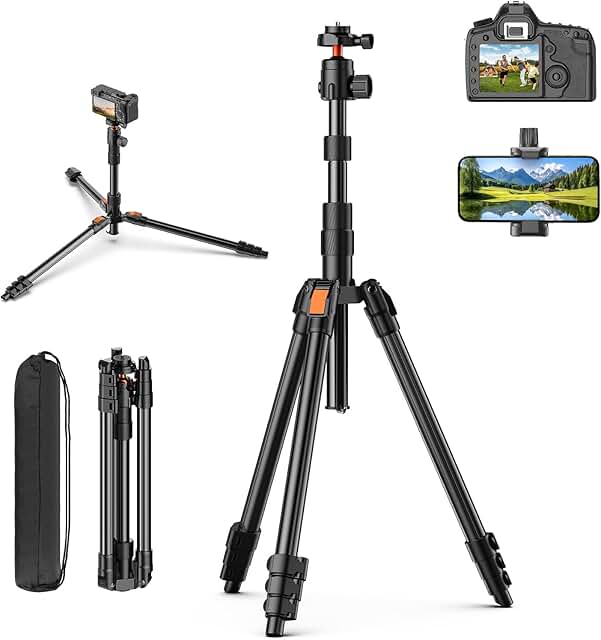
XXZU 71″ Camera Tripod, Tripod For Camera Phone with 360°Ball Head and S…
Amazon£33.99
KINGMAS 3 in 1 Universal Fish Eye Lens + Wide-Angle Lens + Macro Clip Ca…
Amazon£6.99
K&F CONCEPT 58mm Variable ND2- ND400 Filter Neutral Density Filter Slim …
Amazon£23.99Conclusion

Winter landscapes offer a unique blend of beauty, tranquility, and opportunity for stunning photography. Each aspect—from golden hour to moody skies—invites photographers to capture unforgettable moments.
By exploring these fifteen photography gems, you’ll find inspiration to create your winter masterpieces. Remember to embrace the beauty in every scene and let your creativity flow!
Happy shooting!
Note: We aim to provide accurate product links, but some may occasionally expire or become unavailable. If this happens, please search directly on Amazon for the product or a suitable alternative.
This post contains Amazon affiliate links, meaning I may earn a small commission if you purchase through my links, at no extra cost to you.
Frequently Asked Questions
What Makes Winter Landscape Photography Unique?
Winter landscape photography is unique because it captures the transformation of the environment during the cold season. The snow-covered terrain, frozen lakes, and bare trees create a stark yet beautiful contrast that adds depth and intrigue to images. Plus, the golden hour light can make snowy scenes look ethereal, giving photographers a chance to capture stunning visuals that are only available in winter.
How Can I Capture the Perfect Golden Hour in Winter Landscape Photography?
Capturing the perfect golden hour in winter landscape photography involves planning ahead! The golden hour occurs shortly after sunrise and before sunset, so check local sunrise and sunset times. Arrive early to scout locations and set up your gear. The soft, warm light will illuminate the snow, creating a magical glow, so don’t forget to experiment with different angles and compositions to maximize the effect!
What Equipment Should I Use for Winter Landscape Photography?
When heading out for winter landscape photography, you’ll want to bring the right equipment. A DSLR or mirrorless camera is ideal for capturing high-quality images. Don’t forget a sturdy tripod to keep your shots steady in cold conditions. Additionally, use a warm filter to enhance the colors in your photos and keep your camera gear protected with weatherproof cases to guard against snow and moisture!
How Do I Create Depth in My Winter Landscape Photography?
Creating depth in winter landscape photography can be achieved by using foreground elements and leading lines. Incorporate trees, rocks, or snow-covered paths in the foreground to draw the viewer’s eye into the scene. Experiment with different focal lengths and aperture settings to create a blurred background that makes your subject pop, enhancing the overall depth of your photograph!
What Are Some Tips for Shooting in Low Light During Winter?
Shooting in low light during winter can be challenging but rewarding! Use a wide aperture to let in more light, which is crucial for those moody winter skies. Increase your ISO setting to capture more detail in low-light conditions, but be cautious of noise. A tripod is invaluable here to avoid camera shake, especially in longer exposures. Don’t forget to embrace the moody skies—they can add dramatic flair to your images!
- Nikon D3200 Digital SLR Camera with 18-55mm VR Lens Kit – Black (24.2MP) 3 inch LCD
- Extremely compact and easy to use SLR camera with 24.2 megapixel CMOS image sensor and EXPEED 3 image processor for the highest detail resolution and high quality images even in low light.

Leave a Reply