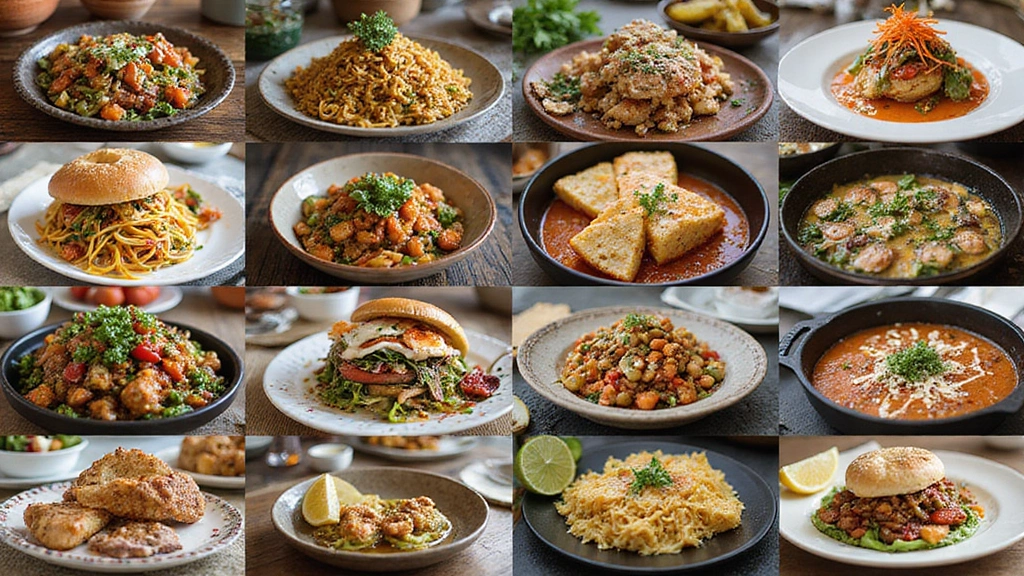

Culinary travel is more than just a meal; it’s an adventure that tantalizes your taste buds and immerses you in local culture.
Whether you’re sipping a rich espresso in an Italian café or savoring street tacos in Mexico City, every bite tells a story. Food tours and destination dining experiences bring together the best of local cuisine and unique culinary traditions, offering you a chance to explore the world one delicious dish at a time.
Let this guide lead you through the scrumptious options available for food enthusiasts. Embrace your inner foodie and prepare to embark on a journey that satisfies your cravings and enriches your palate.
Contents
- 1. Understanding Your Culinary Preferences
- 2. Research Destinations Known for Their Cuisine
- 3. Choosing the Right Type of Culinary Tour
- 4. Emphasizing Local Ingredients and Traditions
- 5. Timing Your Culinary Adventure
- 6. Considering Dietary Restrictions
- 7. Reading Reviews and Seeking Recommendations
- 8. Budgeting for Your Culinary Experience
- 9. Engaging with Local Chefs and Food Artisans
- 10. Incorporating Cultural Experiences Beyond Food
- 11. Documenting Your Culinary Journey
- 12. Connecting with Fellow Foodies
- 13. Flexibility and Openness to New Experiences
- 14. Exploring Culinary Souvenirs to Bring Home
- 15. Planning the Next Culinary Journey
1. Understanding Your Culinary Preferences

Before you jump into planning your culinary travel experience, take a moment to reflect on your tastes.
Do you adore spicy street food or prefer gourmet dining? Are you interested in learning how to cook local dishes or prefer to indulge in tasting menus? Understanding your culinary preferences will guide your decisions as you explore various food tours.
Consider these points:
– Reflect on past travel experiences and the cuisines you enjoyed.
– Make a list of your favorite dishes and ingredients.
– Think about whether you want a relaxed dining experience or an action-packed cooking class.
Your preferences will shape the type of culinary tour that suits you best, so don’t overlook this important step! This process can also help you discover new ingredients and dishes you may not have encountered before, sparking further culinary exploration during your travels.
2. Research Destinations Known for Their Cuisine

Choosing the right destination can enhance your culinary adventure significantly. Some regions are world-renowned for their culinary scenes.
Italy, for example, dazzles with its pasta and pizza, while Japan offers a unique blend of tradition and innovation with sushi and ramen. Research places well-known for their local dishes that match your taste buds.
Famous culinary destinations include:
– Italy for its diverse regional cuisines.
– Thailand for its bold flavors and fresh ingredients.
– Mexico for its vibrant street food culture.
– France for its fine dining and rich culinary history.
Visit food blogs, travel forums, and even cookbooks to get inspired by local specialties. Each destination has its own culinary identity, so finding the perfect match for your palate is essential for a fulfilling travel experience.
3. Choosing the Right Type of Culinary Tour

Culinary tours can range from guided food tastings to hands-on cooking classes, and each type has its unique appeal.
Food tours offer a chance to sample various dishes from local eateries, allowing you to experience the local flavor without overwhelming your palate. Cooking classes, on the other hand, immerse you in the preparation process, connecting you with the culture behind the cuisine.
Types of tours to consider include:
– Walking Food Tours: Explore neighborhoods while tasting local specialties.
– Market Tours: Visit local markets to learn about ingredients before cooking.
– Wine and Dine Experiences: Pair meals with local wines or spirits.
– Private Chef Experiences: Enjoy personalized cooking sessions with local chefs.
When selecting a tour, assess your interest level and how hands-on you want to be with your culinary adventure. Balancing exploration with education can make for a delightful experience.
4. Emphasizing Local Ingredients and Traditions

One of the most rewarding aspects of culinary travel is experiencing local ingredients and traditional cooking methods.
Many tours emphasize farm-to-table experiences or visits to local markets, where you can see the source of the food. This not only enhances your understanding of the cuisine but also creates a deeper connection to the region.
Consider tours that offer:
– Market visits where you can meet local farmers.
– Cooking classes using seasonal ingredients.
– Meals prepared according to traditional recipes passed down through generations.
By focusing on local ingredients, you’ll gain insights into the cultural significance behind certain dishes and even learn tips to recreate them at home, making your travel experience truly enriching.
5. Timing Your Culinary Adventure

The timing of your culinary travel can greatly influence the availability of local dishes and overall experience.
Seasons dictate what’s fresh and ripe, from juicy summer tomatoes to hearty winter stews. Additionally, local festivals often celebrate specific foods or traditions, offering an authentic taste of regional culture.
Plan your travel around:
– Local food festivals showcasing seasonal specialties.
– Harvest seasons for fresh ingredients.
– Festivals or events that highlight regional culinary traditions.
By aligning your travels with the local calendar, you can take full advantage of what the area has to offer, ensuring every meal is unforgettable.
6. Considering Dietary Restrictions

When you’re on a culinary adventure, it’s crucial to think about any dietary restrictions or preferences you may have.
Many culinary tours are accommodating, but it’s always best to inquire beforehand to ensure your experience is enjoyable. Whether you’re vegetarian, vegan, gluten-free, or have other specific needs, there are tours that cater to various diets.
When booking, keep these points in mind:
– Communicate your dietary restrictions when making reservations.
– Look for tours that specialize in or can adapt to dietary needs.
– Research local cuisine to identify options that fit your needs.
Making your dietary preferences known will help ensure you’ll enjoy the rich flavors without any surprises.
7. Reading Reviews and Seeking Recommendations

Before finalizing your culinary travel experience, take some time to read reviews and seek recommendations.
Websites that specialize in travel reviews, like TripAdvisor or Yelp, provide firsthand accounts from travelers who’ve participated in specific culinary tours. These insights can help you gauge what to expect and navigate potential missteps.
Things to look for in reviews:
– Authenticity of the experience.
– Knowledge and friendliness of the guides.
– Quality of the food and dining settings.
Personal recommendations from friends or fellow travelers can also provide valuable insights. Don’t hesitate to ask around, as word-of-mouth can lead to hidden culinary gems.
8. Budgeting for Your Culinary Experience

Culinary travel experiences can range from budget-friendly street food tours to luxurious destination dining.
Knowing your budget beforehand helps narrow down your options and ensures you can enjoy the experience without financial stress. Factor in not just the cost of the tour, but also meals, transportation, and any workshops or classes you may want to attend.
for budgeting:
– Set a realistic budget considering your culinary interests.
– Research costs of tours and meals in advance.
– Be open to street food for a fun, affordable option.
Finding a balance that suits your wallet can lead to delightful culinary encounters without breaking the bank.
9. Engaging with Local Chefs and Food Artisans

One of the most enriching aspects of culinary travel is connecting with local chefs and food artisans.
Many tours offer unique opportunities to learn from the best in the industry, whether through cooking classes or intimate dining experiences. Engaging with chefs not only enhances your cooking skills but also provides insights into local customs and culinary philosophy.
Look for experiences that include:
– Cooking classes hosted by local chefs.
– Dinner parties in a local chef’s home.
– Artisan workshops for cheese-making or chocolate crafting.
These connections can deepen your appreciation for the cuisine and allow you to take home not just recipes, but also stories.
10. Incorporating Cultural Experiences Beyond Food

While food is the star of culinary travel, don’t forget to embrace the surrounding culture.
Participating in local traditions, visiting historical landmarks, and enjoying live performances can enrich your culinary journey. Many tours incorporate these cultural elements, making your experience more holistic.
To maximize your trip:
– Attend cultural festivals that celebrate local customs and flavors.
– Take part in community events that highlight food stories.
– Explore local art and music that reflect the region’s heritage.
Integrating these experiences will deepen your understanding of the culinary culture and create lasting memories.
11. Documenting Your Culinary Journey

During your culinary adventure, take the time to document your experiences. Not only does this allow you to savor the memories later, but it also enhances your appreciation of the journey.
Consider these methods:
– Keeping a travel journal where you note down dishes you loved and recipes to recreate at home.
– Taking photos of meals, markets, and cooking sessions to capture the essence of the experience.
– Sharing your culinary adventure on social media to inspire others.
These records will serve as a delightful reminder of your journey and can become a source of inspiration for future travels.
12. Connecting with Fellow Foodies

Culinary travel is also about the connections you make along the way. Engaging with fellow food enthusiasts can enhance your experience, offering different perspectives.
Consider opportunities to interact with other travelers or locals:
– Join group culinary tours to meet like-minded foodies.
– Participate in local cooking classes for shared experiences.
– Attend food festivals where you can mingle with others.
These connections can lead to lasting friendships and exchanges of culinary secrets, enriching your journey beyond just the food.
13. Flexibility and Openness to New Experiences

Being flexible and open-minded is essential for a successful culinary travel experience.
You might encounter unexpected dishes or unfamiliar cooking techniques, and embracing these surprises can lead to delightful discoveries. Sometimes the best experiences come from spontaneity, so allow yourself to step out of your comfort zone.
Here are ways to cultivate flexibility:
– Be willing to try dishes outside your usual preferences.
– Open yourself to local customs and dining etiquette.
– Embrace detours that may lead to hidden culinary gems.
Your culinary journey will be richer for the adventures you embrace along the way.
14. Exploring Culinary Souvenirs to Bring Home

As your culinary adventure comes to a close, consider the souvenirs that you can bring home to remember your experience.
Food items like spices, sauces, or cookbooks can help you recreate your favorite dishes long after your journey ends. Not every souvenir has to be physical; sometimes, it’s about the recipes or cooking techniques you learn along the way.
Recommended culinary souvenirs include:
– Local spices or sauces that capture the essence of the region.
– Recipe books featuring traditional dishes.
– Kitchen gadgets that remind you of your culinary journey.
These souvenirs will allow you to savor your travels and share your experiences with family and friends.
15. Planning the Next Culinary Journey

Your culinary travel experience doesn’t have to end with one trip. The world is full of flavors waiting to be explored, and every culinary adventure opens the door to new possibilities.
As you wrap up your current journey, start brainstorming ideas for your next destination. Consider:
– Countries or regions you’ve always wanted to visit for their food.
– Dishes you wish to learn how to make.
– Culinary festivals to experience in the future.
Keep a running list of culinary destinations and experiences that excite you. Who knows? Your next gastronomic adventure could be just around the corner!
Conclusion

Culinary travel experiences are a feast for the senses, combining flavors, cultures, and unforgettable memories.
By understanding your preferences, researching destinations, and embracing opportunities for learning, you are sure to curate an incredible journey tailored to your palate.
So, roll up your sleeves and get ready for an appetizing adventure that will not only satisfy your taste buds but also create lasting connections and memories.
Leave a Reply