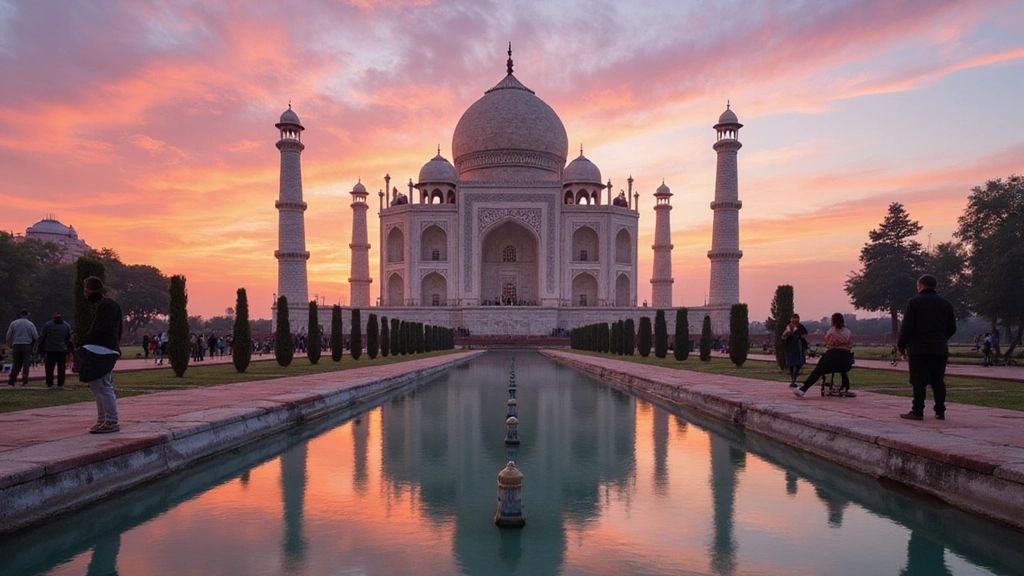

The Taj Mahal, a shimmering symbol of love and architectural brilliance, beckons travelers from all corners of the globe to Agra, India.
It’s more than just a photo opportunity; it’s a chance to capture memories that will last a lifetime.
In this guide, discover essential photography tips and tricks that will elevate your Taj Mahal photos from standard to spectacular.
Whether you’re a seasoned photographer or just starting out, these pro tips will help you frame your shots perfectly, harness the magical light, and create stunning compositions that tell the story of this iconic monument.
Contents
- 1. The Magic of Early Mornings
- 2. Explore Different Angles
- 3. Timing Your Visit with Seasons
- 4. Master Your Camera Settings
- 5. Play with Composition
- 6. Capture Authentic Moments
- 7. Utilize Various Lenses
- 8. Experiment with Post-Processing
- 9. Don’t Forget the Details
- 10. Create a Themed Photo Series
- 11. Use Natural Framing
- 12. Engage with Locals
- 13. Consider Weather Conditions
- 14. Join Photography Workshops
- 15. Share Your Journey
1. The Magic of Early Mornings

Waking up early might not sound appealing, but trust me, it’s worth it for stunning Taj Mahal photos.
The dawn light casts a soft glow on the marble, highlighting the intricate designs that define this majestic structure.
Plus, the early hours mean fewer crowds, allowing you to capture the beauty of the Taj without distractions.
Here are some tips to make the most of your early morning shoot:
– Golden Hour: Arrive just before sunrise to catch the warm tones.
– Long Exposure: Bring a tripod to capture silky reflections in the water.
– Silhouettes: Play with shadows and shapes for a unique perspective.
When the sun rises, it’s like a painter has splashed colors across the sky, setting the perfect backdrop for your photos.
2. Explore Different Angles

The Taj Mahal is a masterpiece that reveals new facets from every angle.
Venture beyond the classic front-on shot to find unique perspectives that make your photos stand out.
Here’s how:
– Get Low: Capture the Taj from ground level to emphasize its grandeur.
– Frame It: Use nearby trees or arches in your frame to create depth.
– Reflections: Don’t miss the chance to take reflections in the water—these shots can be breathtaking!
Experimenting with angles not only enhances your creativity but can also lead to some unexpected and stunning compositions.
3. Timing Your Visit with Seasons

The beauty of the Taj Mahal changes with the seasons, and each time offers different photographic opportunities.
Visiting during the right season can dramatically affect the mood and color palette of your photos.
Here’s what to consider:
– Winter (November to February): The foggy mornings create a mystical aura.
– Spring (March to May): Blooming flowers in the gardens enhance your shots.
– Monsoon (June to September): The rain can create dramatic clouds and reflections.
– Autumn (October): Crisp air and clear skies provide stunning visibility.
Understanding seasonal changes allows you to plan your shots for the best atmospheric effects.
4. Master Your Camera Settings

To truly capture the beauty of the Taj Mahal, understanding your camera settings is key.
Whether you’re using a smartphone or a DSLR, knowing how to adjust your settings can lead to remarkable shots.
Consider the following:
– ISO: Keep it low (100-200) during daylight to avoid noise.
– Aperture: A wider aperture (f/2.8 – f/4) can create beautiful bokeh while focusing on details.
– Shutter Speed: For long exposure shots (especially during sunset), use a slower shutter speed with a tripod.
Practice adjusting these settings before your visit, so you’re prepared to capture the perfect moment when you arrive.
5. Play with Composition

Composition is the backbone of great photography, and the Taj Mahal offers a wealth of opportunities.
Applying the rule of thirds or leading lines can turn a simple shot into a work of art.
Here are some composition tips:
– Rule of Thirds: Position the Taj off-center for a more dynamic shot.
– Leading Lines: Use pathways or the reflecting pool to lead the viewer’s eye to the monument.
– Framing: Use natural elements to frame your shot and draw attention.
By experimenting with composition, you can convey emotions and tell stories through your photographs.
6. Capture Authentic Moments

While the Taj Mahal is a stunning monument, don’t forget to capture the moments of joy around you.
Photographing people interacting with the site adds a personal touch to your collection. Here’s how:
– Candid Shots: Wait for moments when visitors appreciate the Taj, like gasps of awe or laughter.
– Group Shots: Capture families or friends posing to create a sense of connection.
– Local Culture: Include local vendors or musicians to showcase the vibrant atmosphere.
These authentic moments tell a richer story of the Taj Mahal experience, making your photos more engaging.
7. Utilize Various Lenses

If you’re using a camera with interchangeable lenses, leverage the unique perspective each lens offers.
Wide-angle lenses can capture the grandeur of the entire structure, while macro lenses can bring out the intricate details.
Here’s how to use different lenses effectively:
– Wide-Angle: Perfect for capturing the full scale of the Taj and its impressive surroundings.
– Telephoto: Isolate specific details and patterns in the architecture.
– Macro: Focus on the stunning marble inlays and carvings.
Utilizing various lenses allows you to explore the Taj Mahal from multiple perspectives, enhancing your photography portfolio.
8. Experiment with Post-Processing

Post-processing is where the magic happens after you’ve taken your photos.
Editing can enhance colors, correct lighting, and even add artistic effects that make your Taj Mahal photos pop.
Some basic editing tips:
– Contrast and Brightness: Adjust these to make your photos more vibrant.
– Color Correction: Fix any color hues for a more accurate representation of the scene.
– Filters: Use them sparingly to maintain authenticity, but they can add a dreamy touch.
Remember, editing should enhance your original photo, not overhaul it completely!
9. Don’t Forget the Details

The Taj Mahal is famous for its stunning architecture, but it’s the details that truly tell the story.
Close-ups of carvings, floral patterns, or the intricate inlay work can add depth to your photography collection. Here’s how to focus on these elements:
– Textures: Capture the textures of the marble and stone to show the craftsmanship.
– Patterns: Look for symmetry and patterns in the architecture.
– Reflections: Use reflections in the water for a unique perspective on detailed shots.
By prioritizing details, your photos will reflect the artistry and effort that went into the Taj Mahal’s construction.
10. Create a Themed Photo Series

Instead of just capturing random shots, think about creating a themed photo series that tells a story about your experience at the Taj Mahal.
Here are some themes to consider:
– Time of Day: Capture morning, noon, and evening shots to showcase the changing light.
– Visitor Interactions: Document how different people engage with the monument.
– Seasons: Take photos throughout the year to display the evolving beauty of the Taj.
A themed series can provide a narrative that draws viewers in and gives them a more immersive experience of your journey.
11. Use Natural Framing

Natural framing is an artistic approach to photography that emphasizes your subject while adding context.
Use elements in your surroundings to frame the Taj Mahal, drawing the viewer’s eye directly to it.
Here’s how to implement natural framing effectively:
– Trees and Bushes: Use foliage to create a green frame around the monument.
– Arches and Doorways: Position the Taj within an archway for a unique perspective.
– Water Features: Frame the iconic dome with the reflecting pool in the foreground.
This technique adds an additional layer of interest to your photos while highlighting the beauty of the Taj Mahal.
12. Engage with Locals

The people around the Taj Mahal are just as much a part of the experience as the monument itself.
Engaging with locals can enrich your photography and provide cultural insights that enhance your understanding of the site.
Consider these approaches:
– Ask for Stories: Locals can share fascinating tales about the Taj and its significance.
– Capture Interactions: Photograph locals in their daily activities near the monument.
– Learn Traditional Techniques: Find local artisans and document their craftsmanship.
These interactions will not only deepen your travel experience but also give your gallery a personal touch.
13. Consider Weather Conditions

Weather plays a significant role in photography, and the Taj Mahal looks different depending on the conditions.
Embrace whatever weather you encounter, as it can create unique moods in your photos.
Here’s how to adapt:
– Sunny Days: Look for shadows to add depth, but avoid harsh midday sun.
– Cloudy Days: Perfect for a soft, diffused light that is ideal for capturing details.
– Rainy Weather: Capture droplets on the ground and reflections for a dramatic effect.
Being adaptable to weather conditions can lead to unforeseen creative opportunities.
14. Join Photography Workshops

If you’re serious about improving your skills, consider joining a photography workshop focused on the Taj Mahal.
These workshops often provide expert guidance and insider knowledge about the best spots to capture the monument.
Look for workshops that offer:
– Hands-on Training: Learn practical techniques from experienced photographers.
– Group Excursions: Explore less-traveled paths around the Taj for unique perspectives.
– Feedback Sessions: Receive critiques on your work to enhance your photography skills.
Participating in a workshop is a fantastic way to connect with others while honing your craft.
15. Share Your Journey

After capturing breathtaking Taj Mahal photos, don’t keep them to yourself! Sharing your journey can inspire others to visit and appreciate this cultural treasure.
Consider these platforms to showcase your work:
– Social Media: Instagram and Pinterest are perfect for sharing visual stories.
– Photography Blogs: Start a blog to document your travel experiences and photo tips.
– Exhibitions: If you’re feeling bold, consider organizing a local exhibition of your work.
Sharing your photography not only fuels your passion but also connects you with like-minded individuals who share your love for travel and art.
Conclusion: Capture Your Own Taj Mahal Story

The Taj Mahal is more than just a picturesque monument; it’s a tapestry of stories waiting to be captured through your lens.
With these tips, you’re well-equipped to create memorable photographs that reflect both the beauty of the monument and your unique perspective.
So grab your camera, embrace the moment, and let the Taj Mahal inspire your next photographic adventure!
Leave a Reply