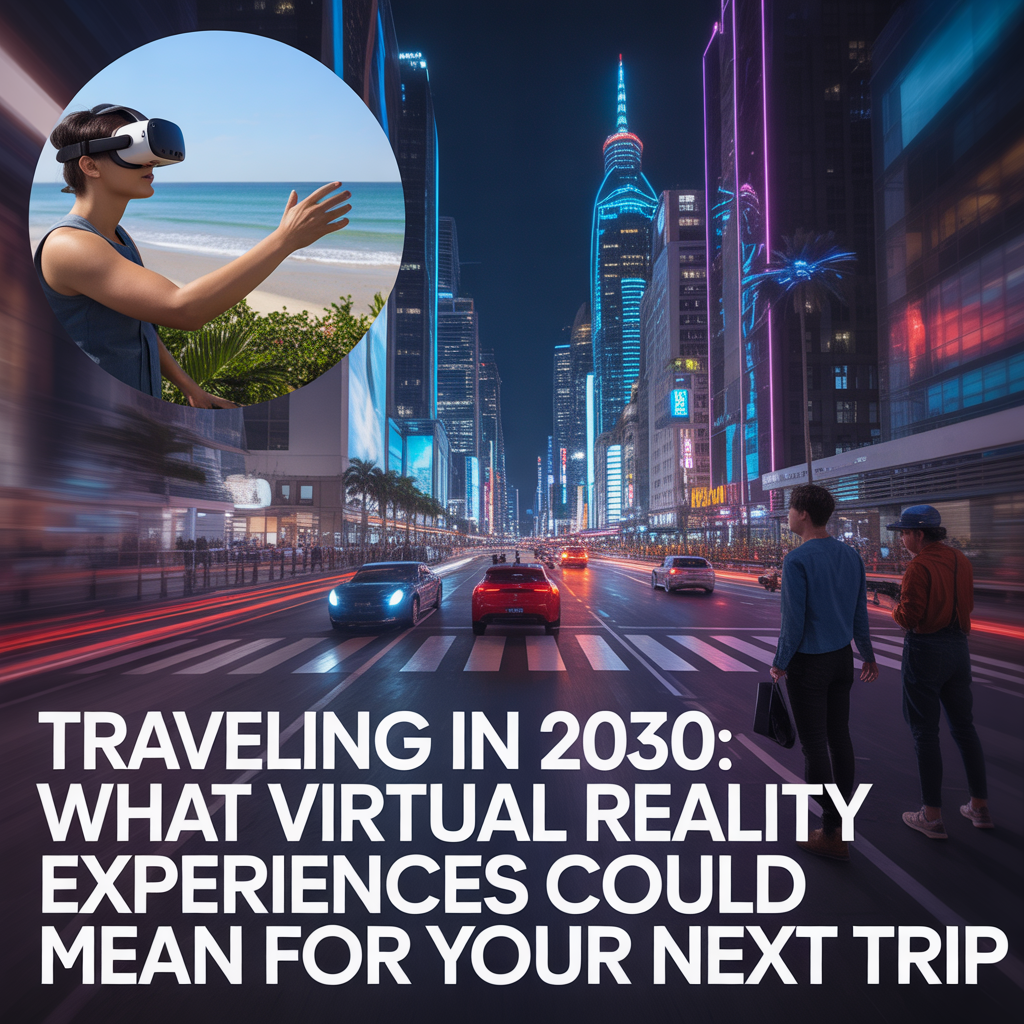

Traveling in 2030: What Virtual Reality Experiences Could Mean for Your Next Trip
Have you ever wished you could visit Paris for breakfast, explore the Great Wall after lunch, and finish the day with a sunset on Mars? Well, the idea might sound wild, but by 2030, virtual reality (VR) might make this not only possible, but totally normal for travelers. Buckle up, because the way we plan, enjoy, and remember our trips is about to change a lot.Future of travel
What Does Virtual Reality Travel Look Like?
VR travel isn’t just about strapping a headset on and waving your hands around. Imagine putting on lightweight glasses and suddenly walking the cobbled streets of Rome. You hear scooters zoom by. You smell fresh espresso. You almost feel the breeze from the Tiber River. You can even wave at a digital street artist sketching the Colosseum. This isn’t just a slideshow of photos. It’s a full-on experience, and it’s as close to real as you can get without needing to pack a suitcase.
Picture this: you’re considering a trip to Tokyo, but you aren’t sure if the bustling city is your style. In 2030, you might “visit” Shibuya Crossing in VR first. Watch the crowds, listen to the city sounds, and see if it feels right. Have you ever made a big decision without checking out the options first? With VR, you don’t have to.
Planning Your Trip: Try Before You Buy
Picking a place to stay can be stressful. What if the hotel room looks nothing like the photos? VR solves this. Instead of scrolling through endless reviews, you can step inside the room, check out the view, and even walk to the pool. Are you picky about pillow fluffiness or bathroom tiles? You can see it all ahead of time. Some travel companies are working on VR previews for trains, cruise cabins, and even rental cars. No more surprises when you open the door!
Even booking excursions will feel different. Want to try ziplining in Costa Rica? See the whole route in VR first. Nervous about scuba diving? Practice underwater without even getting wet. It’s like a rehearsal for your vacation. Who wouldn’t want a sneak peek?
VR Experiences at Your Destination
Now, here’s where things get really interesting. By 2030, your VR headset could be your best travel buddy. Climbing the Eiffel Tower, but crowds are blocking the view? Put on your glasses, and see the city as it looked a hundred years ago. Walking through ancient ruins? Switch to “historical mode” and watch the buildings come to life. You might even chat with a virtual Roman or a pharaoh, if you’re feeling brave.
Some hotels are already testing VR “windows” that show panoramic views of anywhere in the world. Want to wake up in Bali, even if you’re in Boston? Press a button, and you’re there. It’s not quite teleportation, but it’s close. Would you swap your boring hotel wallpaper for a rainforest or a starry desert sky? It’s definitely tempting.
Travel for Everyone: No Limits
VR isn’t just about making things fun. It’s about making travel possible for people who can’t always go. Health issues, budgets, or other challenges can keep people at home. With VR, you can hike the Inca Trail or stroll through the streets of Marrakesh, all from your couch. Even classrooms are getting in on the action. Imagine learning about volcanoes while standing in front of one—or at least, feeling like you are!
Family trips could change, too. Maybe grandma can’t handle long flights anymore. With VR, she can join the family for a day at the beach or a tour of castles in Ireland. No passports, no jet lag, just memories.
Mixing Real and Virtual: The Best of Both Worlds
Of course, some people love the thrill of real travel—the smells, the food, the lost luggage (okay, maybe not that part). VR isn’t here to replace real trips, but it can add a new layer. Traveling in 2030 might mean blending the two. Spend the morning actually hiking in Switzerland, then use VR that night to see what the Alps looked like in the Ice Age. Or, if the weather turns ugly, just slip on your headset and finish your vacation indoors.
Ever wanted a personal tour guide who never gets tired or lost? VR can do that. You might even pick your guide’s personality—do you want a history buff, a comedian, or someone who speaks five languages? The options are endless.
Souvenirs and Memories: Next-Level Keepsakes
Remember the days when you brought home a snow globe or a tacky T-shirt? Traveling in 2030 could mean bringing back something way cooler. VR lets you record your trip in 3D. Later, you can relive your favorite moments, walk through your adventures, and even share them with friends who weren’t there. Imagine showing your family the exact moment you tried gelato in Florence—complete with your laughter and the sound of the street musicians nearby.
Would you revisit your favorite vacation memories if it felt like you were really there again? Most people would say yes! It’s a whole new way to keep travel alive long after the trip ends.
Challenges and Surprises
Not everything about VR travel is perfect. Tech glitches can happen. Headsets might get sweaty. Some people say VR can never beat the real thing. They have a point—after all, you can’t taste real pizza in VR (yet). But every year, the tech gets better. By 2030, who knows what surprises are in store?
Do you think you’d use VR to help plan a trip, or would you rather keep things old school? Either way, the future of travel promises more choices than ever. Whether you’re a globe-trotter or an armchair explorer, VR could make your adventures bigger, bolder, and a lot more fun.
Leave a Reply