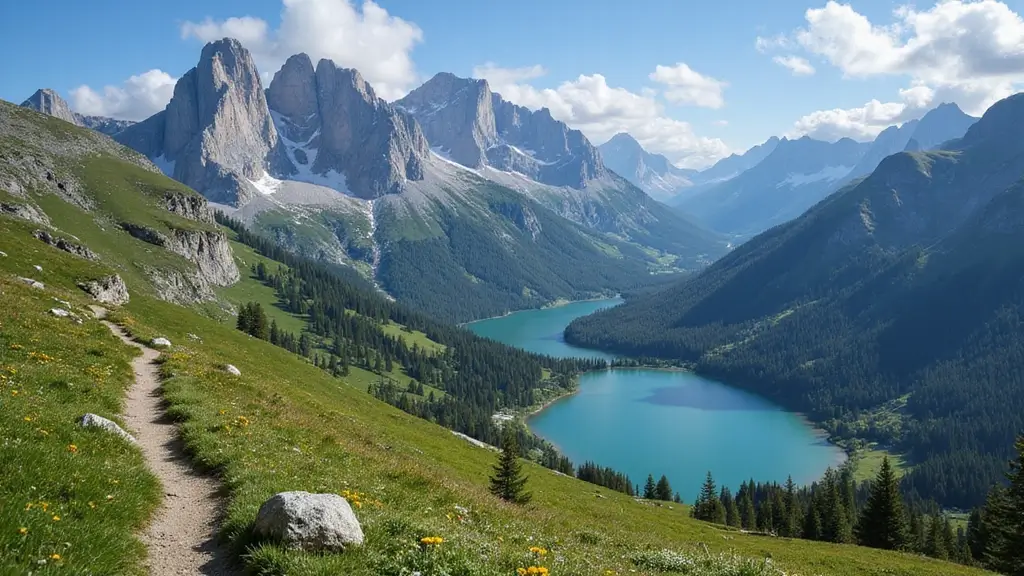

I put this together because I want you to feel the pull of Europe’s hiking trails without the guesswork. I want you to step outside and let the wind on your face tell you what lies ahead. These routes are real—quiet pine forests, rugged coastlines, and high passes that stay with you long after you return home.
If you love nature, big views, and planning trips around trails in Europe, this is for you. Whether you’re a weekend hiker, a family hitting easy paths, or a photographer chasing light on a ridge, you’ll find something that fits your pace and your camera.
Here you’ll get ten breathtaking hiking trails in Europe, with notes on what makes each one special, how hard it is, the best season to visit, and practical tips on gear and timing. And yes, Number 5 will leave you speechless.
This guide gives you concrete steps to plan your next adventure. Use it to pick a trail that matches your pace, map out a trip, and pack the right things. Think a waterproof jacket, solid boots, water, and snacks. Watch for crowds and plan an early start so you beat the heat or the rain.
From the Alps and Dolomites to Scottish highlands and the fjords of Norway, these trails cover a lot of Europe. You’ll hear streams, feel cool air on your face, and smell pine and damp earth. You’ll see blue lakes, jagged rocks, and long ridges where a single view can change how you see the day.
Grab a map, pick a season, and let the trail teach you something new about Europe—and about yourself. This introduction is only the start—the rest of the post takes you through each trail with tips you can use this season. Ready to plan your next step outdoors?
Contents
- 1. The Dolomites, Italy
- 2. The West Highland Way, Scotland
- 3. The Camino de Santiago, Spain
- 4. The Laugavegur Trail, Iceland
- 5. The Aletsch Glacier, Switzerland
- 6. The Tour du Mont Blanc, France, Italy, and Switzerland
- 7. The Cinque Terre Coastal Trail, Italy
- 8. The Picos de Europa, Spain
- 9. The Julian Alps, Slovenia
- 10. The GR20, Corsica, France
1. The Dolomites, Italy

You want big views and clear trails. The Dolomites in Italy give you both. Rugged peaks rise over bright meadows. In summer the meadows glow with wildflowers. This UNESCO site has trails for every walker. You can take easy strolls or push yourself on tougher routes.
The Tre Cime di Lavaredo loop is a crowd favorite. A wide path winds around three famous towers. You’ll hear distant echoes of chattering marmots and feel a sharp, clean breeze. The views drop away to pale rock and blue sky. It’s the kind of sight that makes you pause and smile.
Highlights:
– Marvel at the Croda dei Toni cliffs, sheer and dramatic.
– Stop at mountain huts for warm soup, cheese, and fresh bread.
– See rare wildflowers and shy wildlife along the path.
What you pack and how you hike matters. Wear sturdy boots and bring a lightweight rain shell. Carry water, sunscreen, and a small first-aid kit. Start early to beat the crowds and catch softer light for photos. A compact camera or phone with extra battery helps—the sunsets here are vivid.
With the right plan, you’ll enjoy crisp air, clear trails, and memories that stick. The Dolomites aren’t just scenery; they’re a steady test and a big reward.
2. The West Highland Way, Scotland

You want a hiking route that feels grand but stays doable. The West Highland Way fits. It runs 96 miles from Milngavie near Glasgow to Fort William, at the base of Ben Nevis, the highest peak in Britain. It is one of Scotland’s most iconic hiking trails. You move through calm lochs, rolling hills, and wide, wild skies. You’ll sense history in the land and hear wind in the pines.
What to Prepare:
– Be ready for changing weather—bring layers and waterproof gear.
– Each stretch has its own feel; slow down and really notice it.
– Try a local pub to taste simple Scottish dishes after a long day.
As you walk, you may spot deer below and golden eagles overhead. The trail isn’t flat, but the payoff is clear: big views, clean air, and a sense of space you don’t get in cities. Plan for several shorter days if you’re new to long walks. Pack light but smart, and carry a map or GPS so you stay on track. Remember, the magic comes from the quiet moments between milestones—the loch, a stone bridge, and a friendly village tea room.
3. The Camino de Santiago, Spain

You want a hike that feeds your soul and your feet. The Camino de Santiago in northern Spain gives history, scenery, and a chance to learn about yourself. The best known route, Camino Francés, runs about 780 kilometers from the French border to Santiago de Compostela. You walk through sun-washed fields, quiet forests, and old stone lanes. Each day you meet hints of past travelers in the stones and in the simple routines of the villages. The road invites patience, steady steps, and small moments of wonder.
Key Experiences:
– Meet fellow hikers and share meals in simple albergues and friendly inns.
– Explore charming villages that dot the trail, each with its own character.
– Feel a growing sense of community as you walk, day after day.
Whether you walk for faith, curiosity, or the love of Spain’s countryside, the route leaves a lasting mark. Tips to get the most from it: plan shorter days at first, pack light, and carry a small rain jacket. Grab a credencial (pilgrim passport) to stay in albergues and collect stamps along the way. Talk to locals, pause for coffee, and let the landscape guide your pace. Seasonal crowds can be busy in spring and fall, so plan ahead.
4. The Laugavegur Trail, Iceland

You want a trail that truly shows Iceland’s wild side. The Laugavegur Trail is that path. It runs about 55 kilometers across lava fields, colorful rhyolite mountains, steaming vents, and glacial rivers. You’ll travel over four days, carrying light gear while huts and campsites greet you at every leg.
Must-See Locations:
– Landmannalaugar, the starting point, where rainbow rocks rise above hot springs and open skies.
– Þórsmörk Valley, a glacially carved field flanked by green meadows and high cliffs.
– Natural hot springs along the route, inviting you to soak after a long day.
Season and safety matter here. Most of the trail is best in summer, when days are long and huts are open. Even then, mountain weather stays chilly, so pack warm layers and a waterproof layer.
Practical tips
– Start early each day to beat wind and crowds.
– Book huts well in advance; carry a lightweight sleeping bag for shoulder seasons.
– Pack a waterproof shell, sturdy boots, a headlamp, a map, and high-energy snacks.
– Bring a small stove for hot drinks.
The Laugavegur Trail is a 55-kilometer journey through Iceland’s wild beauty – where every step unveils colorful mountains, steaming vents, and glacial rivers. Embrace the adventure of hiking in Europe and let nature leave you speechless!
5. The Aletsch Glacier, Switzerland

You’re after a big glacier view without a tough climb. The Aletsch Glacier is the largest in the Alps and a UNESCO World Heritage site. The trail here is easy to moderate and opens wide views of blue ice and high peaks. You’ll feel the scale of nature without overdoing it.
Trail Highlights:
– See bright blue ice contrast with rugged mountains.
– Pass small Swiss villages where locals share culture and charm.
– Stop at viewpoints that overlook the glacier for photos you’ll treasure.
The scenery changes as the day goes on, from bright ice to shaded slopes. It’s calm, but the weather can shift fast, so plan accordingly.
How to plan: Best time is late spring to early fall when paths stay clear. Allow 2 to 4 hours for a relaxed stroll, longer if you linger at the viewpoints. Start points include Bettmeralp or Riederalp, with gondola rides up to the ridge. From there, easy paths lead to Bettmerhorn and Eggishorn outlooks.
What to bring: sturdy shoes, a windproof layer, sunscreen, water, and a snack. Dress in layers; mornings are chilly, afternoons can warm fast.
Tips for safety and respect: stay on marked trails, pack out your trash, and head back before weather shifts.
You might also like

The Ultimate Guide to Planning Your Dream Dolomites Itinerary for Alta Via 1 – Travel vibes

Essential Packing Tips for Your Tour du Mont Blanc Journey: What to Bring for Hiking Success – Travel vibes
6. The Tour du Mont Blanc, France, Italy, and Switzerland

You’re looking for a trail that offers epic scenery and variety. The Tour du Mont Blanc fits that need. It circles the Mont Blanc massif and crosses three countries: France, Italy, and Switzerland. The route covers about 170 kilometers. The terrain shifts from green valleys to snow-bright passes. You get long, rewarding days and big, open skies. This trek blends challenge with beauty, keeping you focused from start to finish.
Highlights of the Trail:
– Diverse landscapes from green valleys to high passes.
– Rich cultures and foods of France, Italy, and Switzerland.
– Stunning peaks and endless photo moments.
Most hikers plan for 9 to 12 days on the circuit. You’ll stay in alpine huts, refuges, or small inns along the way. Start in late spring or early summer for better weather, but expect rain and chilly winds on higher routes. Pack light but complete: a waterproof shell, sturdy boots, a warm layer, and a compact sleeping bag if you sleep in refuges. Keep a steady pace, with easier days after tough climbs.
Practical tips: book huts early in peak months. Learn a few phrases in French or Italian to chat with locals. Carry a map and offline GPS. Move at your own pace to stay safe. A 40-liter day pack fits most hikers well.
Embark on the Tour du Mont Blanc! Covering 170 kilometers across France, Italy, and Switzerland, experience breathtaking landscapes that shift from lush valleys to snowy peaks. This hike is a true journey of beauty and challenge.
6. The Tour du Mont Blanc, France, Italy, and S…
Editor’s Choice

MalloMe Sleeping Bags for Adults & Kids Sleeping Bag 3-4 Season – Ultral…
 Amazon£24.63
7. The Cinque Terre Coastal Trail, Italy

Looking for a hike that blends sea views, charming towns, and easy walking? The Cinque Terre Coastal Trail fits. The Cinque Terre is five villages perched on the Ligurian coast. The coastal trail links them and runs along clifftops above the Mediterranean. The scenery mixes bright houses, terraced vineyards, and deep blue water. You’ll smell the sea and feel the sun on your shoulders.
What to Expect:
– Walk along narrow paths that rise and fall with the coast, giving you dramatic headland views.
– Stop in each village to eat fresh seafood, sip gelato, and wander tiny lanes.
– The trail is relatively easy and family-friendly, so it works for beginners and kids.
This hike offers a simple recipe for a great day: nature, culture, and food. You can do a short stretch in a few hours or cover longer legs by staying in different villages. Start in Monterosso or Vernazza and move north or south at your pace. Go in spring or fall for milder weather. Pack water, a hat, sunscreen, and good shoes. Check local maps for any closures and hike safely.
8. The Picos de Europa, Spain

You want dramatic scenery without crowded paths. The Picos de Europa in northern Spain gives you bold peaks, deep gorges, and fresh air. You’ll feel the cool breeze. You’ll hear the river and see green meadows under blue skies. The trails stay quieter than many spots in Europe, so you can connect with nature.
Best Trails:
– The Cares Trail: sweeping gorge views, sheer cliff walls, and the river far below.
– The Ruta del Cares: a classic high‑valley route on a narrow cliff path. It’s exciting and memorable.
– Wildlife routes: forest trails where you can spot chamois, eagles, and marmots without the crowds.
Whether you’re an experienced hiker or a first timer, you’ll find space to breathe and sights that stay with you. Plan your visit in late spring or early autumn when the weather is mild, for best light. Pack sturdy shoes, a light rain jacket, water, snacks, and a simple map or offline GPS. Start early to beat crowds and enjoy the limestone towers and valley below.
If you go with a friend, share the route and your timing.
In the Picos de Europa, every trail is a whisper of nature’s beauty. Escape the crowds and immerse yourself in dramatic peaks and serene meadows—hiking in Europe has never felt so alive!
You Might Also Like

13 Underrated Spanish Towns That Will Take Your Breath Away (Wait Until You See #9!) – Travel vibes

15 Quaint Italian Towns You Must Explore (Before They Get Crowded!) – Travel vibes
9. The Julian Alps, Slovenia

You want hikes that fit your pace and still give you big, real views. The Julian Alps deliver. In Triglav National Park, trails range from easy lake walks to the climb up Mount Triglav, Slovenia’s highest peak.
Plan the day that fits you:
– Lake Bled loop (easy): a gentle circuit around clear blue waters, with forest shade and birdsong.
– Lake Bohinj to Savica Waterfall (moderate): longer and more varied, with pine scents and a rushing river.
– Pokljuka plateau trails (easy to moderate): wide, smooth paths, wildflowers in bloom, fresh air.
– Mount Triglav ascent (difficult): the peak crown. Exposed steps and rocky bits make this a real challenge. Start early, pace yourself, and know your way down.
Trail Tips:
– Stop by local farms for authentic Slovenian cuisine.
– Bring a camera to catch the vivid blues of the lakes and the greens of the valleys.
– Trails are well marked, but check the weather and carry a map.
This region rewards nature lovers who want quiet mountain moments plus a true sense of achievement. You’ll finish with a calm mind and a memory-filled view that stays with you.
9. The Julian Alps, Slovenia
Editor’s Choice

Outdoor Water Filter, Portable Hand Pump Water Filter with Carbon 0.01 M…
Amazon£20.8910. The GR20, Corsica, France

Craving a real test on foot? The GR20 in Corsica is one of Europe’s toughest hikes. It runs about 180 kilometers through rugged terrain, jagged rocks, and high passes. You’ll feel wind on your face, sun on the stones, and weather that can change fast.
Key Features:
– Breathtaking views over mountains and dramatic rock formations that shift with every ascent.
– Mountain huts where you can rest and swap stories with other hikers who share your pace.
– Prepare for steep climbs and hard descents—this hike pushes you, but it pays back with unforgettable memories.
If you want true adventure, the GR20 tests your limits and rewards you with stories to tell for years. Here are practical tips to start:
– Pack light, but bring sturdy boots and quick-dry socks.
– Pace yourself; a slower pace today means a safer one tomorrow.
– Check the weather and use huts when storms roll in.
– Carry a small first-aid kit and blister care supplies.
Most hikers split the GR20 into stages. A common plan is 8 to 12 days with huts along the way. Book huts early, especially in peak season. Carry a simple map and a compass as backup.
With the right gear and planning, you can finish the route in segments and truly savor Corsica’s wild beauty. This trail is hard on feet but generous with memory.
For those craving adventure, the GR20 in Corsica offers 180 kilometers of exhilarating challenges and breathtaking views. Embrace the journey, and let the mountains tell your story!
10. The GR20, Corsica, France
Editor’s Choice

Hiking Boots Mens Womens Waterproof Walking Shoes Trainers Outdoor Light…
Amazon£30.99
Merino Wool Hiking Socks for Men & Women, Thick Cushioned Walking Socks,…
Amazon£14.44
General Medi Mini First Aid Kit, 92 Pieces Small First Aid Kit – Include…
Amazon£8.03Conclusion

Hiking in Europe offers a unique blend of breathtaking scenery, diverse cultures, and unforgettable experiences. Whether you’re seeking a leisurely stroll or an adrenaline-pumping adventure, these trails cater to every type of hiker. Each route tells a story of its own, inviting you to witness the beauty of nature firsthand and create memories that will last a lifetime.
So, which trail will you choose for your next adventure? Happy hiking!
Note: We aim to provide accurate product links, but some may occasionally expire or become unavailable. If this happens, please search directly on Amazon for the product or a suitable alternative.
This post contains Amazon affiliate links, meaning I may earn a small commission if you purchase through my links, at no extra cost to you.
Frequently Asked Questions
What Should I Bring on a Hiking Trip in Europe?
Preparing for a hiking trip in Europe is crucial for a great experience! Make sure to pack appropriate footwear, such as sturdy hiking boots, and comfortable clothing suitable for the weather. Don’t forget essentials like a map or GPS device, plenty of water, and snacks to keep your energy up.
Also, consider bringing a first aid kit, sunblock, and a lightweight rain jacket. Being well-prepared will help you enjoy the breathtaking trails without any hitches!
Are These Hiking Trails Suitable for Beginners?
Absolutely! Many of the hiking trails mentioned in the article offer routes for all skill levels. For instance, the Aletsch Glacier and Cinque Terre Coastal Trail provide easy to moderate paths perfect for beginners.
However, always check the specific trail details before heading out, and consider your own fitness level. Start with shorter, easier hikes and gradually tackle more challenging ones as you gain confidence!
How Do I Choose the Right Hiking Trail for My Adventure?
Choosing the right hiking trail is all about your personal preferences! Think about what you want to experience: do you prefer scenic views, cultural landmarks, or a physical challenge? For breathtaking landscapes, consider the Dolomites or the Julian Alps. If you’re looking for a spiritual journey, the Camino de Santiago is a fantastic option.
Assess your fitness level and the time you have available, then pick a trail that aligns with your adventure goals!
What Are the Best Times of Year to Hike in Europe?
The best times to hike in Europe vary by region, but generally, late spring (May to June) and early autumn (September to October) are ideal for most trails. During these months, you can enjoy mild weather and fewer crowds, making your hiking experience more pleasant.
However, if you’re considering trails in higher altitudes, like the Tour du Mont Blanc, check local conditions, as snow and weather can vary significantly. Always plan ahead for the best experience!
Can I Hike Alone or Is It Better to Go with a Group?
Hiking alone can be a fulfilling experience, allowing for personal reflection and connection with nature. However, if you’re new to hiking or exploring unfamiliar trails, it’s often safer and more enjoyable to hike with a group. It provides a sense of security and shared experiences that can enhance your adventure.
Whether solo or in a group, always inform someone about your hiking plans and ensure you have the necessary gear and knowledge for safety!
Related Topics
hiking in Europe
scenic trails
adventure hiking
easy hikes
challenging treks
European landscapes
nature walks
cultural trails
off the beaten path
UNESCO sites
coastal hikes
mountain trails
Leave a Reply