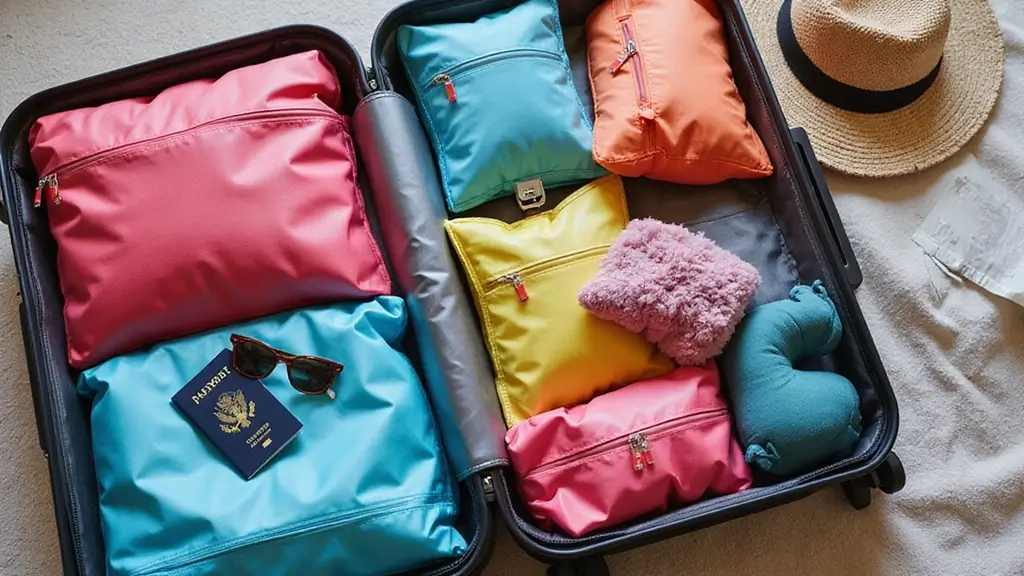

I put this together because deciding between packing cubes and compression bags can slow you down before you even leave the door. On trips, neat stacks feel like a small win. I have seen travelers fight with a jammed suitcase and a spill of socks because they skipped a plan. This guide gives you a simple, step by step approach to cut that stress.
If you travel with a backpack, a carry-on, or a whole family, this will help. If you care about easy access, clean clothes, and less rummaging, you are the reader I wrote this for. You want gear that packs well and stays tidy, without slowing you down at the airport or trailhead.
Here is what you will get. A practical method to pick between packing cubes and compression bags. Simple criteria you can apply on any trip. Tips you can test at home before you pack.
Packing cubes keep clothes neat and let you grab a shirt without digging. Compression bags trim bulk and can protect items from dirt or damp. For a mix of trips, you can use both to balance access and space. Think of a city break with quick outfit changes and a longer hike with heavy layers.
No tool is perfect for every trip. They add weight and cost, so you should use them with a plan. The trick is to pick one for the core of your bag and have the other as a helper when it makes sense. I also cover care tips for cubes and bags so they last many adventures. Be honest about the limits and the context of your trip.
Next steps start with a quick home trial. Lay out your gear for a weekend trip and compare how it fills your bag. Pack with packing cubes alone, then with compression bags, and note the differences. Write a simple plan you can follow on the road.
Contents
- 1. Understanding Packing Cubes
- 2. The Magic of Compression Bags
- 3. Weight Considerations
- 4. Durability and Longevity
- 5. Accessibility and Ease of Use
- 6. Price Point
- 7. Versatility for Different Trips
- 8. Packing Techniques
- 9. Travel Environment Impact
- 10. Final Thoughts on Your Packing Preferences
1. Understanding Packing Cubes

If you hate digging through a jumbled suitcase, packing cubes can change how you pack. These are small fabric pouches that keep your clothes and gear neatly grouped. They come in different sizes and colors, so you can sort by shirts, pants, and gear. With cubes, you see your items at a glance and grab what you need fast.
Here is what to look for when choosing packing cubes:
– Durable, lightweight fabric that resists rips but stays easy to carry.
– Varied sizes to mix large and small cubes for different items.
– Mesh panels to let air flow and let you peek inside.
– Easy care that can be machine washed or wiped clean.
Benefits of using packing cubes include:
– Organization to group outfits and keep clean and worn clothes apart.
– Accessibility to pull out one cube without unloading the whole bag.
– Style since colors and designs help you spot the right cube quickly.
Practical tips to get the most from cubes:
– Plan by day or location, and use one cube per plan.
– Group items by activity, such as work outfits or gym gear.
– Color code or label cubes so you know exactly where to grab.
– Put toiletries in a separate pouch to avoid leaks.
Keep expectations realistic. Packing cubes do not create extra space by magic. They mainly help you stay organized and save time when you pack and unpack.
Next steps: start with a simple two-cube set for your next trip and see how it changes your routine.
Packing cubes are your secret weapon for stress-free travel packing—keeping chaos at bay and your adventure on track!
Understanding Packing Cubes
Editor’s Choice

Travel Packing Cubes, Toifucos Multifunction 8pcs/set Luggage Organiser …
 Amazon£9.49
2. The Magic of Compression Bags

If you share a small suitcase with a big trip, compression bags can help. They shrink soft clothes to make more room. Here is why.
– Space saver: They work best for bulky items like jackets, sweaters, and thick knit pants. A compact roll can free inches, letting you slip in an extra tee or pair of socks.
– Protection: The bags seal out dirt and moisture. Your clothes stay clean and dry when your bag sits in damp luggage or rain.
– Easy to use: With a little practice, you roll out the air or use a vacuum and seal. It gets quick after you do it a few times.
Next steps: plan how to pack with them. Soft, flexible items compress well. Shoes, electronics, or hard shells don’t shrink much, so place those separately.
Access after sealing can be tricky. To grab a shirt, you may need to open the bag and unfold it. This can slow you down at the airport or hotel.
Tips: choose bags with sturdy zippers. Label a few bags so you know what’s inside. If you want, bring packing cubes too and test which setup you like best.
Carry small scissors or clips to open seals quickly. Tag bags by color.
The Magic of Compression Bags
Editor’s Choice

Amazon Basics Vacuum Compression Zipper Storage Bags with Airtight Valve…
Amazon£5.93
OSDUE Packing Cubes for Suitcase, 8PCS Thickening Travel Organiser Packi…
Amazon£9.093. Weight Considerations

Weight matters when you pack for air travel. Every extra gram can push you into a higher bag category. Packing cubes are usually lighter than compression bags and they don’t need air valves or pumps. If your weight limit is tight, packing cubes often win.
But compression bags push your clothes tighter than a suitcase stuffed full. They save space, so you can fit more in the same bag. That can help you stay under the total weight if you had to carry extra gear. The downside is the bags themselves add a little weight and a new step to your packing routine.
Here is why weight matters, and how to use it to decide. Consider these weight factors:
– Material: Pick packing cubes made from thin, sturdy fabric. Lighter fabrics cut bulk without sacrificing durability.
– Volume vs. Weight: Compression bags squeeze space. They don’t always save weight, so test the total load.
– Airlines Weight Limits: Know your airline’s rules. Some restrict both bag size and weight more than others.
Next steps:
– Weigh your bag after packing to see what truly fits your plan.
– Test both options with a typical travel day in mind.
– Choose the setup that keeps you under limits while keeping what you need.
In the end, aim for a smart balance between the weight of your packing gear and the weight of the items you bring. This simple check can save you airport hassle.
Weight Considerations
Editor’s Choice
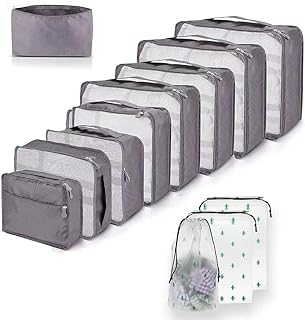
12 PCS Large Packing Cubes for Suitcases Various Sizes Suitcase Organise…
Amazon£17.98
10Pack Travel Space Saver Bags (4 x S, 3 x L, 3 xL), Reusable KFYM Vacuu…
Amazon£9.99
Hypercube Luggage Scale Portable Digital Weight Scale for Travel Suitcas…
Amazon£6.994. Durability and Longevity

Durability matters when you buy travel gear. You want packing cubes and compression bags that survive busy trips, not fall apart after a single plane ride. Strong gear means fewer repairs and less stress on the road.
Here is what to look for.
– Material Quality: Check for reinforced seams and sturdy zippers in packing cubes. Look for thicker fabric that can handle daily packing and unpacking. For compression bags, choose a thicker plastic or laminate that resists tears.
– Usage Frequency: If you travel a lot, spend a bit more for better durability. The right option pays you back in fewer replacements and steadier packing on each trip.
– Care Instructions: Learn the right care. Many packing cubes last longer if you air dry after a wash and stay away from high heat. Gentle cleaning helps compression bags keep their seal tight and their plastic clear.
Next steps: test durability at home before a trip. Tug the zipper, feel the seams, and bend the bag slightly to spot weak spots. Check for a warranty or guarantee so you’re covered if a seam gives way.
Choosing durable packing options means you won’t chase replacements every season. Prioritize reliability so your gear serves you well on many adventures.
Durability and Longevity
Editor’s Choice
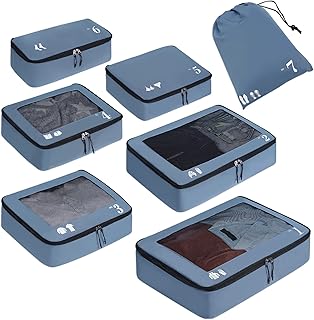
ECOHUB Packing Cubes for Suitcase 7 PCS Travel Organiser Packing Bags Re…
Amazon£21.59
Amazon Basics Vacuum Compression Zipper Storage Bags with Airtight Valve…
Amazon£5.93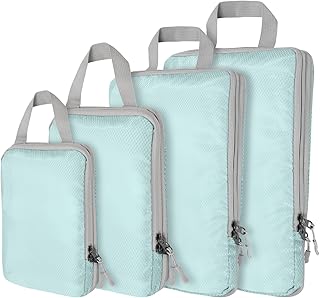
Compression Packing Cubes,4 Set Ultralight Packing Cubes for Carry on Su…
Amazon£8.495. Accessibility and Ease of Use

You want to grab what you need without digging. Accessibility in a bag makes travel smoother. Packing cubes keep outfits neat and easy to reach. They form a simple order you can follow from top to bottom, cube to cube. With cubes, you pull out one section and find a clean shirt in seconds.
Compression bags save space but slow you down. To reach a piece, you may have to unzip, flatten, and unroll the bag. You end up moving more fabric than needed. If you are in a hurry, those extra steps add up.
For best accessibility, try these ideas:
– Item Categorization: Group clothes by day or activity. Keep workout wear separate from casual wear.
– Layering Strategy: Put items you use most on the top for quick grabs.
– Quickly Identify Items: Transparent cubes let you see contents at a glance.
Mixing methods can help you get the best of both worlds. If space is tight, you can use compression bags for bulk items, then swap to cubes for daily outfits. If quick access is your main goal, packing cubes usually win and keep your packing simple, fast, and reliable.
Accessibility and Ease of Use
Editor’s Choice
Travel Packing Cubes, Toifucos Multifunction 8pcs/set Luggage Organiser …
Amazon£9.49
10Pack Travel Space Saver Bags (4 x S, 3 x L, 3 xL), Reusable KFYM Vacuu…
Amazon£9.99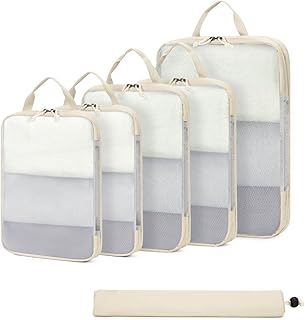
ECOHUB Travel Compression Packing Cubes, Recycled 6 Set Packing Cubes fo…
Amazon£25.406. Price Point

Price matters when you shop for packing gear. You want value that lasts. Here is how to price-pack your choice.
– Sets vs Singles: Packing cubes usually come in sets. A set often costs less per cube than singles. If you travel often, a 3- or 6-pack saves money and time. Compression bags also come in sizes, but match the pack to the sizes you use.
– Sales and Discounts: Look for deals before busy travel times. End-of-season sales, holiday promos, and coupons cut the cost. If you can wait, you may land a better price.
– Quality over Cost: Very cheap bags may have weak seams or a flimsy zipper. A small extra cost now can mean fewer replacements. Check stitching, zipper action, and fabric thickness.
Next steps: set a realistic budget. List the sizes you need most, then compare the total price of a set versus singles. Compare materials like nylon or polyester and how heavy they are. If you travel several times a year, sturdy packing solutions pay off with easier packing and less clutter after each journey. They help you spot items fast and keep clothes tidy every time you travel.
Price Point
Editor’s Choice
Travel Packing Cubes, Toifucos Multifunction 8pcs/set Luggage Organiser …
Amazon£9.49
10Pack Travel Space Saver Bags (4 x S, 3 x L, 3 xL), Reusable KFYM Vacuu…
Amazon£9.99
SINZUX Packing Cubes for Suitcase Travel Organiser Bags Storage, 10 PCS …
Amazon£9.997. Versatility for Different Trips

Your trips vary, and so should your packing tools. You want gear that fits your plans, not more weight. Here is how to steer your choice.
– Weekend Getaways: Packing cubes keep outfits tidy. A small suitcase or tote feels organized. You can see shirts, bottoms, and undergarments at a glance. It speeds getting ready and cuts mess after a day out.
– Long-term Travel: Compression bags help you pack more in the same space. You squeeze out air and flatten the bag. It frees room for a few extra layers or a bulky jacket. You can line them in your pack to keep things tight.
– Outdoor Adventures: If humidity or rain can touch your gear, compression bags protect dry items. Use them for towels, socks, or rain gear. A clean, dry bag makes a big difference when you set up camp.
Next steps: If your trips shift between short and long, mix both tools. Pack outfits in cubes for quick changes, and keep a couple of compression bags for bulk items or damp clothes. Practice at home with a sample trip. Note what you reach most and adjust. With the right mix, you stay light and ready.
Test it on your next trip.
Versatility for Different Trips
Editor’s Choice
Travel Packing Cubes, Toifucos Multifunction 8pcs/set Luggage Organiser …
Amazon£9.49
10Pack Travel Space Saver Bags (4 x S, 3 x L, 3 xL), Reusable KFYM Vacuu…
Amazon£9.99
ioutdoor Waterproof Dry Bags Lightweight 2L/5L/10L/20L Keep Dry Clean, D…
Amazon£8.548. Packing Techniques

Here is why your packing method matters. You use packing cubes or compression bags. The way you pack can save time, cut stress, and keep clothes looking neat. Let’s break it down.
– Rolling Clothes: Roll fabrics tight. It cuts wrinkles and frees more space. A firm roll holds shape in a cube while you can see items at a glance.
– Layering Technique: In compression bags, place heavy items at the bottom. Put lighter fabrics on top. This keeps the stack stable when you press and seal.
– Organize by Outfit: Pack complete looks in one cube or bag. It makes morning choices fast and avoids digging through piles.
Next steps you can try today:
– Sort items by type, then by weight. Heavy jeans go bottom; t-shirts go above.
– Fill gaps with small items like socks or underwear. It stops shifting during travel.
– For cubes, keep a small kit of essentials in a top cube so you grab it without rooting through everything.
– For bags, don’t overfill. Leave a little air so compression works and you can seal cleanly.
Packing with clear goals helps you move easier on the road and stay ready for the next stop. Start small, test one bag, and adjust for your next trip.
Packing smart is packing art! Use rolling and layering techniques to save space and keep your clothes wrinkle-free on your next adventure. Your travel packing game just got a serious upgrade!
Packing Techniques
Editor’s Choice
Travel Packing Cubes, Toifucos Multifunction 8pcs/set Luggage Organiser …
Amazon£9.49
10Pack Travel Space Saver Bags (4 x S, 3 x L, 3 xL), Reusable KFYM Vacuu…
Amazon£9.99
ECOHUB Packing Cubes for Suitcase 7 PCS Travel Organiser Packing Bags Re…
Amazon£21.599. Travel Environment Impact

Travel and the planet share the same road. You can shrink your footprint with smart packing gear. Packing cubes keep outfits neat and last longer when built with sturdy fabrics. Compression bags save space, yet many are plastic. If you choose reusable, thick plastic or fabric versions, you cut waste and stay tidy on the road.
Here is why it matters on real trips:
– Material Choice: Pick brands that use recycled or responsibly sourced materials. Look for fabrics or plastics that can be repaired or recycled later.
– Longevity: Durable seams, strong zippers, and easy care extend life. The longer your cubes or bags last, the fewer replacements you buy.
– Reusable vs. Disposable: Favor gear you can reuse year after year. Skip single-use sleeves and cheap sacks.
Your packing pick can show your care for the Earth. It also saves you time and stress. Start with one durable packing cube set or a thick bag, then test it on a short trip. Note how it handles clothes and how easy it is to clean. If you choose compression bags, pick a sturdy, recyclable option that wipes clean and fits your kit. Next steps: read labels, compare warranties, and choose gear that fits your travel style.
Choose your packing gear wisely! Sustainable materials in packing cubes can help reduce waste while keeping your outfits organized. What you pack with matters just as much as where you’re going!
Travel Environment Impact
Editor’s Choice
Travel Packing Cubes, Toifucos Multifunction 8pcs/set Luggage Organiser …
Amazon£9.49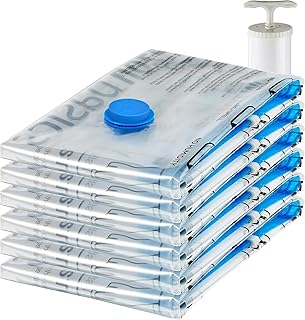
Amazon Basics Vacuum Compression Zipper Storage Bags with Airtight Valve…
Amazon£7.63
ECOHUB Packing Cubes for Suitcase 7 PCS Travel Organiser Packing Bags Re…
Amazon£21.5910. Final Thoughts on Your Packing Preferences

Final thoughts on packing preferences
You want a plan you can trust. Your choice guides how you move through a trip. If order and quick access matter to you, packing cubes shine. If space is the big goal, compression bags win.
Mix for balance
Try both at once. Put everyday clothes in cubes for fast finds. Slide bulky items into compression bags to free space. This combo keeps items easy to reach and keeps your bag compact.
Practical steps you can use now
– Start with two bags: one set of cubes and one compression bag for bulky items.
– Pack by type: tops and underwear in cubes; jackets in a bag.
– Choose bags with sturdy fabric and clear zoning so you can see what’s inside.
– Keep a simple packing checklist so you don’t miss basics.
Guide questions
– What trips do you take most often?
– Do you want lighter weight or quicker access?
– Which packing style feels most natural to you?
Next steps
– Test this setup on a weekend trip.
– Note what to tweak for your needs.
– Keep it simple and adjust as you go.
Remember to pack with intention. Your gear should serve you on the road.
Your choice shapes trips.
Packing doesn’t have to be a puzzle! Combine packing cubes for quick access with compression bags for space-saving magic, and enjoy organized adventures wherever you roam.
Final Thoughts on Your Packing Preferences
Editor’s Choice
Travel Packing Cubes, Toifucos Multifunction 8pcs/set Luggage Organiser …
Amazon£9.49
10Pack Travel Space Saver Bags (4 x S, 3 x L, 3 xL), Reusable KFYM Vacuu…
Amazon£9.99
Knock Knock Pack This! Pad Packing List Notepad, 6 x 9-inches
Amazon£6.39Conclusion

Choosing between packing cubes and compression bags doesn’t have to be daunting. By examining your travel style, preferences, and packing needs, you can find the perfect solution that meets your adventure’s demands. Whether you prioritize organization or space-saving, the right choice will enhance your packing routine and overall travel experience.
Take a moment to reflect on your packing habits, and don’t hesitate to switch up your methods as your travel needs evolve. Happy travels!
Note: We aim to provide accurate product links, but some may occasionally expire or become unavailable. If this happens, please search directly on Amazon for the product or a suitable alternative.
This post contains Amazon affiliate links, meaning I may earn a small commission if you purchase through my links, at no extra cost to you.
Frequently Asked Questions
What Are Packing Cubes and How Do They Help with Travel Packing?
Packing cubes are small fabric pouches designed to keep your clothes and gear neatly organized while traveling. They help you separate outfits, making it easier to find what you need without digging through a jumbled suitcase. Plus, they can be a game-changer for maintaining order during your trips, which is a small win that every traveler appreciates!
When Should I Use Compression Bags Instead of Packing Cubes?
Compression bags are ideal when you need to save space, especially for bulky items like jackets or sweaters. They work by shrinking soft clothes to maximize available space, making them perfect for shared suitcases or when you have limited packing room. If you’re heading on a long trip with several bulky items, compression bags might just be your best friend!
How Do Packing Cubes and Compression Bags Compare in Terms of Weight?
Weight is a crucial factor in travel packing, especially for air travel. Packing cubes are typically lighter than compression bags and don’t require additional mechanisms like air valves or pumps. This means you can pack more without worrying about exceeding weight limits, allowing you to enjoy your adventure without the hassle of extra fees!
What Should I Consider Regarding Durability When Choosing Packing Gear?
When selecting between packing cubes and compression bags, consider the materials and construction quality. Durable gear can withstand the rigors of travel, reducing the likelihood of wear and tear. Investing in strong packing tools means fewer repairs and less stress during your trips, so always check for sturdiness before making your choice!
How Do I Decide Between Packing Cubes and Compression Bags for My Trip Type?
Your packing choice should align with your travel style. For weekend getaways or short trips, packing cubes might be sufficient to keep your outfits organized. However, for longer trips with various clothing types, compression bags can help manage space effectively. Consider the nature of your trip—this will guide you to the packing tool that suits your needs best!
Related Topics
travel packing
packing cubes
compression bags
space saving
durable travel gear
accessibility tips
budget travel
travel organization
packing techniques
beginner friendly
adventure packing
travel gear comparison
✈️ Got Travel Questions?
Our brand new Travel FAQ Hub 2025 has answers to the most asked questions about winter sun escapes, city breaks, flights, packing hacks, and family trips. Updated every season for smarter travel.
🔍 Explore the Travel FAQ Hub
Leave a Reply