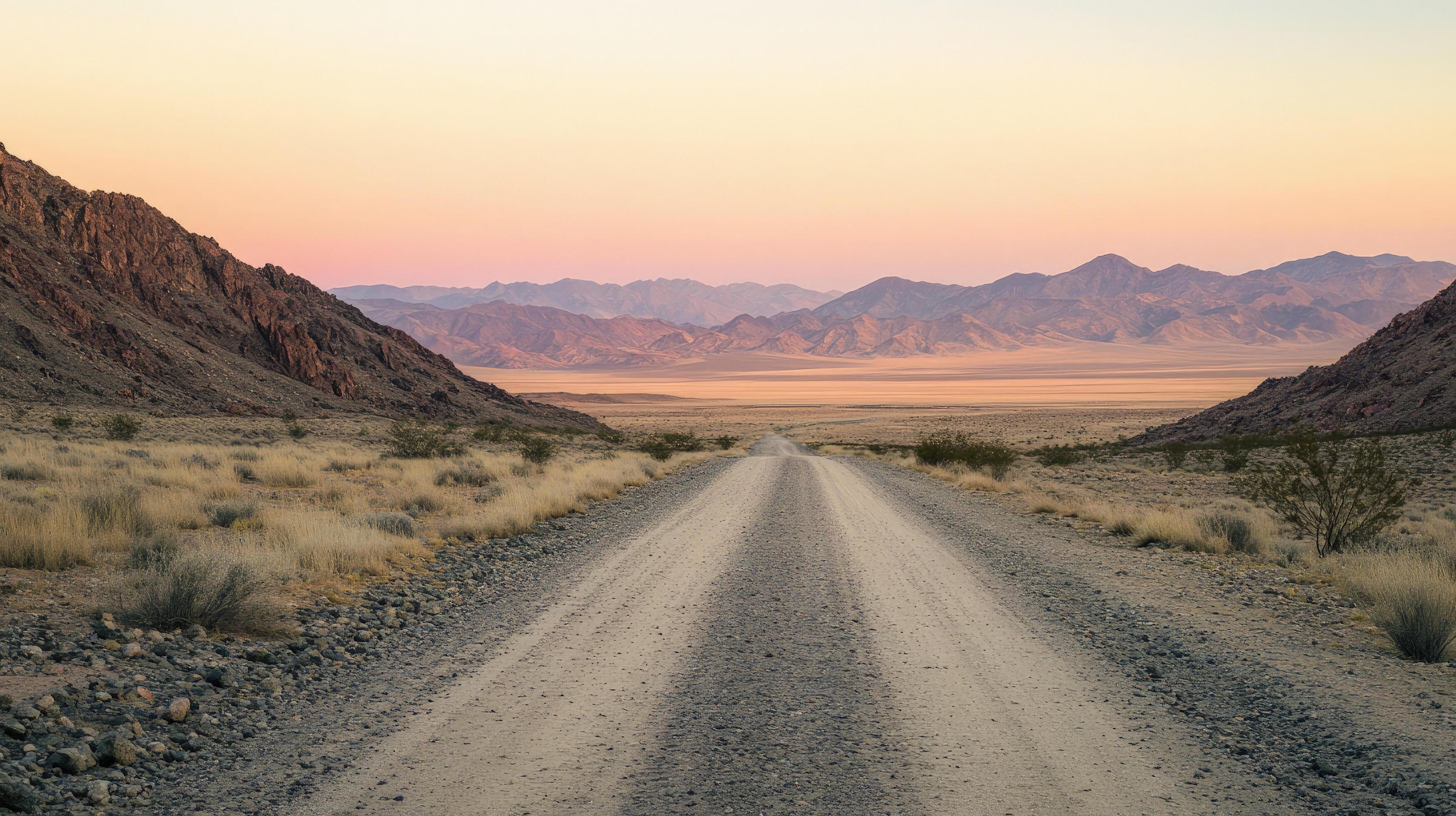


There's a unique freedom that only comes from a full tank of gas, a loose itinerary, and miles of open road stretching out before you. A road trip isn't just about getting from point A to point B; it's about the journey, the detours, the soundtrack, and the discovery that happens along the way.
But what makes a road trip truly "amazing"? It's a blend of breathtaking scenery, cultural immersion, and flawless planning that allows for spontaneous adventure. Whether you're dreaming of coastal cliffs, epic mountain passes, or historic highways, this guide is your ultimate resource. We'll cover everything from planning and budgeting to the most iconic routes on Earth.
Key Takeaways From This Guide
- Planning is essential: The best road trips balance a solid plan (budget, route, safety) with the flexibility to explore unexpected detours.
- Iconic routes offer diverse experiences: This guide covers classics like the Pacific Coast Highway, the Amalfi Coast, and the Great Ocean Road, each with unique highlights.
- Budgeting and packing are critical: We provide detailed checklists and budget tables to help you prepare for everything from fuel and food to lodging and activities.
- Safety and savvy travel: Learn basic and advanced tips, from vehicle checks to using the right apps, to ensure a smooth and safe journey.
Why Take a Road Trip? The Magic of the Open Road
In our fast-paced, fly-over world, the road trip is a powerful antidote. It forces you to slow down and truly see the world you're moving through. You're not just a passenger in a metal tube; you're an active participant in the landscape. You can stop whenever you want, change your route on a whim, and discover hidden gems that aren't in any guidebook.
Dr. Lee Thompson, a travel psychologist, notes, "The linear progress of a road trip—moving forward through space—can be incredibly therapeutic. It provides a sense of accomplishment and control, while the changing scenery stimulates the mind. It's an active form of mindfulness."
From the windows-down sing-alongs to the quiet contemplation inspired by a vast desert sunset, a road trip is an experience that stays with you forever. It's about connection—to the road, to your travel partners, and to yourself.

The Ultimate Road Trip Planning Guide
An amazing road trip rarely happens by accident. Spontaneity is the spice, but planning is the main course. A solid plan frees you from worrying about the "what-ifs" and allows you to enjoy the "what-nows."
Choosing Your Destination & Route
The first step is deciding where to go. Ask yourself these questions:
- How much time do you have? A weekend trip is very different from a two-month cross-country odyssey. Be realistic about driving times.
- What are your interests? Are you chasing national parks, historic sites, quirky roadside attractions, or foodie destinations?
- What's your "theme"? A coastal drive, a mountain adventure, a desert journey, or a historical route?
Once you have a general idea, use tools like Google Maps to outline a potential route. Look for major highlights, but also research smaller towns and state parks along the way. Pro-tip: Always build in buffer days. You'll be glad you did.
Budgeting for Your Adventure
Your budget will dictate almost every other aspect of your trip. Break it down into these main categories:
- Fuel: The biggest variable. Research your vehicle's MPG and the average gas prices along your route. Apps like GasBuddy can help.
- Accommodation: This can range from free (camping on public land) to expensive (luxury hotels). Book accommodation in popular areas well in advance.
- Food & Drink: A major budget-saver is packing your own snacks and lunches in a cooler. That said, budget for trying local restaurants!
- Activities & Attractions: Park entrance fees, museum tickets, and tours can add up. A National Parks Pass (like "America the Beautiful" in the U.S.) is often a great value.
- Contingency Fund: Always, always have an emergency fund. For a flat tire, an unexpected hotel stay, or that must-have souvenir. Aim for 15-20% of your total budget.
We'll look at a sample budget in our budgeting table section.
The Best Vehicle for a Road Trip (Rent vs. Own)
You don't need a brand-new RV. The "best" vehicle is one that is reliable, comfortable, and fuel-efficient for your needs.
- Driving Your Own Car:
- Pros: You're familiar with it, no mileage limits, and it's cheaper upfront.
- Cons: Wear and tear, depreciation, and the risk of a breakdown far from home.
- Action: Get a full service before you go: check oil, tires (including the spare!), brakes, and fluids.
- Renting a Car:
- Pros: A newer, more reliable vehicle. You can pick the perfect size (e.g., a convertible for the coast, an SUV for mountains). Includes roadside assistance.
- Cons: Cost, potential mileage caps (though many are unlimited), and one-way drop-off fees can be high.
- Action: Book in advance and check your personal car insurance and credit card for rental coverage.
Accommodation: From Camping to Luxury
Where you sleep is a huge part of the experience. A good road trip often mixes and matches.
- Camping/RVing: The most immersive and budget-friendly option. Great for national parks. Requires more gear.
- Motels & Roadside Inns: A classic part of road trip culture. Convenient, affordable, and flexible.
- Hotels: More amenities, comfort, and often a good "reset" night with a hot shower and comfy bed.
- Vacation Rentals (Airbnb/Vrbo): Great for longer stays (2+ nights), group travel, or when you want a kitchen.

What to Pack: The Essential Road Trip Checklist
Packing smart is an art. You want to be prepared, but not over-packed. Here's a comprehensive checklist.
Category 1: Vehicle Essentials
- ☑ License, Registration, and Insurance (Hard copies!)
- ☑ Vehicle Manual
- ☑ Spare Tire (and tools to change it: jack, lug wrench)
- ☑ Jumper Cables
- ☑ Emergency Roadside Kit (flares, first-aid, flashlight)
- ☑ Windshield Wiper Fluid
- ☑ Ice Scraper (if seasonal)
Category 2: Navigation & Tech
- ☑ Phone & Car Mount
- ☑ Car Charger & Portable Power Bank
- ☑ Offline Maps (Downloaded on Google Maps or via an app like Maps.me)
- ☑ Paper Road Atlas. (Don't skip this! Your phone will die or lose signal.)
- ☑ Pre-downloaded Playlists, Podcasts, and Audiobooks
Category 3: Personal & Comfort
- ☑ Driver's License / ID
- ☑ Cash and Credit Cards
- ☑ Reusable Water Bottle
- ☑ Cooler with Snacks and Drinks
- ☑ First-Aid Kit (for you, not just the car)
- ☑ Medications
- ☑ Sunglasses
- ☑ Comfortable Driving Shoes
- ☑ Travel Pillow and Blanket
Category 4: Food & Cleaning
- ☑ Trash Bag
- ☑ Paper Towels or Wipes
- ☑ Hand Sanitizer
- ☑ Reusable Shopping Bags
- ☑ Basic Cutlery / Swiss Army Knife
Tech, Apps, and Navigation
While a paper map is non-negotiable, tech makes road-tripping easier.
- Google Maps: Best for real-time traffic and routing. Tip: Download offline maps for your entire route.
- Waze: Best for crowd-sourced alerts on police, hazards, and traffic jams.
- Roadtrippers: Excellent for discovering quirky attractions, restaurants, and scenic points along your route.
- iOverlander: Essential for campers, finding wild campsites, water fill-ups, and showers.
- Spotify/Apple Music: No road trip is complete without a killer playlist. Download it!
Safety on the Road (Basic & Advanced Tips)
Your amazing trip can be ruined by one bad day. Prioritize safety.
- Basic Tip: Don't drive tired. The "8-hour rule" (driving no more than 8 hours a day) is a good one to follow. Rotate drivers if possible.
- Basic Tip: Check your tire pressure and oil regularly.
- Basic Tip: Never let your gas tank get below a quarter full, especially in rural or desert areas where stations are scarce.
- Advanced Tip: Share your itinerary with someone back home and check in daily.
- Advanced Tip: Keep valuables out of sight when you leave your car. Store them in the trunk.
- Advanced Tip: Sign up for a roadside assistance program (like AAA). It's worth the peace of mind.
Epic Road Trips in North America
North America was practically built for road trips, with vast, diverse landscapes connected by iconic highways.
Pacific Coast Highway (Route 1), USA
This is arguably one of the most famous and beautiful coastal drives in the world. Winding along the cliffs of California, it's a bucket-list journey of charming towns, dramatic ocean views, and iconic landmarks.
- Best Time: Spring (for wildflowers) or Fall (for fewer crowds and clear skies). Summer can be foggy.
- Approx. Length: 656 miles (1,055 km) for the most scenic section. Plan 5-7 days.
- Highlights: The Golden Gate Bridge (San Francisco), Santa Cruz, Monterey Bay Aquarium, the dramatic cliffs of Big Sur (Bixby Creek Bridge), Hearst Castle, and the beaches of Santa Barbara.

The Icefields Parkway, Canada
Connecting Banff and Jasper National Parks in Alberta, this drive is a staggering display of raw, glacial-carved beauty. You'll see over 100 ancient glaciers, cascading waterfalls, and emerald-green lakes.
- Best Time: Summer (June to September). The road can close in winter.
- Approx. Length: 144 miles (232 km). You can drive it in a day, but 2-3 days is better for hiking and sightseeing.
- Highlights: Lake Louise, Moraine Lake, Peyto Lake (a must-see viewpoint), the Columbia Icefield (walk on a glacier!), and Athabasca Falls.
Route 66, USA (The Classic)
The "Mother Road" is the quintessential American road trip, a journey back in time. Stretching from Chicago to Santa Monica, it's a neon-lit path of quirky motels, kitschy diners, and roadside art.
- Best Time: Late Spring or Early Fall to avoid desert heat.
- Approx. Length: 2,448 miles (3,940 km). Plan at least 2 weeks to do it justice.
- Highlights: The "Beginning" sign in Chicago, the Gateway Arch (St. Louis), Cadillac Ranch (Texas), the Wigwam Motel (Arizona), and the Santa Monica Pier (The "End").
Unforgettable Road Trips in Europe
Europe offers an incredible density of culture, history, and scenery. You can cross multiple countries in a day, each with its own language, food, and traditions.
The Amalfi Coast, Italy
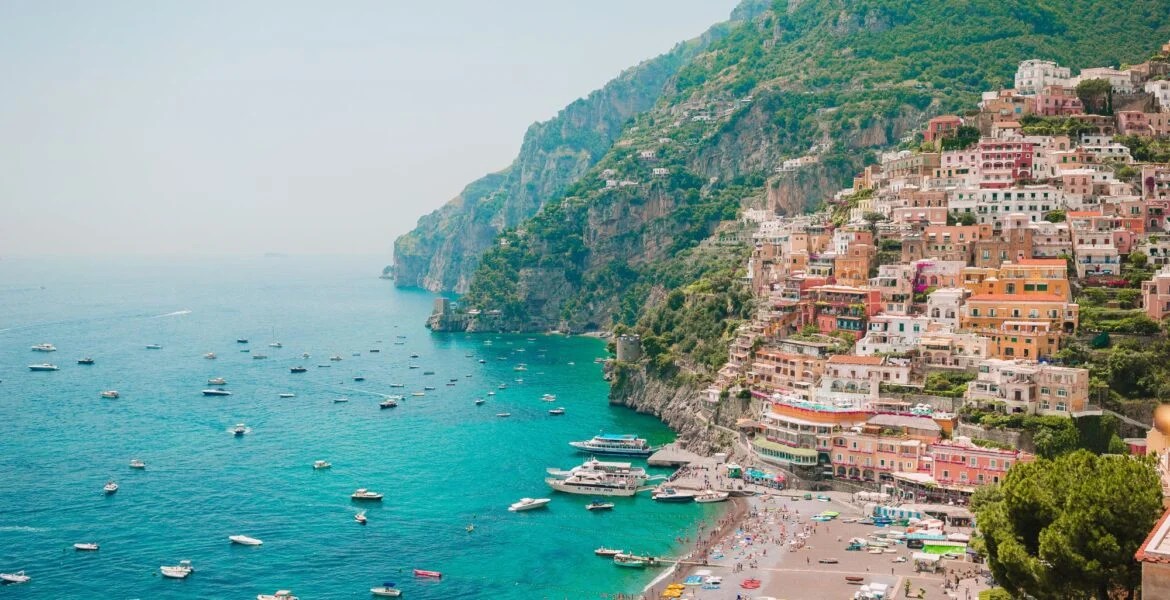
This is a drive of pure, dramatic beauty and high-end glamour. The narrow, cliff-hugging road on the Sorrentine Peninsula offers heart-stopping views of the Tyrrhenian Sea and pastel-colored villages.
- Best Time: Spring (May) or Fall (September) to avoid extreme traffic and heat.
- Approx. Length: 31 miles (50 km). It's short, but takes a full day (or more) with stops and traffic. Note: Not for nervous drivers!
- Highlights: The chic town of Positano (pictured below), the historic Amalfi Cathedral, and the gardens of Villa Rufolo in Ravello.
The North Coast 500, Scotland
A modern classic, the NC500 loops around the rugged, untamed coast of the Scottish Highlands. This is a trip for lovers of wild landscapes, ancient castles, and cozy pubs.
- Best Time: May to September. Be prepared for "midges" (tiny biting insects) in high summer.
- Approx. Length: 516 miles (830 km). Plan 5-7 days.
- Highlights: Inverness Castle, the ruins of Urquhart Castle on Loch Ness, stunning beaches like Achmelvich Bay, and the dramatic Bealach na Bà mountain pass.
The Romantic Road, Germany
This route through Bavaria is a real-life fairytale. It links a string of perfectly preserved medieval towns, half-timbered houses, and grand castles, all set in a storybook landscape.
- Best Time: Summer for festivals, or December for magical Christmas markets.
- Approx. Length: 220 miles (350 km). Plan 3-5 days.
- Highlights: The city of Würzburg, the impossibly charming walled town of Rothenburg ob der Tauber, and the grand finale at Neuschwanstein Castle (the "Disney" castle).
Bucket-List Road Trips Around the Globe
Great Ocean Road, Australia
Built by returned soldiers after WWI, this Australian National Heritage site is a stunning coastal drive in Victoria. It's most famous for the "12 Apostles" rock stacks rising from the Southern Ocean.
- Best Time: Australia's summer (December-February).
- Approx. Length: 151 miles (243 km). Can be done as a long day trip from Melbourne, but 2-3 days is better.
- Highlights: The 12 Apostles (get there at sunrise or sunset), Loch Ard Gorge, koala-spotting near Kennett River, and the surf town of Torquay.
The Garden Route, South Africa
This stretch of South Africa's southern coast is a lush, ecologically diverse paradise. It's a fantastic trip for nature lovers, offering forests, lagoons, and "fynbos" (native vegetation) against a backdrop of mountains and sea.
- Best Time: Year-round, but summer (November-March) is best for beaches.
- Approx. Length: 190 miles (300 km) from Mossel Bay to Storms River. Plan 4-6 days.
- Highlights: The lagoon town of Knysna, whale watching in Plettenberg Bay, hiking in Tsitsikamma National Park (and the Storms River Mouth bridge), and Cango Caves.
The "Golden Circle," Iceland
The perfect road trip for those short on time, the Golden Circle packs three of Iceland's most famous sights into one easy day trip from Reykjavík. It's a primer on Iceland's "fire and ice" geology.
- Best Time: Year-round. Summer for the midnight sun, Winter for the Northern Lights (but be prepared for snow).
- Approx. Length: 190 miles (300 km). A single, 8-10 hour day.
- Highlights: Þingvellir (Thingvellir) National Park (where tectonic plates meet), the erupting Geysir geothermal area, and the mighty Gullfoss waterfall.
Road Trip Comparison: Top 5 Routes at a Glance
Choosing your first epic road trip can be tough. Here's a quick comparison of some of the most popular routes we've covered.
| Route Name | Country | Approx. Length | Best For | Difficulty |
|---|---|---|---|---|
| Pacific Coast Highway | USA | 656 miles / 1,055 km | Coastal views, iconic landmarks, mix of cities and nature. | Easy to Moderate. Some sharp turns, can be foggy. |
| Amalfi Coast Drive | Italy | 31 miles / 50 km | Dramatic cliffs, picturesque villages, luxury. | Very Difficult. Extremely narrow, sharp turns, heavy traffic. |
| North Coast 500 | Scotland | 516 miles / 830 km | Rugged landscapes, castles, remote wilderness, hiking. | Moderate to Difficult. Many single-track roads. |
| Great Ocean Road | Australia | 151 miles / 243 km | Rock formations, beaches, wildlife (koalas), surfing. | Easy. Well-maintained road, but drive on the left! |
| Icefields Parkway | Canada | 144 miles / 232 km | Glaciers, mountains, turquoise lakes, wildlife. | Easy (in summer). Well-maintained, but no services. |
Road Trip Budgeting: Sample Daily Costs
Your daily spending can vary wildly. This table provides a sample breakdown for a road trip in the USA or Western Europe. (All figures are estimates in USD).
| Cost Item | Budget (per person) | Mid-Range (per person) | Luxury (per person) |
|---|---|---|---|
| Accommodation | $20 – $40 (Camping / Hostel) | $75 – $150 (Motel / Mid-range Hotel) | $250+ (Boutique Hotel / Luxury Lodge) |
| Food & Drink | $30 – $50 (Groceries, fast food) | $60 – $100 (Mix of groceries and casual restaurants) | $150+ (Fine dining, cocktails) |
| Gasoline | $30 – $60 (Varies by vehicle/distance) | $30 – $60 (Varies by vehicle/distance) | $30 – $60 (Varies by vehicle/distance) |
| Activities | $10 – $20 (Park fees, small museums) | $30 – $50 (Tours, larger attractions) | $100+ (Guided tours, special events) |
| Est. Daily Total | $90 – $170 | $195 – $360 | $530+ |
Pro Tips for an "Amazing" Road Trip (Not Just a Good One)
You've got the plan. Now, here's how to elevate your trip from "good" to "unforgettable."
Go Analog with a Paper Map
We've mentioned it twice, and here it is again. A paper road atlas is your best friend. It doesn't need a signal, it never runs out of batteries, and it shows you the big picture. You'll spot scenic backroads, state parks, and tiny towns that Google Maps would never suggest. Spreading a map out on the hood of your car is a core road trip ritual.
Embrace the "Detour Mindset"
The best moments of a road trip are almost never on the itinerary. See a sign for the "World's Biggest Ball of Twine"? Go. Hear about a great local diner 20 miles off the highway? Go. Your plan is a guide, not a contract. The goal is the journey, and detours are the heart of the journey. Give yourself time to be curious.
"The best part of a road trip isn't arriving at your destination… It's all the wild stuff that happens along the way." – Emma, avid road-tripper
Eat and Shop Like a Local
Avoid the soul-crushing sameness of highway rest stops and fast-food chains. Use your trip as an excuse to explore America's (or the world's) culinary landscape. Look for the diner with a parking lot full of local trucks. Stop at the small-town farmer's market for snacks. Ask a shop owner where they go for coffee. This is how you find the best food and the most interesting stories.
Watch: Get Inspired for Your Journey
Sometimes, you just need to see it to believe it. Here are a couple of videos to fuel your wanderlust.
Frequently Asked Questions (FAQ) About Road Tripping
1. What is the best road trip for a beginner?
The Golden Circle in Iceland is fantastic for beginners because it's short, well-marked, and packed with stunning sights. In the US, the Pacific Coast Highway is also a great choice as it's easy to navigate and has plenty of services, though it requires more time.
2. How long does it really take to drive Route 66?
To drive the entire length from Chicago to Santa Monica and actually enjoy the stops, you should plan for at least two weeks. Rushing it in one week would mean spending all day in the car and missing the point.
3. Is it safe to road trip solo?
Yes, absolutely! Solo road trips can be incredibly rewarding. Just take extra precautions: share your itinerary, check in regularly, always be aware of your surroundings, trust your gut, and have a reliable roadside assistance plan.
4. How do I save money on a road trip?
The top three ways are: 1) Pack food: A cooler with snacks, drinks, and lunch supplies saves a ton. 2) Camp: Camping (or sleeping in your car, where safe and legal) is drastically cheaper than hotels. 3) Drive efficiently: A well-maintained car and a smooth driving style save on gas.
5. What is the best app for planning a road trip?
For finding quirky stops, use Roadtrippers. For navigation, use Google Maps (with offline downloads). For finding campsites, use iOverlander or The Dyrt.
6. Should I rent a car or drive my own?
If your trip is long (e.g., cross-country) and you're worried about wear-and-tear or reliability, renting is a great option. If your car is reliable and the trip is shorter (under 2,000 miles), driving your own car is usually more economical and comfortable.
7. What's the most scenic road trip in the world?
This is subjective, but top contenders for "most scenic" are almost always the Icefields Parkway (Canada) for mountains/glaciers, the Amalfi Coast (Italy) for dramatic seaside cliffs, and the Pacific Coast Highway (USA) for iconic ocean views.
8. How do you avoid getting bored while driving?
A great road trip has a great "soundtrack." This includes: multiple music playlists (for all moods), fascinating podcasts (Serial, This American Life), and a compelling audiobook. Also, don't be afraid to just drive in silence and talk or think.
9. What do I do if my car breaks down?
First, get to safety. Pull as far off the road as possible and turn on your hazard lights. If it's safe, put out your emergency flares or triangles. Then, call your roadside assistance service. Do not accept help from strangers who pull over; wait for official help.
10. Can I road trip with a pet?
Yes, but it requires extra planning. You'll need to find pet-friendly accommodations, plan for frequent stops, and never, ever leave your pet in a hot car. Check out sites like BringFido for pet-friendly locations.
11. How many hours a day should I plan to drive?
To avoid burnout, a good rule of thumb is 6-8 hours of driving maximum. This leaves time for stops, meals, and setting up camp or checking into your hotel before it gets dark.
12. What's the difference between a road trip and just… driving?
The mindset. Driving is a chore to get somewhere. A road trip is an experience where the driving is the point. It's about exploration, curiosity, and enjoying the journey itself.
Conclusion: Your Adventure Awaits
An "amazing" road trip is more than a line on a map. It's a feeling. It's the thrill of the unknown, the joy of discovery, and the freedom of the open road. It’s a chance to write your own story, one mile at a time.
With the right planning—a solid budget, a reliable vehicle, and a flexible itinerary—you're ready. You have the checklists, the route ideas, and the pro-tips. The only thing left to do is pick a direction.
So, what are you waiting for? Start planning your next amazing road trip today.
Share your dream road trip destination in the comments below!
🌍 Travel Resources 2025
Looking for the best travel tools and websites this year? Our Travel Resources Hub covers flights, hotels, gear, insurance, and more. Smarter booking starts here.
🌍 Explore Travel Resources
Leave a Reply