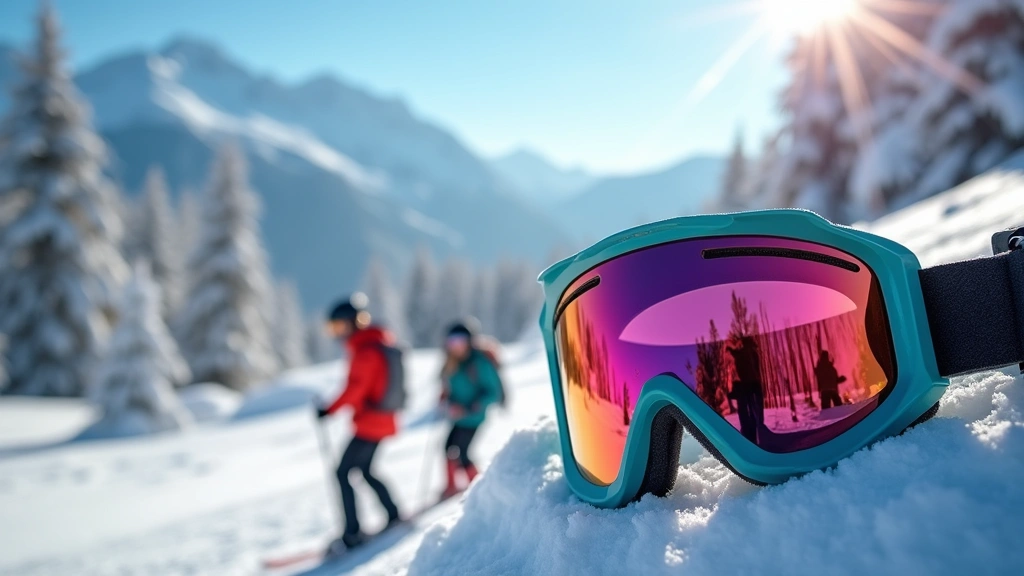

Skiing is one of those magical winter experiences that can turn a chilly day into a thrilling adventure on the slopes. But let me tell you, the right gear makes all the difference, especially when it comes to your vision. That’s why I put together this guide on selecting ski goggles. I know how frustrating it can be to have your view fogged up just when you’re about to carve that perfect turn.
If you’re a skiing enthusiast or just starting out, this post is for you. You care about having the best gear to enhance your experience, and ski goggles are a key part of that. You want something that not only looks great but also keeps your vision clear and protected from harsh glare and harmful UV rays.
In this guide, you’ll find practical tips on choosing ski goggles that focus on fog resistance and the right lens types for any condition. You’ll learn how to pick the proper fit for your frame, understand the importance of UV protection, and balance comfort with style. Plus, I’ll share maintenance tips to keep your goggles in top shape for many seasons. By the end, you’ll feel confident in your choice, knowing you have the perfect pair of goggles to help you tackle the slopes with clarity and style.
Let’s dive in and ensure your skiing adventures are always crystal clear!
Key Takeaways
– Understanding fog resistance features is essential; look for dual-layer lenses and anti-fog coatings to maintain visibility.
– Different lens types have specific tints for various conditions; VLT (Visible Light Transmission) ratings guide you in selecting the right tint for sunny or overcast days.
– Finding the right frame fit is crucial for comfort; consider your face shape and helmet compatibility when making your choice.
– UV protection is a must; ensure your goggles block 100% of UVA and UVB rays to protect your eyes from sun damage.
– Regular maintenance can extend the life of your goggles; always store them in a soft pouch and clean them with a proper lens cloth to avoid scratches.
Contents
- 1. Understanding Fog Resistance Features
- 2. Lens Types: Choose the Right Tint
- 3. Frame Fit: Finding Your Perfect Match
- 4. Importance of UV Protection
- 5. Comfort vs. Style: Finding the Balance
- 6. Price vs. Performance: What to Consider
- 7. Maintenance Tips for Longevity
- 8. Choosing the Right Brand for Your Needs
- 9. Getting Recommendations from Fellow Skiers
- 10. Finalizing Your Decision: What to Remember
1. Understanding Fog Resistance Features

Fog resistance is crucial when picking ski goggles. You don’t want your vision clouded while racing down the slopes. Modern goggles often have anti-fog coatings, but some work better than others. Look for dual-layer lenses. These create a thermal barrier that helps keep fog at bay. The inner lens traps warm air while the outer lens stays cooler, reducing condensation. Plus, good ventilation is vital. Make sure your goggles have openings to allow airflow and prevent moisture buildup.
To find fog-resistant goggles, focus on these tips: Choose dual-layer lenses for better thermal insulation. Add adjustable vents to enhance airflow and keep moisture away. Research anti-fog treatments from trusted brands known for their durability. Prioritize a combination of these features to enjoy your time on the mountain without foggy distractions.
Fun fact: Dual-layer lenses in ski goggles can reduce fogging by up to 60%, thanks to a built-in thermal barrier. Keep airflow in mind—goggles with vents stay drier and clearer on every run, not just in fresh powder.
Understanding Fog Resistance Features
Editor’s Choice


FREEZE & PLUS Matte Black Ski Goggles Optimal vision, anti-fog and anti-…
 Amazon£34.23
2. Lens Types: Choose the Right Tint

The tint of your ski goggles plays a big role in how you see on the slopes. Different colors block certain light wavelengths, improving visibility in various conditions. For night skiing or low-light days, clear lenses are perfect. They let in as much light as possible. Yellow or amber tints enhance contrast, making them ideal for overcast days. For bright, sunny conditions, dark tints like gray or bronze reduce glare and eye strain. Photochromic lenses adjust to changing light, offering flexibility as weather shifts.
When selecting a lens tint, think about the usual weather for your ski trips. Match your tint to your skiing style and conditions. A little planning can greatly enhance your experience and safety on the slopes!
Lens Types: Choose the Right Tint
Editor’s Choice

4D MAG Goggles with ChromaPop Lens – Performance Snowsports Goggles for …
Amazon£238.54

FREEZE & PLUS Matte Black Ski Goggles Optimal vision, anti-fog and anti-…
Amazon£28.483. Frame Fit: Finding Your Perfect Match

Getting the right fit is essential for effective ski goggles. You need them snug enough to block cold air and snow but comfortable too. Start by trying on various frame sizes. Look for models with adjustable straps to customize the fit. Also, consider your face shape! Some brands cater to different face shapes, so explore those options. The gasket should sit comfortably without pinching your skin.
For those who wear glasses, look for OTG (Over The Glasses) designs. Ensure your goggles have plenty of padding for comfort and warmth. Also, check if they fit well with your helmet, preventing gaps that could compromise protection.
Finding the right frame will enhance your skiing experience and let you focus on the fun, not your gear.
Frame Fit: Finding Your Perfect Match
Editor’s Choice

OutdoorMaster OTG Ski Goggles – Over Glasses Ski/Snowboard Goggles for M…
Amazon£27.99
Vgooar Ski Goggles, OTG Cylindrical Lens Ski Goggles with Adjustable Lon…
Amazon£22.49
Supertrip Ski Goggles for Men Womens Anti-fog skiing goggles UV Protecti…
Amazon£19.994. Importance of UV Protection

UV rays can harm your eyes, even on cloudy ski days. That’s why UV protection is essential when choosing ski goggles. Look for goggles that offer 100% UV protection to shield your eyes from harmful rays. Sunlight reflecting off snow can intensify UV exposure, risking snow blindness. Ensure your goggles have UV-blocking filters to protect your eyes and reduce glare on sunny days.
Check the specifications for UV protection standards. Pair your goggles with sunscreen for added safety on the slopes. Wearing a helmet with a visor can also provide extra coverage from sun exposure.
Focusing on UV protection will let you enjoy skiing without worrying about your eye safety.
Fun fact: Snow glare can boost UV exposure, even on cloudy ski days. Choose ski goggles with 100% UV protection to shield your eyes and reduce glare. Pro tip: pair goggles with sunscreen for extra safety.
Importance of UV Protection
Editor’s Choice

Vicloon Unisex Snow Goggles Windproof 100% UV Protection,Cycling Motorcy…
Amazon£5.94
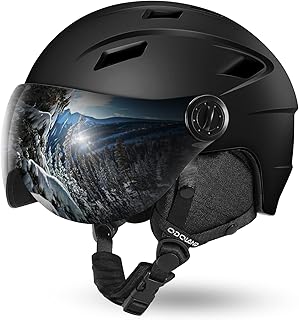
Odoland Ski Helmet with VLT 18% Lens Visor Great for Skiing, Light Weigh…
Amazon£69.995. Comfort vs. Style: Finding the Balance

Ski goggles need to blend style and comfort. You want to look good while skiing, but comfort is just as important. Most brands offer stylish options without sacrificing performance. When shopping, pay attention to the weight of the goggles, the type of foam padding, and how they feel when worn. Some users find thicker foam more comfortable, but it can add weight. Aim for a lightweight design that’s also fashionable for long mountain days.
Look for brands that merge style and functionality. Choose goggles with interchangeable lenses to change your look easily. Don’t hesitate to pick bold colors or patterns that match your personality!
With so many choices, you can find a perfect pair that’s both comfortable and stylish.
Comfort vs. Style: Finding the Balance
Editor’s Choice


Cyber Goggles Steampunk Welding Goth Cosplay Vintage Goggles Rustic (Cop…
Amazon£5.97
You might also like

Essential Driving Abroad Rules

Must-Have Winter Travel Fashion Essentials
6. Price vs. Performance: What to Consider

When buying ski goggles, prices can vary widely depending on brand and features. While tempting to choose the cheapest option, remember that quality often means better durability and performance. Investing a little more in a reputable brand can pay off long-term. Look for features like high-quality lenses, fog-resistant coatings, and adjustable straps to justify the cost. If you ski often, spending more on quality gear may save you money over time.
Research brands and read reviews to understand their value. Check warranties—good brands often provide longer warranties as proof of their quality. Keep an eye out for seasonal sales and discounts to score high-quality gear at lower prices.
Finding the right balance between price and performance is key for an enjoyable skiing experience.
❝Fun fact: investing in higher-quality ski goggles can reduce fog and costly replacements—the true cost per season often drops by 30–50%. Spend a little more on a reputable brand, and your lens performance pays off over time.❞
Price vs. Performance: What to Consider
Editor’s Choice
Unisex Snow Goggles Windproof 100% UV Protection,Cycling Motorcycle Snow…
Amazon£5.947. Maintenance Tips for Longevity

Caring for your ski goggles is vital for their longevity. Proper maintenance keeps your lenses clear and scratch-free. Start cleaning with a microfiber cloth and avoid harsh chemicals that could ruin the anti-fog coating. Store your goggles in a protective case when not in use to prevent scratches and damage. Don’t place them on your helmet or ground to avoid accidents that ruin your gear.
Never wipe wet lenses; always let them air dry first. Store them in a cool, dry place away from direct sunlight. Replace any worn-out parts like foam padding to keep them comfortable.
With a bit of care, your ski goggles will stay in great shape, ready for your next snowy adventure.
Maintenance Tips for Longevity
Editor’s Choice

1 Pack Anti-Fog Wipe, Eyeglasses Cleaning Cloths, Cleaning Wipe for Eyeg…
Amazon£5.00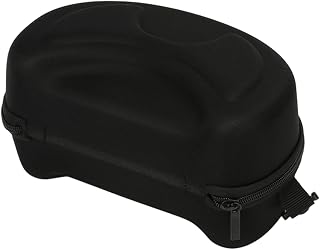
Fcnjsao EVA Goggles Protective Case for All Shapes and Sizes of Ski and …
Amazon£4.98
KYMAR Soft Foam Padding V2 for walksnail goggles X and DJI Goggles 2/Int…
Amazon£25.248. Choosing the Right Brand for Your Needs

The ski goggle market has many brands, each offering unique features and styles. Popular choices like Oakley, Smith, and Giro are known for high quality. Researching different brands helps you find the perfect fit for your needs. Think about what matters most: fog resistance, UV protection, or lens variety. Check customer reviews to learn about reliability and comfort. Many brands also allow customization, so you can select frames and lens tints that suit your style.
Check brand warranties; quality brands often stand behind their products. Visit local ski shops to try products hands-on. Compare online prices with retail stores to get the best deals.
Choosing the right brand can greatly improve your skiing experience, so take your time.
Choosing the Right Brand for Your Needs
Editor’s Choice
Vicloon Unisex Snow Goggles Windproof 100% UV Protection,Cycling Motorcy…
Amazon£5.94
Vicloon Unisex Snow Goggles Windproof 100% UV Protection,Cycling Motorcy…
Amazon£5.94
Vicloon Unisex Snow Goggles Windproof 100% UV Protection,Cycling Motorcy…
Amazon£5.949. Getting Recommendations from Fellow Skiers

Some of the best advice comes from fellow skiers. Don’t hesitate to ask friends, family, or other skiers about their experiences with different goggles. Personal recommendations can offer insights into comfort, fit, and performance that product descriptions might miss. Skiing forums and social media groups are also great resources. Engaging with the skiing community can give you real-world feedback on products.
Share your skiing habits and what you’re looking for in goggles to get tailored suggestions. Attend ski expos or demo days to try on different brands and styles firsthand. Join online skiing communities to stay updated on new technologies and products.
Being part of a skiing community can enrich your experience and help you choose the right goggles.
Getting Recommendations from Fellow Skiers
Editor’s Choice
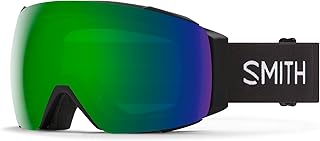
OPTICS I/O MAG Ski- Snowboardbrille BLACK 22 – ChromaPOP Green Mirror Su…
Amazon£202.49
FREEZE & PLUS Matte Black Ski Goggles Optimal vision, anti-fog and anti-…
Amazon£34.2310. Finalizing Your Decision: What to Remember

After considering everything, it’s time to make your final choice. Focus on comfort, protection, and visibility when selecting your ski goggles. Review all the features: fog resistance, lens types, and fit we’ve discussed. Think about how often you’ll ski. If you’re a seasonal skier, mid-range goggles may work fine. However, frequent skiers might prefer premium options for better performance. Don’t forget to choose a style that makes you feel good!
Create a checklist of features that matter most to you. Set a budget to narrow down your choices without overspending. Trust your instincts; pick what feels right for you!
Selecting ski goggles doesn’t have to be overwhelming. With the right knowledge and preparation, you’ll find a pair that suits all your winter adventures.
Finalizing Your Decision: What to Remember
Editor’s Choice
OPTICS I/O MAG Ski- Snowboardbrille BLACK 22 – ChromaPOP Green Mirror Su…
Amazon£202.49
FREEZE & PLUS Matte Black Ski Goggles Optimal vision, anti-fog and anti-…
Amazon£28.48Conclusion

Selecting the perfect ski goggles is crucial for enjoying your time on the slopes to the fullest. By prioritizing fog resistance, the right lens type, and finding a comfortable fit, you can ensure a safe and fun skiing experience. Remember, it’s not just about style—function plays a vital role too!
With the tips shared in this guide, you’re now equipped to make an informed choice. So hit the slopes with confidence and don’t forget that the right gear can enhance your overall adventure!
Note: We aim to provide accurate product links, but some may occasionally expire or become unavailable. If this happens, please search directly on Amazon for the product or a suitable alternative.
This post contains Amazon affiliate links, meaning we may earn a small commission if you purchase through our links, at no extra cost to you.
Frequently Asked Questions
What Features Should I Look for in Ski Goggles to Prevent Fogging?
Fogging can be a major annoyance on the slopes, but there are features you can look for to minimize it. Opt for goggles with a dual-lens design, as the air pocket between the lenses helps with insulation. Additionally, consider goggles with an anti-fog coating on the inner lens to further reduce moisture buildup.
Remember to keep your goggles clean and store them in a cool, dry place to maintain their fog resistance!
How Do I Choose the Right Lens Type for Different Ski Conditions?
Choosing the right lens type can enhance your skiing experience significantly! For bright, sunny days, go for dark-tinted lenses that reduce glare. On overcast days, yellow or rose-tinted lenses can improve visibility by enhancing contrast. For variable conditions, consider photochromic lenses that adjust to changing light levels, providing versatility on the mountain.
Always think about the typical weather conditions you ski in to make the best choice!
Are There Specific Goggles Recommended for Prescription Glasses Wearers?
Absolutely! Many brands offer OTG (Over The Glasses) ski goggles designed specifically for prescription glasses wearers. These goggles have a wider frame and more interior space, ensuring comfort while keeping your vision clear. Look for models with adjustable straps to ensure a snug fit over your glasses without discomfort.
It’s always a good idea to try them on with your glasses to ensure compatibility before making a purchase!
What Maintenance Tips Can Help Extend the Life of My Ski Goggles?
Taking care of your ski goggles can significantly extend their lifespan! Always wipe the lenses with a microfiber cloth to avoid scratches, and never use paper towels or your clothing, as these can damage the lens coating. After a day on the slopes, rinse them with cold water to remove snow and salt, then let them air dry.
Store your goggles in a protective case to prevent damage when not in use. A little care goes a long way in keeping your ski goggles in top shape!
How Can I Ensure a Proper Fit When Buying Ski Goggles Online?
Finding the perfect fit for ski goggles online can be tricky, but it’s definitely doable! Check the size guide provided by the manufacturer, as different brands may have varying sizing standards. Also, look for reviews that mention fit and comfort, as well as any specific features like adjustable straps or foam padding that can enhance the fit.
If possible, try to buy from retailers that offer free returns, so you can exchange them if they don’t fit as expected!
Leave a Reply