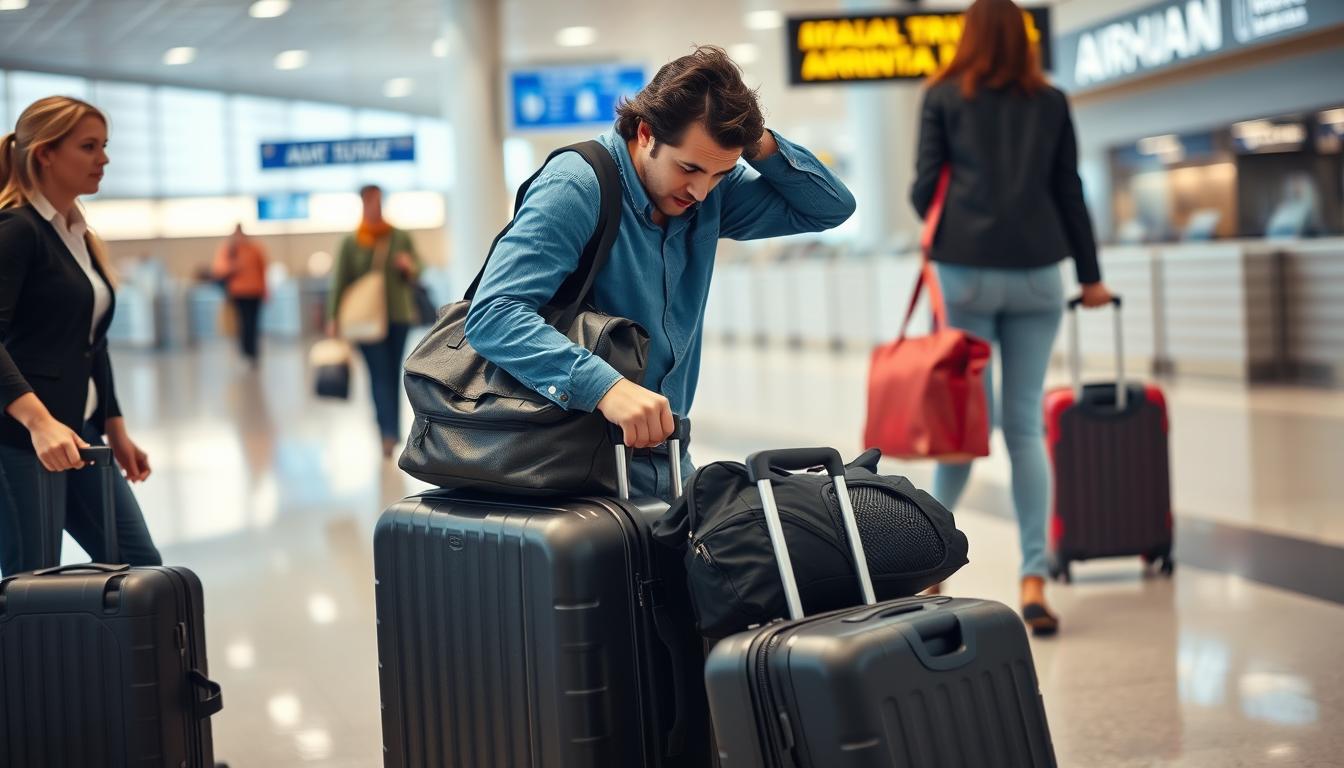

Travel scams and common travel mistakes continue to change with trends in tourism, digital payments, and travel behaviour. This guide has been updated for 2026 to help you avoid the latest scams and travel traps so you can travel smarter, safer, and with confidence.
Whether you’re a first-time traveler or a seasoned globetrotter, we all make mistakes and can fall victim to scams while exploring new destinations. I once mistakenly exchanged currency at an airport kiosk (terrible rates!) and nearly entered what I thought was a massage spa in Beijing, only to discover later it was actually a high-end brothel. These experiences taught me valuable lessons that I’m sharing in this comprehensive guide to help you avoid similar situations.
From overpacking and poor planning to sophisticated scams targeting tourists, this guide covers the most common pitfalls travelers face and provides practical prevention strategies. By learning to recognize these situations before they happen, you’ll travel with greater confidence and enjoy safer, more rewarding experiences abroad.
Common Travel Mistakes

Overpacking is one of the most common travel mistakes that can make your journey unnecessarily difficult
1. Overpacking Like There’s No Tomorrow
We’ve all been guilty of this at some point. You pack for every possible scenario—sudden cold snap, surprise formal dinner, spontaneous hiking expedition—and end up with a suitcase so heavy you need help lifting it into the overhead bin.
The reality is that you’ll wear about half of what you pack. Most destinations have laundry facilities or services, and many items can be purchased locally if needed.
Overpacking Prevention Tips:
- Pack from your clean laundry pile—if you haven’t worn it recently, don’t bring it
- Follow the 5-4-3-2-1 rule for a week-long trip: 5 pairs of socks/underwear, 4 tops, 3 bottoms, 2 pairs of shoes, 1 jacket
- Choose a color scheme so all items mix and match
- Pack travel-size toiletries in a clear container to prevent leakage disasters
2. Neglecting Travel Insurance
Many travelers view insurance as an unnecessary expense, only to regret this decision when facing medical emergencies, trip cancellations, or lost luggage. What’s worse, some people purchase insurance just before departure, not realizing that many benefits (like trip cancellation) only apply if you buy the policy shortly after booking your trip.
Protect Your Travel Investment
Don’t wait until the last minute to secure travel insurance. Comprehensive policies cover medical emergencies, trip cancellations, lost luggage, and even emergency evacuation.
3. Poor Budgeting and Financial Planning
Running out of money halfway through your trip or getting hit with excessive ATM fees and poor exchange rates can quickly turn a dream vacation into a stressful experience. Many travelers underestimate daily expenses or fail to account for unexpected costs.
Smart Travel Money Tips:
- Research the true cost of your destination (not just flights and accommodation)
- Add a 15-20% buffer to your budget for unexpected expenses
- Notify your bank of travel plans to prevent card blocks
- Avoid airport currency exchange kiosks (they offer the worst rates)
- Take out larger sums at ATMs to minimize transaction fees
- Carry money in multiple places (not all in your wallet)
4. Inadequate Research and Planning
While spontaneity has its place in travel, completely winging it can lead to disappointment. You might miss must-see attractions due to unexpected closures, waste time figuring out transportation, or struggle to find accommodation during peak seasons.

Proper research helps avoid disappointments like finding attractions closed during your visit
Take time to research opening hours, local holidays, and transportation options. Book key attractions in advance, especially during high season, but leave room in your schedule for spontaneous discoveries and rest days.
5. Not Backing Up Documents and Photos
Imagine losing all your vacation photos because your phone was stolen, or being stranded without access to your hotel reservation because it was only saved on your lost device. Digital mishaps can cause significant stress during travel.
“I learned the hard way to back up everything after my camera with two weeks of irreplaceable travel photos was stolen in Barcelona. Now I back up daily to both a portable hard drive and cloud storage.”
Before your trip, scan important documents (passport, visa, insurance policy, itinerary) and store copies both digitally (cloud storage) and physically (printed copies kept separate from originals). Back up photos regularly during your trip using cloud services or portable storage devices.
6. Ignoring Local Customs and Cultural Norms
Cultural misunderstandings can range from mildly embarrassing to genuinely problematic. In some countries, common gestures have offensive meanings, standard Western attire may be inappropriate, or certain behaviors considered normal at home might be disrespectful abroad.

Inappropriate attire can prevent you from visiting important cultural sites
Research basic cultural norms, dress codes for religious sites, tipping practices, and common gestures to avoid. Pack at least one modest outfit (covering shoulders and knees) for visiting religious sites, regardless of your destination.
7. Failing to Learn Basic Local Phrases
While English is widely spoken in many tourist destinations, making an effort to learn a few basic phrases in the local language shows respect and can enhance your experience. It can also help in situations where English isn’t understood, such as communicating dietary restrictions or asking for directions.
Essential Phrases to Learn:
- Hello/Goodbye
- Please/Thank you
- Excuse me/Sorry
- I don’t understand
- Do you speak English?
- How much does this cost?
- Where is the bathroom?
- I am allergic to… (if applicable)
8. Poor Itinerary Planning
Trying to cram too many activities into each day leads to exhaustion and prevents you from truly experiencing destinations. Similarly, failing to account for travel time between locations can result in missed connections and unnecessary stress.
When planning your itinerary, be realistic about what you can accomplish each day. Factor in travel time, potential delays, and the need for rest. Include buffer days for unexpected discoveries or recovery from jet lag. Remember that quality experiences are more valuable than quantity.

Overpacked itineraries lead to exhaustion and prevent you from truly enjoying your destination
Travel Scams to Avoid
Even the most experienced travelers can fall victim to scams. Awareness is your best defense—knowing what to look for helps you recognize and avoid potential scams before you become a target.

Taxi scams are among the most common issues travelers face worldwide
1. The Taxi Meter Scam
This classic scam occurs worldwide: a taxi driver claims the meter is broken and quotes an inflated flat rate, takes a longer route than necessary, or uses a rigged meter that runs faster than it should. In some cases, drivers might even give counterfeit bills as change.
How to Avoid Taxi Scams:
- Research approximate fares before your trip
- Use official taxi stands or reputable ride-sharing apps
- Insist on using the meter or agree on a price before entering the vehicle
- Track your route on your phone’s map app
- Have small bills ready to avoid change problems
- Ask your hotel to call a reputable taxi service
2. The “Closed” Attraction Redirect
A friendly local approaches you near a popular attraction and informs you it’s temporarily closed for a ceremony, lunch, or cleaning. They offer to take you to another interesting site or shop while you wait. In reality, the attraction is open, and they’re diverting you to businesses that pay them commissions.
Always verify information at official entrances or visitor centers. Be skeptical of unsolicited help, especially when it involves redirecting you to alternative locations. If someone claims an attraction is closed, politely thank them and check for yourself.
3. The Friendship Bracelet/Free Gift Trap
In tourist areas, especially in Europe, someone may approach you with a “free” bracelet, rose, or small souvenir. Once they’ve placed it in your hand or on your wrist, they demand payment and may cause a scene if you refuse. Some use this as a distraction while accomplices pickpocket you.

The “free” gift scam is particularly common in popular European tourist destinations
Firmly decline any unsolicited items. If someone tries to place something on you, step back and clearly say “No, thank you.” If they persist, walk away. Be especially vigilant in crowded tourist areas where this scam is common.
4. The Spill and Clean Scam
Someone “accidentally” spills a substance on your clothing, then profusely apologizes and attempts to help clean it. While you’re distracted by the mess, they or an accomplice pickpockets you. Variations include fake bird droppings or food stains.
If someone spills something on you, politely decline help and move to a less crowded area to clean it yourself. Keep your belongings secure and be aware of your surroundings, especially if the “accident” seems suspicious.
Protect Your Valuables While Traveling
Anti-theft travel accessories provide peace of mind in high-risk areas. Consider investing in slash-proof bags, hidden money belts, or RFID-blocking wallets.
5. The Fake Police Officer
Individuals posing as police officers may approach you, claim there’s been a problem with counterfeit currency, and ask to inspect your wallet. Once they have access to your money, they pocket some before returning your wallet, or they may issue fake “fines” for imaginary infractions.
If Approached by “Police”:
- Ask for identification and badge numbers
- Suggest moving to the nearest police station to resolve the matter
- Never hand over your wallet or passport
- Know that legitimate officers rarely ask to see your money
- If in doubt, call the official police number to verify
6. The Friendly Local/Bar Scam
A friendly local strikes up a conversation and invites you to a bar, club, or restaurant they recommend. Once there, you’re presented with an exorbitant bill, sometimes thousands of dollars, and intimidated into paying. In some cases, your drink may be drugged, leading to robbery.

The “friendly local” scam often ends with an unexpectedly enormous bill
Be cautious of overly friendly strangers, especially those eager to take you to specific establishments. Research venues before visiting, stick to reputable places, and never leave your drink unattended. If something feels wrong, trust your instincts and leave.
7. The ATM Skimming Scam
Criminals install devices on ATMs that capture your card information and PIN. These skimmers can be sophisticated and difficult to detect. Some scammers also offer “help” at ATMs, using the opportunity to memorize your PIN or swap your card.
Use ATMs inside banks when possible, inspect the card slot for anything unusual, cover the keypad when entering your PIN, and decline help from strangers. Check your accounts regularly for unauthorized transactions.
8. The Fake Petition Scam
Common in European cities, someone approaches with a clipboard asking you to sign a petition for a seemingly worthy cause. While you’re distracted, accomplices pickpocket you, or the petition later turns into a demand for a “donation.”
Politely decline to sign anything from strangers on the street. Keep walking if approached, and be especially vigilant in crowded tourist areas where this scam is prevalent.
9. The Accommodation Switch Scam
You arrive at your booked accommodation only to be told there’s a “problem” with your reservation. You’re directed to alternative lodging that’s inferior to what you booked, often at the same price or higher. Sometimes, the original booking never existed at all.

Always confirm reservations directly with accommodations before arrival
Book through reputable platforms, confirm reservations directly with the property before arrival, and have confirmation details accessible offline. If you suspect a scam, contact the booking platform immediately.
10. The Currency Exchange Scam
Unscrupulous currency exchangers may use sleight of hand to short-change you, count bills quickly to confuse you, or give you outdated/invalid currency. Some quote favorable rates but add hidden fees or commissions.
Safe Currency Exchange Tips:
- Research current exchange rates before your trip
- Use bank ATMs for the best rates (despite small fees)
- Avoid exchange services at airports and tourist areas
- Count your money carefully before walking away
- Learn what local currency should look and feel like
11. The Gem or Carpet Scam
This elaborate scam involves convincing you to purchase “valuable” items like gems, carpets, or art that can supposedly be resold at home for a significant profit. In reality, these items are worthless imitations or grossly overpriced.
Be skeptical of too-good-to-be-true investment opportunities while traveling. If you’re interested in purchasing valuable items, research reputable vendors beforehand and get proper documentation for authentic pieces.
12. The Photo Scam
Someone offers to take your photo at a tourist spot, then either demands payment or runs off with your camera or phone. Alternatively, costumed “characters” at attractions may insist on payment after posing for photos.

Street performers and costumed characters often expect payment for photos
Ask fellow tourists to take your photo rather than strangers who approach you. Be aware that costumed performers typically expect payment—decide if you want to pay before taking photos.
Essential Prevention Strategies
While specific scams vary by location, these universal strategies will help you stay safe regardless of your destination:
Before Your Trip
- Research common scams at your destination
- Purchase comprehensive travel insurance
- Make copies of important documents
- Set up travel alerts on credit cards
- Download offline maps and translation apps
- Register with your country’s embassy (for high-risk destinations)
During Your Trip
- Stay alert in crowded tourist areas
- Use hotel safes for valuables
- Be wary of unsolicited help or extraordinary deals
- Trust your instincts—if something feels wrong, walk away
- Use secure payment methods
- Stay connected with friends/family about your whereabouts

Simple precautions like using a money belt can significantly reduce your risk
Stay Connected & Secure While Traveling
A reliable VPN protects your personal data when using public Wi-Fi networks abroad, while an international eSIM keeps you connected without roaming charges.
Essential Travel Resources
These trusted tools and services can help you plan safer, smoother trips:
Travel Protection
- Comprehensive travel insurance
- Anti-theft bags and accessories
- RFID-blocking wallets
- Portable door locks for accommodations
- Document backup services
Planning Tools
- Secure booking platforms
- Itinerary organizers
- Currency converters
- Translation apps with offline capability
- Destination safety information
Digital Security
- Travel-friendly VPN services
- International eSIM providers
- Cloud backup solutions
- Password managers
- Emergency contact apps

Digital tools are essential for modern travel safety and convenience
Final Thoughts: Travel Smarter, Not Fearful
Travel mistakes and scams shouldn’t discourage you from exploring the world. With awareness, preparation, and common sense, you can minimize risks and handle unexpected situations confidently. Remember that most people you’ll encounter while traveling are honest and helpful—don’t let caution prevent you from making meaningful connections.
“The world is not as dangerous as the media would have you believe. The vast majority of travelers return home with nothing but great stories and fond memories.”
Stay alert but open-hearted, prepared but flexible, cautious but adventurous. The most valuable souvenir from any journey is the wisdom gained from both the challenges and joys encountered along the way.

With proper preparation, travel remains one of life’s most rewarding experiences
New Travel Scams to Watch for in 2026
Scammers adapt quickly, so here are some scams that have become more common or evolved in 2026:
Fake Transport & Ride-Hail Apps
Scam apps mimic official ride-hail services and charge inflated fees or steal payment details. Always download apps from official stores and check reviews.
QR Code Payment Scams
Fraudsters replace real QR codes with fake ones to redirect payments. Double-check displayed QR codes with vendors.
Fake “Tourist Police” Approaches
Some scammers dress like officials and request documents or fines. Always verify IDs and seek help from official tourist offices.
Phishing Accommodation Deals
Fake emails offering “discounted bookings” that ask for personal info first. Always book via official partners or trusted OTAs.
✈️ Got Travel Questions?
Our brand new Travel FAQ Hub 2025 has answers to the most asked questions about winter sun escapes, city breaks, flights, packing hacks, and family trips. Updated every season for smarter travel.
🔍 Explore the Travel FAQ HubExplore our best travel guides
Best time to visit destinations worldwide
Month-by-month travel weather guides and seasonal tips
Travel planning guides & itineraries
Routes, budgets, packing lists and trip planning advice
City breaks and short escapes
Weekend trips, European cities and quick getaway ideas
Best honeymoon destinations for 2026
Romantic, luxury and unique honeymoon travel ideas
Leave a Reply