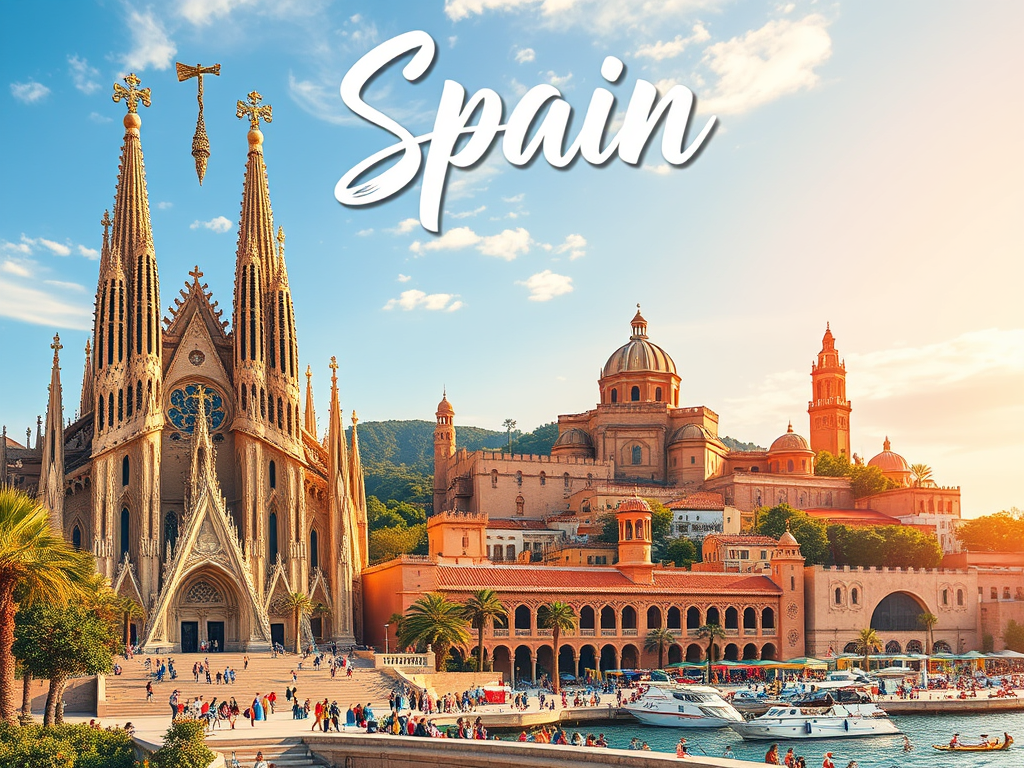

Spain is our current Country in the Spotlight, chosen for its year-round appeal, winter sun destinations, and incredible variety for every type of traveller.
What to Pack for Spain: The Complete Travel Packing List

Spain is one of Europe’s most diverse and rewarding travel destinations. From historic cities and vibrant culture to sun-soaked coastlines, island escapes, and relaxed daily life, Spain offers something for every type of traveller — all year round.
Whether you’re planning a winter sun escape, a city break, a solo adventure, or a longer European trip, this complete Spain travel guide covers when to go, where to visit, what to pack, costs, and practical tips to help you plan with confidence.
Why Visit Spain?
Spain consistently ranks as one of Europe’s most visited countries — and for good reason.
Spain offers:
- Warm weather (even in winter)
- World-class cities and architecture
- Beautiful beaches and islands
- Excellent food and wine
- Affordable travel compared to many Western European countries
- A relaxed, social culture
Spain works just as well for:
- First-time Europe trips
- Solo travellers
- Couples
- Slow travel
- Winter escapes
- Budget-conscious travellers
It’s easy to love — and easy to return to.
Best Time to Visit Spain
Spain is a true year-round destination, but different regions shine in different seasons.
Spring (March–May)
One of the best times to visit.
- Mild temperatures
- Fewer crowds
- Ideal for sightseeing and city breaks
Best for: Seville, Madrid, Barcelona, Andalusia
Summer (June–August)
Peak season.
- Hot temperatures (especially inland)
- Coastal areas and islands are busiest
- Festivals and long evenings
Best for: Beaches, Balearic Islands, northern Spain
Avoid inland cities during heatwaves.
Autumn (September–October)
Another excellent season.
- Warm but comfortable weather
- Harvest season
- Fewer tourists
Best for: City breaks, food travel, countryside regions
Winter (November–February)
Spain truly shines in winter.
- Mild temperatures in the south
- Excellent winter sun
- Fewer crowds
Best for: Canary Islands, Andalusia, city breaks
Best Places to Visit in Spain
Spain’s diversity means every region feels different.
Barcelona
- Architecture by Gaudí
- Beaches + city life
- Vibrant food scene
Madrid
- Art museums and royal history
- Lively neighbourhoods
- Excellent transport connections
Seville
- Flamenco culture
- Moorish architecture
- Warm winters
Valencia
- Modern meets historic
- Paella birthplace
- Less crowded than Barcelona
Andalusia
- White villages
- Moorish history
- Warm climate year-round
Canary Islands
- Winter sun destination
- Volcanic landscapes
- Great for relaxed escapes
Balearic Islands
- Mallorca, Menorca, Ibiza
- Beaches, hiking, nightlife
- Best outside peak summer
Northern Spain
- Cooler climate
- Green landscapes
- Excellent food regions (Basque Country, Galicia)
Hidden Gems in Spain: Real Beaches, Towns & Places Locals Love
Spain is famous for its beaches, cities, and resorts — but some of the most rewarding experiences happen just beyond the most popular tourist hotspots. These hidden gems in Spain offer beautiful scenery, calmer surroundings, and better value, making them ideal for travellers who want a more relaxed and authentic trip.
This section highlights less-crowded beaches, underrated towns, and great places to stay, all chosen for their atmosphere, accessibility, and real-world travel appeal.
🌊 Hidden Gem Beaches in Spain (Quiet, Scenic & Unspoilt)
Playa de Bolonia – Andalusia
Playa de Bolonia is one of southern Spain’s most beautiful beaches, yet it remains surprisingly uncrowded. Located near Tarifa, it features soft sand, shallow water, and natural dunes, making it ideal for families and relaxed beach days. The nearby Roman ruins of Baelo Claudia add historical interest without turning the area into a busy tourist zone.
Best for: Families, nature lovers, slow travel
Good to know: Facilities are limited, which helps keep crowds low
Cala Mitjana – Menorca
Menorca is far quieter than Mallorca or Ibiza, and Cala Mitjana is a perfect example of why. This small cove has clear turquoise water, pine trees for shade, and a calm atmosphere that suits swimmers and snorkellers. Access involves a short walk, which naturally filters out large crowds.
Best for: Swimming, snorkelling, peaceful beach days
Good to know: Arrive early in summer for the calmest conditions
Playa del Silencio – Northern Spain
On Spain’s northern coast, Playa del Silencio offers a dramatic contrast to Mediterranean beaches. Surrounded by cliffs and greenery, this crescent-shaped beach is cooler, quieter, and ideal for travellers seeking scenery over sunbeds.
Best for: Couples, photographers, quiet escapes
Good to know: Water temperatures are cooler year-round
🏨 Underrated Towns & Places to Stay in Spain
Vejer de la Frontera – Andalusia
Instead of staying in busy coastal resorts, many travellers base themselves near Vejer de la Frontera, a white hilltop town close to some of Andalusia’s best beaches. The area offers countryside villas, small hotels, and apartments with more space and better value than large resorts.
👉 Browse hotels and rural stays in Vejer de la Frontera
Why it works: Space, calm atmosphere, easy beach access
Best for: Families, longer stays, road trips
Comillas – Cantabria
Comillas is a small coastal town in northern Spain with beaches, historic architecture, and a relaxed pace of life. It attracts far fewer international tourists than southern destinations, yet offers excellent accommodation and walkable surroundings.
👉 Find guesthouses and small hotels in Comillas
Why it works: Local feel, mild summer temperatures
Best for: Scenic drives, cultural travel, quieter holidays
Sitges – Catalonia
Sitges is often overlooked by travellers heading straight to Barcelona, yet it offers beaches, excellent restaurants, and a calmer base with fast train connections to the city. Staying here allows you to enjoy Barcelona without dealing with crowds or high accommodation prices.
👉 View accommodation options in Sitges
Why it works: Balance of culture and relaxation
Best for: Families, couples, city-plus-beach trips
🍽 Hidden Gem Food Experiences in Spain
Menu del Día Restaurants
Across Spain, small local restaurants offer a fixed-price lunch menu known as menu del día. These meals typically include a starter, main course, dessert, bread, and a drink, offering excellent value and a glimpse into everyday Spanish life.
Where to look: Residential neighbourhoods or one street away from main squares
Best for: Affordable, authentic meals
Family-Run Tapas Bars in Smaller Towns
In towns such as Ronda or Cadaqués, tapas bars often focus on just a few dishes done well. These spots tend to have handwritten menus, locals at the bar, and a relaxed pace.
Best for: Casual evenings, local atmosphere
Good to know: Peak times are later than in northern Europe
Local Bakeries for Easy Travel Days
Spanish bakeries are ideal for breakfasts, snacks, or picnic lunches. Fresh bread, empanadas, pastries, and sandwiches make them a practical and budget-friendly option, especially when travelling with children.
Why Choose Hidden Gems in Spain?
Choosing quieter beaches, smaller towns, and locally loved food spots allows you to:
- Avoid peak-season crowds
- Keep accommodation costs lower
- Travel at a calmer pace
- Experience Spain beyond the tourist trail
Often, the difference between an overwhelming trip and a memorable one comes down to where you base yourself and how far you step away from the obvious choices.
Helpful Next Step
Travelling with children? Our Family Travel Guide includes practical advice for visiting Spain with babies, toddlers, kids, and teens — from packing tips to pacing your itinerary.
Things to Do & Travel Experiences in Spain
Spain is a country built around experience and lifestyle.
Popular experiences include:
- Tapas crawls and food tours
- Flamenco shows
- Historic walking tours
- Beach and island hopping
- Scenic train journeys
- Local markets and festivals
Spain rewards travellers who slow down and embrace daily life.
👉 15 Charming Villages in Spain That Will Steal Your Heart
Solo Travel in Spain
Spain is one of the best countries in Europe for solo travel.
Why Spain is great for solo travellers
- Safe and social culture
- Excellent public transport
- Affordable accommodation
- Easy to meet people
- Walkable cities
Safety
Spain is generally very safe.
Normal precautions are enough, especially in busy tourist areas.
Costs & Budget Tips for Spain
Spain is more affordable than many Western European destinations.
Average Daily Costs
- Budget: €50–80
- Mid-range: €100–160
- Higher-end: €200+
Ways to Save Money
- Travel in spring or autumn
- Eat where locals eat
- Use trains and buses
- Stay outside city centres
- Book attractions in advance
Spain offers excellent value for food, accommodation, and experiences.
What to Pack for Spain
Packing depends on season and region, but versatility is key.
Essentials
- Comfortable walking shoes
- Lightweight clothing
- Layers for evenings
- Daypack or crossbody bag
- Reusable water bottle
A lightweight travel jacket is especially useful in spring, autumn, and winter evenings.
👉Waterproof Poncho Adult, Reusable Rain Poncho Lightweight Waterproof
Packing cubes help organise luggage, especially for multi-city or island trips.
👉 Samfolk Compression Packing Cubes Extensible Organizer Bags For Travel Suitcase Organization
Getting Around Spain
Spain has one of Europe’s best transport networks.
Trains
- High-speed trains connect major cities
- Comfortable and reliable
- Often faster than flying domestically
Buses
- Excellent coverage
- Very affordable
- Ideal for smaller towns
Car Rental
- Useful in rural areas
- Not necessary for cities
Practical Travel Tips for Spain
- Language: Spanish (English widely spoken in tourist areas)
- Tipping: Not expected but appreciated
- Meal times: Dinner is often late (8–10pm)
- Shops: Some close mid-afternoon
- Water: Tap water is safe to drink
Spain Travel FAQ
Is Spain safe to visit?
Yes. Spain is one of Europe’s safest destinations.
Is Spain good for winter travel?
Absolutely. Southern Spain and the Canary Islands are ideal winter sun destinations.
Is Spain good for solo travellers?
Yes. Spain is social, affordable, and easy to navigate alone.
How many days do you need in Spain?
7–10 days for a first trip, longer for regional exploration.
Is Spain expensive?
Spain is generally affordable compared to many European countries.
Final Thoughts
Spain offers an incredible balance of culture, climate, affordability, and lifestyle. Whether you’re travelling solo, planning a winter escape, or exploring Europe more deeply, Spain delivers memorable experiences without complication.
As your second Country in the Spotlight, Spain strengthens your site’s authority while offering year-round relevance and strong search demand.
Explore Related Travel Planning Guides
Best Time to Visit Destinations Worldwide
Month-by-month travel weather guides and seasonal planning tips.
Travel Planning Guides & Itineraries
Routes, budgets, packing lists and expert trip-planning advice.
Euro & UK City Breaks and Short Escapes
Weekend trips, European cities and quick getaway inspiration.
Luxury & Honeymoon Travel Ideas
Romantic escapes, premium destinations and once-in-a-lifetime trips.
Leave a Reply