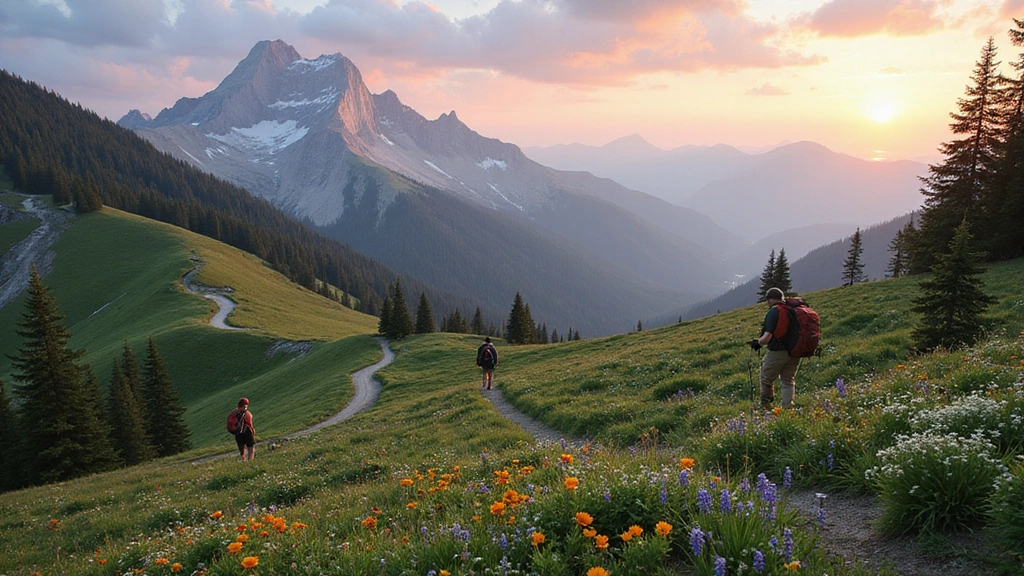

Imagine stepping out of your doorstep into a world where the air is crisp, the mountains stand tall, and the trails beckon with promises of adventure. Hiking trips can transform your ordinary weekend into an extraordinary escape, inviting you to connect with nature and rejuvenate your spirit.
From the vibrant hues of fall foliage to the shimmering snow-covered peaks, every season offers a unique backdrop for your outdoor fun. With so many trails to choose from, finding the right one can feel overwhelming. This guide is designed to help you navigate the world of hiking adventures, making it easier than ever to pick the trail that fits your style, skill level, and desires. Buckle up; your perfect mountain escape awaits!
Contents
- 1. Assess Your Skill Level
- 2. Determine Your Desired Experience
- 3. Consider the Weather and Season
- 4. Research Trail Recommendations
- 5. Gear Up! Essential Hiking Equipment
- 6. Plan Your Hiking Route
- 7. Pack Smart and Light
- 8. Understand Trail Etiquette and Safety
- 9. Capture the Moments
- 10. Leave No Trace: The Principles of Environmental Stewardship
- 11. Monitor Your Health and Fitness
- 12. Choose the Right Hiking Companion
- 13. Discover Local Hiking Clubs & Groups
- 14. Embrace Technology for Enhanced Adventures
- 15. Reflect on Your Adventure
1. Assess Your Skill Level

Before embarking on a hiking trip, it’s essential to consider your skill level. Are you a novice who just bought your first pair of hiking boots, or a seasoned pro who tackles the toughest trails? Knowing where you stand will dictate the difficulty of the trails you should venture on.
For beginners, opt for well-marked paths with gentle inclines that provide a manageable challenge. Intermediate and advanced hikers can seek out more technical trails that test stamina and endurance. Remember, hiking isn’t just about reaching the summit; it’s about enjoying the journey.
Tip: Always start with shorter hikes and gradually build up your endurance. Consider joining a local hiking group or find a buddy to ensure safety on more challenging paths.
When evaluating trails, look for ratings (easy, moderate, difficult) and read reviews specific to your skill set. Websites like AllTrails and local hiking forums are great resources. Keep an eye out for elevation gain and trail length; these can significantly impact your hiking experience.
A good rule of thumb is to choose trails where you feel both challenged and safe, ensuring an enjoyable and rewarding outdoor fun experience.
2. Determine Your Desired Experience

What do you want from your hiking adventure? Are you looking for solitude, breathtaking views, or an opportunity for photography? Different trails cater to different desires, so pinpointing your goal is key.
If a serene escape is what you crave, seek trails that are off the beaten path, perhaps in lesser-known national parks or during non-peak hours. But if you want to bask in stunning vistas, prioritize trails known for their panoramic overlooks. For photography enthusiasts, consider routes that offer dramatic landscapes at sunrise or sunset for the best lighting.
Tip: Carry a lightweight camera or smartphone to capture those unforgettable moments, but don’t forget to take breaks to soak in the beauty and appreciate where you are. It’s tempting to rush to get the perfect shot, but some of the best memories happen when you’re not behind the lens.
Another great idea is to combine hiking with your hobbies—bird watching, for example, can transform an ordinary hike into an extraordinary exploration of nature’s wildlife. Let your interests guide your trail selection, enhancing both the enjoyment and overall experience.
The beauty of hiking is that there’s a trail for everyone, so take the time to find one that resonates with what you’re seeking.
3. Consider the Weather and Season

Weather can make or break your hiking trip. Knowing the best time to hit the trail is crucial for a safe and enjoyable experience.
Spring and fall often present the most pleasant temperatures and stunning scenery, with blooming wildflowers in spring and vibrant foliage in fall. Summer hikes can be rewarding but often come with sweltering heat, so early morning or late afternoon ventures are ideal. On the other hand, winter hiking offers a magical experience, but it demands extra preparation—think layers and winter gear.
Tip: Always check weather conditions a day or two before your hike and be prepared for sudden changes. Carry a lightweight rain jacket, just in case, and pack extra snacks to keep your energy up!
Additionally, research the specific trail’s conditions. Some trails may be closed in winter due to snow or become muddy in spring, while others flourish with wildflowers and wildlife. Look for seasonal trail recommendations that highlight the unique flora and fauna you might encounter on your adventure.
4. Research Trail Recommendations

With so many hiking trails available, researching trail recommendations can simplify your decision. Utilizing online resources, guidebooks, and local hiking clubs is an effective way to discover hidden gems and popular favorites.
Websites like AllTrails, Hiking Project, and even social media platforms can provide first-hand accounts, photos, and essential tips from fellow hikers. Reviews can help you snag the perfect trail for your skill level while highlighting important aspects like scenic viewpoints, wildlife sightings, and trail conditions.
Tip: Don’t hesitate to reach out to local hiking groups or clubs—they often have insiders’ knowledge on trails, especially those that may not be well-known. A local guide can provide invaluable insights and enhance your hiking experience.
Also, keep your personal interests in mind. Do you prefer rugged terrains or gentle slopes? Are you a fan of waterfalls or panoramic views? Filtering your research based on these preferences can help narrow down your choices. With the right information at hand, you’re likely to find a trail that aligns with your desires and skills, making your hike all the more rewarding.
5. Gear Up! Essential Hiking Equipment

Your hiking adventure will largely depend on the gear you bring along. Proper equipment ensures safety, comfort, and enjoyment, allowing you to focus on the beauty around you.
Start with quality footwear—hiking boots or shoes that provide support and good traction are non-negotiable. Follow that up with breathable clothing suitable for the climate, keeping in mind layers for temperature fluctuations. Don’t forget a sturdy backpack to carry your essentials, which should include food, water, a first-aid kit, and navigation tools.
Tip: Invest in quality gear that suits your hiking style. If you plan to hike often, it’s worth spending a little more on well-made shoes and packs. You can find great deals on last season’s gear, especially online or at outdoor gear outlets.
Consider specialized items based on your destination. For instance, trekking poles can offer stability on uneven terrain, while a hydration system can keep you hydrated without constantly stopping to pull out a water bottle. Tailoring your gear selection to the specific demands of your hiking trip can ultimately enhance your experience.
6. Plan Your Hiking Route

Creating a solid plan for your hiking route is crucial for both navigation and enjoyment. Start by selecting your trail and check the distance, estimated time, and elevation changes. This information will help you gauge the time required and prepare accordingly.
Map out a route that aligns with your physical abilities, desired pacing, and the experiences you want to have. Stopping at scenic viewpoints or resting areas can turn a simple hike into a delightful adventure. Check for any waypoints along the trail that might allow you to explore side paths, making your journey even more enriching.
Tip: Utilize trail apps or GPS devices to help with navigation, especially on less-marked trails. This way, you can easily adjust your route if you feel the need to explore more or shorten your hike. Having a physical map as backup is a good idea, too!
Be sure to share your itinerary with someone you trust. Let them know when you expect to return, and keep an eye on the time while hiking. Planning your route doesn’t have to be rigid; being flexible can open up new adventures while still keeping you safe.
7. Pack Smart and Light

When it comes to hiking, packing smart and light can significantly enhance your outdoor fun. Carrying too much weight can lead to fatigue, making the experience less enjoyable. Start with the essentials—water, snacks, navigation tools, and first-aid supplies.
A good rule of thumb is to limit your pack to 10-15% of your body weight. Choose lightweight, compact items—think energy bars instead of heavy meals, and a collapsible water bottle. Consider bringing multipurpose items to save on space, like a bandana that can serve as a sweatband, sunblock, and even a first-aid item in a pinch.
Tip: Practice packing and adjust as necessary. Pack your bag the night before your trip to avoid last-minute additions that can weigh you down. Remember, less is more; focusing on quality over quantity can lead to a much better experience on the trail.
Also, don’t forget to double-check your pack before leaving. Ensure you’ve included crucial items but also consider the weight you’re willing to carry. Every ounce counts when you’re out in the wild.
8. Understand Trail Etiquette and Safety

Hiking is all about enjoying nature while being respectful to the environment and fellow hikers. Understanding trail etiquette is essential in preserving trails and ensuring everyone has a pleasant experience. Always yield to hikers going uphill, and if you’re on a multi-use trail, be courteous to cyclists and horseback riders.
Keep noise levels down, and pack out what you pack in. This helps maintain the natural beauty for all to enjoy. Familiarize yourself with Leave No Trace principles to minimize your impact on nature.
Tip: Carry a small trash bag in your pack to collect any litter found on the trail—this simple act can make a huge difference. Also, check for any local regulations or guidelines specific to the area you’re hiking in, as some trails may have unique requirements.
On the safety front, always be aware of your surroundings and know your limits. Trust your instincts; if a particular trail section looks too challenging, it’s okay to turn back. Having safety gear like a whistle, headlamp, and map can be lifesavers. Educating yourself on the trail’s wildlife can also enhance your hiking experience while keeping you safe.
9. Capture the Moments

Your hiking trip is a collection of moments that deserve to be captured. Documenting your adventure through photographs or journaling allows you to reflect on your experiences long after the hike is over.
Bring a camera or use your smartphone to snap photos of breathtaking views, unique flora, and fun moments with friends. Consider using a portable phone charger to ensure your devices remain powered up throughout the day.
Tip: Don’t just take pictures of the scenery; capture candid moments with fellow hikers—you’ll cherish those memories even more. After your hike, compile your journey into a scrapbook or digital album, blending images and words to tell your story.
Creating a hike-specific journal can also be a wonderful way to recount your experiences. Write down thoughts, feelings, and even a sketch or two of the breathtaking views you encountered along the way. This not only makes for a great memento but can inspire future hiking adventures.
Explore different creative outlets like photography or art to express your adventure uniquely; this adds a layer of fun to your hikes!
10. Leave No Trace: The Principles of Environmental Stewardship

As we venture into nature, it’s essential to adopt practices that preserve the environment for future generations. The Leave No Trace principles offer guidelines on minimizing our impact while enjoying the great outdoors.
Start by planning ahead and preparing, as this sets the stage for a responsible adventure. Stick to marked trails to prevent erosion and avoid trampling delicate vegetation. Keep your distance from wildlife and never feed them; it disrupts their natural behaviors.
Tip: Carry a compact trash bag to collect litter you might encounter on your hike, along with your own waste. Respect campfire restrictions; campfires can cause damage to the landscape and pose fire hazards.
By educating ourselves and adhering to these principles, we not only enhance our own outdoor experiences but also help protect the beautiful trails we cherish. Engage with local conservation groups to learn about volunteer opportunities, allowing you to give back to the wilderness that provides us with so much joy.
Nature is our playground; let’s take care of it!
11. Monitor Your Health and Fitness

As you plan your hiking trip, it’s important to take your health and fitness into account. Hiking can be physically demanding, and being in good shape will enhance not only your performance but also your enjoyment. Focus on building endurance before your trip, gradually increasing your activity level.
Start with shorter, easier hikes, and incorporate regular cardio workouts into your routine. Simple activities like walking, jogging, or biking can help prepare your body for the rigors of hiking. Being mindful of your nutrition is crucial too; fueling your body with healthy foods will give you the energy needed for your adventure.
Tip: Stay hydrated before, during, and after your hike. Carry enough water to prevent dehydration, and streamline your food choices by opting for energy-boosting snacks like nuts, granola bars, or dried fruit.
Also, listen to your body. If you feel fatigued or unwell, take breaks or even consider cutting your hike short. Safety should always come first, and knowing your limits will lead to a more enjoyable experience.
12. Choose the Right Hiking Companion

Selecting the perfect hiking companion can greatly influence your hiking experience. Whether you prefer the company of friends, family, or solo hikes for some peace and quiet, it’s vital to choose someone who shares similar interests and hiking goals.
If you’re new to hiking, opt for a buddy who can offer encouragement and knowledge. Experienced hikers can help share insights, while those at your skill level can foster a sense of camaraderie. Discuss preferences beforehand—pacing, difficulty, and interests—to ensure everyone enjoys the hike.
Tip: Don’t shy away from solo hikes! They can be incredibly liberating, allowing you to explore at your own pace. Just ensure you inform a friend or family member of your plans and carry essentials like a map or GPS device for safety.
The right hiking partner can make challenging trails feel less daunting and add to the joy of discovering new paths. Building memories with friends while traversing beautiful trails makes the experience all the more rewarding.
13. Discover Local Hiking Clubs & Groups

Joining local hiking clubs or groups can enhance your hiking experience immensely. These communities are often rich in knowledge, offering guidance on trails, tips on gear, and a chance to meet fellow outdoor enthusiasts. They can help you discover hidden gems in your area that you might not have known about otherwise.
Participating in group hikes can also provide a sense of camaraderie and safety, especially on more challenging trails. It’s a great way to learn from experienced hikers and share your own insights with others.
Tip: Check websites or social media for local hiking clubs operating in your area. Many clubs organize group hikes, events, and workshops to help you improve your skills. This can lead to lasting friendships rooted in a shared passion for adventure.
Don’t forget to explore virtual hiking groups as well; these communities can offer support and encouragement from the comfort of your home. Engaging with others on social media platforms can keep you inspired and excited about your next hiking adventure.
14. Embrace Technology for Enhanced Adventures

Technology can be your best friend when it comes to planning and enjoying your hiking trips. There are numerous apps available that assist with everything from route tracking to identifying plants and animals along the trail. Utilizing technology makes the experience even richer and can enhance your safety.
Apps like AllTrails and Komoot can provide detailed trail maps, user reviews, and GPS tracking, ensuring you never lose your way. Others like iNaturalist can help you identify flora and fauna, enriching your understanding of the ecosystem you’re exploring.
Tip: Consider using a smartwatch or GPS device for navigation. These tools can provide real-time updates on your route and even monitor your heart rate and physical exertion levels.
While technology is vital, remember to unplug periodically and immerse yourself in the natural world. Snap photos, take a moment to breathe, and truly appreciate the beauty around you. Embrace the balance between digital support and the joy of being present in nature.
15. Reflect on Your Adventure

After your hiking trip, take a moment to reflect on your adventure. Grab your journal, a cup of tea, and jot down your thoughts—the challenges you faced, the beauty you encountered, and the memories you made. Reflection not only helps solidify your experiences but also paves the way for future adventures.
Consider creating a photo album or scrapbook combining your favorite images and memories from the trip. Sharing your journey with friends and family adds a lovely layer of connection, and you might inspire others to explore the trails as well.
Tip: If you hiked with a group, consider creating a shared album or group chat to compile everyone’s photos and experiences. This fosters a sense of community and lets everyone relive the adventure together.
Embracing the lessons learned during your hikes can help shape your future adventures. Each time you step onto a trail, remember the joy and beauty that nature has to offer!
Conclusion

Finding the perfect hiking trip is all about aligning your desires, skills, and the beauty of the trails available. With the right planning and mindset, you can embark on an adventure that not only fulfills your need for outdoor fun but also creates lasting memories.
Enjoy the preparation, and remember that every hike is a new opportunity to explore the wonders of nature. So pack your gear, invite your favorite hiking buddy, and get ready for an unforgettable journey in the mountains!
Leave a Reply