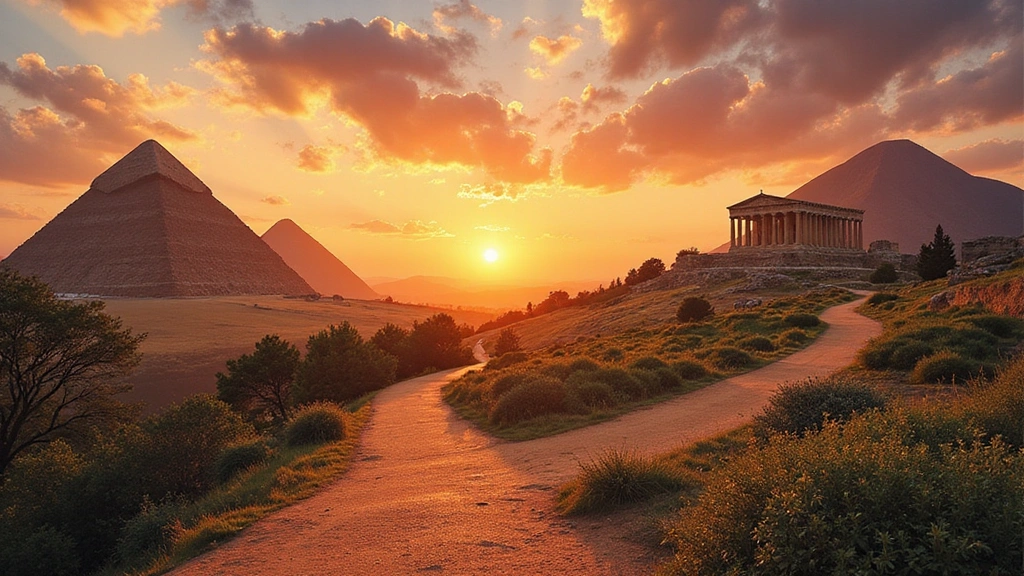

Traveling through the echoes of ancient civilizations is like walking through a time machine, where every stone tells a story and every ruin sparks a sense of wonder.
From the majestic pyramids of Egypt to the serene temples of Greece, historical exploration opens a portal to cultures that shaped our world.
Whether you are a history buff or simply looking for a unique travel experience, this guide will take you on a journey through the most captivating ancient sites. Get ready to unleash your inner explorer and let the past guide your adventures!
Prepare to be inspired as we unveil the steps for your next historical journey, filled with tips and insights that will make your ancient travel unforgettable.
Contents
- 1. Research the Ancient Sites You Want to Visit
- 2. Plan Your Itinerary Around Historical Events
- 3. Choose Authentic Accommodations
- 4. Engage with Local Historians and Guides
- 5. Taste the Ancient Flavors
- 6. Discover Off-the-Beaten-Path Sites
- 7. Document Your Journey
- 8. Interact with Local Communities
- 9. Embrace Sustainable Travel Practices
- 10. Capture the Essence of History in Your Souvenirs
- 11. Understand the Cultural Context
- 12. Use Technology to Enhance Your Experience
- 13. Attend Local Workshops and Classes
- 14. Join Guided Tours Focused on History
- 15. Reflect on Your Experiences
1. Research the Ancient Sites You Want to Visit

Before you pack your bags, take some time to dive into the rich history of the places you want to visit.
Understanding the significance of each site will enhance your experience, allowing you to appreciate the stories behind the stones. Look for documentaries, books, and reputable websites that showcase the wonders of ancient civilizations. Consider joining online forums where history enthusiasts share their insights and travel tips.
Moreover, note down interesting facts or legends that you can share with fellow travelers during your trip. This preparation not only fuels your excitement but also makes your journey more meaningful.
Here are a few tips to help you research effectively:
– Utilize platforms like Google Scholar or JSTOR for academic articles.
– Watch documentaries on platforms like Netflix or YouTube.
– Join history-focused Facebook groups or Reddit threads.
By immersing yourself in the history beforehand, you’ll develop a deeper connection to the sites you visit, making every step feel significant.
Suggested products: Travel guidebooks, portable Wi-Fi routers for research on-the-go, history documentaries on DVD.
2. Plan Your Itinerary Around Historical Events

Timing can truly enrich your ancient travel experience, especially when you align your trip with historical events or festivals.
Many ancient sites host reenactments or festivals that bring history to life, such as the Roman gladiator games or the summer solstice at Stonehenge. Research local calendars to find events that celebrate the culture and history of the area you’re visiting.
This can lead to unforgettable moments, like witnessing traditional dances at a Mayan temple or participating in a local harvest festival in Tuscany. Additionally, consider guided tours that focus on the historical significance of the sites, where knowledgeable guides narrate captivating tales that transport you back in time.
Here are a few suggestions to enhance your itinerary:
– Look for guided tours that highlight historical events.
– Check local tourism boards for upcoming festivals.
– Be flexible with your schedule to allow for spontaneous adventures.
Planning around historical events not only adds depth to your travels but also connects you with the local culture in a way that standard sightseeing cannot.
Suggested products: Tour packages for historical events, local festival guides, portable phone chargers for capturing memories.
3. Choose Authentic Accommodations

Where you stay can greatly influence your experience of ancient civilizations. Instead of opting for generic hotels, seek out accommodations that reflect the local culture and history.
Consider staying in a traditional riad in Morocco, a historical inn in Italy, or even a converted ancient castle. These unique lodgings not only offer a glimpse into the local lifestyle but also create a more immersive experience.
Many historical sites are often surrounded by quaint towns or villages with their own stories to tell. Staying nearby allows you to explore these areas at your leisure, soaking in the atmosphere and interacting with locals.
Here are some tips for finding authentic accommodations:
– Look for boutique hotels or guesthouses that emphasize local architecture.
– Check platforms like Airbnb for unique stays.
– Read reviews focusing on historical charm and authenticity.
Choosing the right place to stay enhances your journey, making you feel connected to the ancient world.
Suggested products: Travel pillows for comfort during your stay, local cuisine cookbooks for in-room dining experiences, travel insurance for peace of mind.
4. Engage with Local Historians and Guides

While guidebooks are helpful, nothing compares to firsthand knowledge from local historians or expert guides.
These individuals often have unique insights and stories that bring historical sites to life. By engaging with them, you’ll not only gain a deeper understanding of the culture but also discover hidden gems that aren’t in the typical tourist guides.
Consider joining smaller, local tours where you can ask questions and share your interests. Many historians also conduct workshops or lectures, allowing visitors to explore specific aspects of ancient civilizations in greater depth.
Here are some suggestions for getting the most out of your interaction:
– Ask open-ended questions to spark interesting conversations.
– Look for tours that focus on specific themes, like architecture or mythology.
– Participate in workshops that allow for hands-on learning.
Connecting with local historians enriches your travel experience, making it not just a visit, but an enlightening journey through time.
Suggested products: Notebooks for jotting down insights, audio recorders for capturing stories, local history books to deepen understanding.
5. Taste the Ancient Flavors

Food is a vital part of any culture and offers a delicious way to connect with ancient civilizations.
While exploring historical sites, don’t miss the chance to taste local dishes that have their roots in ancient recipes. Try traditional meals cooked in the same way they were centuries ago, such as Roman-style bread or Greek moussaka. Many regions also host cooking classes that allow you to learn about the ingredients and methods used in ancient cuisine.
Visiting local markets is also a fantastic way to experience the food culture. Here, you can discover unique spices, oils, and produce that have been staples in the region for generations.
Here are some food-related tips to enhance your journey:
– Seek out restaurants that emphasize traditional cooking methods.
– Participate in food tours that focus on historical dishes.
– Visit local markets to explore and taste fresh ingredients.
Eating your way through ancient civilizations is not just about the food; it’s about experiencing the culture and history with every bite.
Suggested products: Cooking class vouchers, local spice kits, travel-friendly utensils.
6. Discover Off-the-Beaten-Path Sites

While famous ancient sites like the Pyramids or the Colosseum draw enormous crowds, there are countless lesser-known treasures waiting to be discovered.
These hidden gems often provide a more intimate experience, allowing you to wander through ruins without the throngs of tourists. Research lesser-known sites that hold historical significance or unique stories. For example, the ancient city of Petra in Jordan is stunning, but nearby sites like Little Petra offer a quieter alternative.
Additionally, consider visiting archaeological sites that are still being excavated, where you can witness history in the making. Many of these sites also offer guided tours that provide fascinating insights into ongoing research and preservation efforts.
Here are a few tips for finding these off-the-beaten-path locations:
– Use travel blogs and forums to discover hidden sites.
– Speak with locals for their recommendations.
– Look for archaeological tours that focus on lesser-known areas.
Exploring these hidden sites adds a sense of adventure to your journey, making you feel like a true explorer.
Suggested products: Travel guides focusing on hidden gems, portable GPS devices, local maps.
7. Document Your Journey

Capturing your experiences is essential, especially when exploring the wonders of ancient civilizations.
Whether it’s through photographs, journals, or videos, documenting your journey helps preserve memories and allows you to reflect on your adventures long after they’re over. Consider keeping a travel journal where you can write down your thoughts, sketches, or even quotes from local guides.
Photography is another fantastic way to capture the beauty of ancient sites. Try experimenting with different angles and lighting to create stunning visuals. Additionally, consider using social media to share your experiences in real-time, connecting with others who share your passion for history.
Here are some tips for documenting effectively:
– Invest in a good-quality camera or smartphone.
– Use apps to organize your photos and notes.
– Set aside time each day to reflect and write in your journal.
Documenting your journey not only enriches your experience but also inspires others to embark on their historical adventures.
Suggested products: Quality travel journals, photography equipment, portable chargers for devices.
8. Interact with Local Communities

One of the most rewarding aspects of ancient travel is the opportunity to connect with local communities.
Engaging with residents can provide insights into how ancient civilizations have shaped their lives today. Seek out community events, local markets, or workshops that allow you to interact with locals. This not only enriches your understanding of history but also fosters meaningful connections.
Consider volunteering for a conservation project at a historical site, where you can give back while learning more about the culture. Many communities appreciate visitors who show a genuine interest in their history and traditions.
Here are some suggestions for connecting with locals:
– Attend cultural events or festivals.
– Participate in local workshops or classes.
– Volunteer for community projects or conservation efforts.
Building relationships with local communities makes your travels more authentic and memorable, turning your journey into a shared experience.
Suggested products: Volunteer program brochures, local language phrasebooks, community event calendars.
9. Embrace Sustainable Travel Practices

As you explore ancient civilizations, it’s vital to consider the impact of your travels on these historical sites and local communities.
Embracing sustainable travel practices helps preserve cultural heritage for future generations while supporting local economies. Start by being aware of your carbon footprint—opt for public transportation or consider walking or biking when possible. Additionally, choose eco-friendly accommodations and support local businesses that prioritize sustainability.
When visiting historical sites, respect the rules and guidelines to protect these treasures. Avoid touching artifacts and stay on designated paths to minimize wear and tear.
Here are some sustainable travel tips:
– Choose eco-friendly travel options like trains or buses.
– Support local artisans by purchasing handmade goods.
– Participate in conservation efforts when possible.
By practicing sustainability, you contribute to the preservation of ancient wonders, ensuring that they remain for generations to come.
Suggested products: Eco-friendly travel gear, reusable water bottles, carbon offset programs.
10. Capture the Essence of History in Your Souvenirs

Bringing home souvenirs that reflect the history of the places you visit is a wonderful way to keep the memories of your travels alive.
Instead of typical trinkets, look for authentic items that represent the culture and history of ancient civilizations. Handmade crafts, local art, or even traditional clothing can serve as meaningful reminders of your journey.
When purchasing souvenirs, consider visiting local markets or artisan shops to support the community directly. Ask about the history or significance of the items you’re interested in, as this adds another layer of appreciation.
Here are some tips for choosing meaningful souvenirs:
– Look for items made from local materials.
– Ask artisans about their craft and its history.
– Consider experiences like cooking classes or cultural workshops as unique souvenirs.
Choosing meaningful souvenirs not only enriches your travel experience but also allows you to share the culture and history with others back home.
Suggested products: Travel bags for souvenirs, artisan-crafted items from local shops, cultural experience gift vouchers.
11. Understand the Cultural Context

When visiting ancient sites, it’s crucial to grasp the cultural context that surrounds them.
Understanding the beliefs, customs, and historical events that shaped these civilizations will deepen your appreciation and respect for what you’re experiencing. Before visiting a site, research its significance in the broader narrative of the civilization. For instance, knowing the importance of the Temple of Karnak in ancient Egyptian religion will enhance your visit.
Consider reading up on the mythology, art, and daily life of the people who once inhabited these lands. This knowledge will help you see beyond the ruins and appreciate the stories they tell.
Here are some ways to understand cultural context better:
– Read books or watch documentaries focused on the specific civilization.
– Attend lectures or workshops that delve into historical themes.
– Engage with local historians or guides who can share insights.
By understanding the cultural context, you become a more informed traveler, allowing you to connect with the ancient world on a deeper level.
Suggested products: Books on ancient cultures, history-themed documentaries, tickets to local lectures or workshops.
12. Use Technology to Enhance Your Experience

In today’s digital world, technology can significantly enhance your exploration of ancient civilizations.
Apps and virtual guides can provide real-time information about historical sites, offering insights that enrich your visit. Consider downloading apps that offer augmented reality experiences, allowing you to see reconstructions of ancient buildings or interact with historical figures as you walk through the ruins.
Moreover, many museums now feature audio guides or interactive displays that can deepen your understanding of the artifacts on display. Utilizing technology can help bridge the gap between the ancient past and your present experience.
Here are a few tech tips to enhance your travels:
– Research and download relevant travel apps before your trip.
– Use QR codes at sites for access to additional information.
– Capture your experiences using mobile photography apps.
Embracing technology can transform your journey, making history feel alive and accessible.
Suggested products: Museum audio guide rentals, travel apps subscriptions, smartphone camera accessories.
13. Attend Local Workshops and Classes

Immerse yourself in the ancient culture by participating in local workshops and classes.
Many regions offer hands-on experiences that teach traditional crafts, cooking techniques, or even ancient languages. Engaging in these activities allows you to connect with the culture on a personal level and gain a unique perspective on historical practices.
For instance, you could take a pottery class in Greece, learning techniques that date back to ancient times, or join a cooking class that explores the flavors of the ancient Mediterranean diet. These workshops often provide insights that you won’t find in a standard tour.
Here are some tips for finding and participating in workshops:
– Research local artisans or cultural centers offering classes.
– Look for travel agencies that focus on cultural immersion experiences.
– Be open to trying new things and making mistakes; it’s all part of the learning process!
Attending workshops transforms your travel experience from passive observation to active engagement, enriching your understanding of the ancient world.
Suggested products: Class vouchers for local workshops, cultural immersion travel guides, crafting supplies.
14. Join Guided Tours Focused on History

If you want to delve deeper into ancient civilizations, consider joining guided tours that focus specifically on historical themes.
These tours often feature expert guides who are passionate about history and can provide in-depth insights into the significance of various sites. Look for tours that cover specific topics, such as ancient architecture, mythology, or significant historical events. Many tour operators offer specialized itineraries that cater to history enthusiasts, allowing you to explore sites with a focus on their historical context.
This approach not only enhances your understanding but also connects you with others who share your interests.
Here are some tips for finding the right guided tours:
– Read reviews to find reputable tour companies.
– Look for tours that emphasize small group sizes for a more personal experience.
– Consider thematic tours that align with your interests, such as archaeological digs or historical reenactments.
Joining guided tours focused on history opens up a world of knowledge and connection, making your ancient travel experience truly special.
Suggested products: Guided tour packages, history-themed travel books, travel insurance for guided tours.
15. Reflect on Your Experiences

After your journey through ancient civilizations, take some time to reflect on your experiences.
Consider how your travels have shaped your understanding of history and culture, and jot down your thoughts in a journal or share them with friends. Reflecting on your journey helps solidify the memories and insights you’ve gained, making them a lasting part of your life story.
You might even want to create a scrapbook or digital album that showcases your favorite moments, including photos, ticket stubs, and notes from your travels. This can be a fun way to look back on your adventures and share them with others.
Here are some suggestions for reflecting on your experiences:
– Set aside time to write about your journey.
– Create a visual representation of your travels through scrapbooking or digital collages.
– Share your insights on social media or travel blogs to inspire others.
Reflection not only enhances your personal growth but also allows you to appreciate the rich tapestry of history you’ve encountered on your travels.
Suggested products: Scrapbooking supplies, digital photo album subscriptions, travel journals.
Conclusion

Exploring the wonders of ancient civilizations is a transformative journey that enriches your understanding of history and culture.
By following these steps, you can create a travel experience that is not only memorable but also educational and meaningful. Embrace the stories that ancient sites have to tell, connect with local communities, and allow yourself to be immersed in the beauty of history.
As you plan your next adventure, remember that each trip is an opportunity to learn and grow, so pack your bags and get ready to uncover the treasures of the past!
Leave a Reply