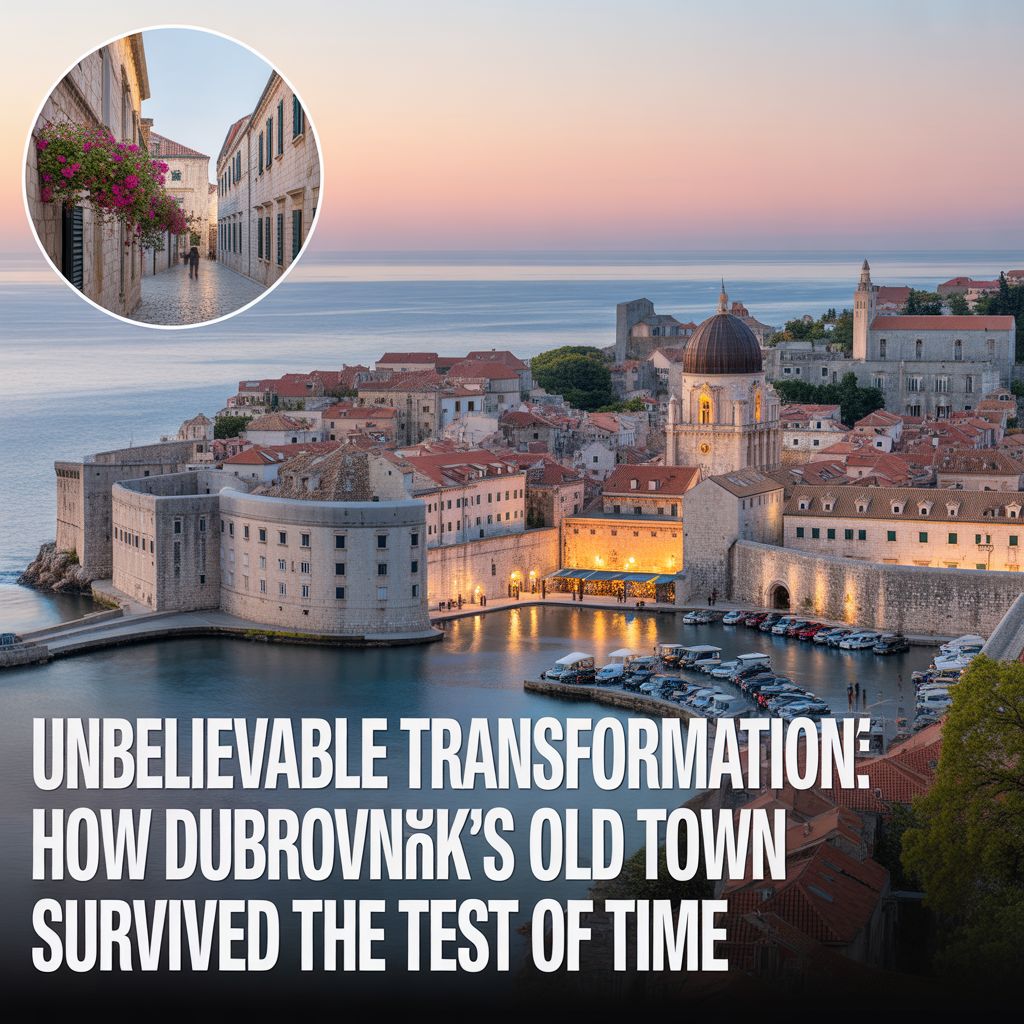

Unbelievable Transformation: How Dubrovnik’s Old Town Survived the Test of Time
There’s a reason Dubrovnik’s Old Town is often called the “Pearl of the Adriatic.” But let’s be honest—if you’d visited a few centuries ago, you might’ve found more cannonballs flying overhead than pearls on display. How did this ancient walled city go from battered battleground to bucket-list hotspot? Grab your imaginary passport, and let’s walk those shiny stone streets together.
The Walls That Whisper Stories
Ever tried to picture what it’s like living behind massive stone walls? The ones in Dubrovnik aren’t just for show. These walls are up to 82 feet tall and wrap around the Old Town for almost two kilometers. They’ve stood their ground since the Middle Ages, with the oldest parts dating back to the 9th century. Imagine building something that lasts over a thousand years—no pressure, right?
Back when pirates and invaders threatened from every direction, these walls were Dubrovnik’s lifeline. The people of the city built, repaired, and upgraded them over generations. Why? Because one weak spot could mean disaster. Would you feel safe behind these ancient barriers? Walking on top of them today, you see the same sea views that the city’s defenders once used to spot approaching ships.
Surviving Sieges, Shocks, and Shifts
If Dubrovnik’s stones could talk, they’d tell a few wild tales. The city faced sieges from the Ottomans, Venetians, and plenty of other ambitious neighbors. Not a fan of drama? Too bad—Dubrovnik was right in the thick of it. In 1667, a huge earthquake struck, flattening much of the city. Most of the beautiful Renaissance buildings you see today? They rose from those ruins. The locals didn’t just rebuild—they made improvements. That’s some serious determination.
But nature wasn’t the only enemy. In the 1990s, during the Croatian War of Independence, Dubrovnik’s Old Town was shelled for months. Over two-thirds of its buildings were hit. Instead of giving up, residents and experts from around the world came together to repair the damage. Thanks to careful restoration, you’d never guess how close the city came to losing so much history.
Old Tricks, New Life
How does a place stay lively after so many close calls? Dubrovnik figured out that protecting its history could be its ticket to the future. The city banned cars inside the Old Town, kept fast-food chains out, and even set rules about the color of shutters and awnings. Every corner is a photo waiting to happen. Have you seen those gleaming limestone streets at sunset? They look almost too perfect, but it’s all real.
People here still live and work inside the walls. Kids run through the same alleys their ancestors did. Locals shop at open-air markets and sip coffee in centuries-old squares. And yes, you’ll spot a few Game of Thrones fans snapping selfies at the gates. Who can blame them?
Protecting the Past, One Stone at a Time
Keeping the Old Town in shape isn’t easy. Rain, wind, and crowds all take their toll. Every year, teams of skilled workers patch up walls, fix roofs, and clean the famous stone streets. Want to know a secret? Some stones are so shiny because of millions of footsteps, not just fancy cleaning techniques. You can almost picture the shoes and sandals that polished them over hundreds of years.
UNESCO recognized Dubrovnik’s importance in 1979, putting it on the World Heritage list. This means experts are always debating the best ways to protect the city. Should visitors be limited? Can modern shops open up? These are the questions that keep city planners awake at night.
Moments That Changed Everything
There are a few turning points that shaped Dubrovnik. The earthquake in 1667. The siege in the 1990s. And, in recent years, the tidal wave of tourists drawn by TV fame. Each time, the city has faced tough choices. Should it rebuild exactly as before? Or is it better to adapt and keep moving forward?
What’s clear is that Dubrovnik’s spirit is just as strong as its walls. If you’ve ever wandered through the Old Town at dusk, you’ll know what I mean. The air is thick with stories, and every stone seems to have a memory.
The Magic of Everyday Life
While Dubrovnik is famous for its grand history, daily life here is filled with small wonders. Locals joke with neighbors over fresh bread. Musicians fill the squares with music. Cats nap in the sun, claiming their own little kingdoms. It’s a living city, not just a museum. Would you expect anything less from a place that’s survived so much?
So next time you see a photo of those famous red rooftops, remember that every tile, every stone, and every alley has been shaped by centuries of challenges—and a lot of heart. Dubrovnik’s Old Town isn’t just surviving the test of time. It’s making history, one day at a time.
Leave a Reply