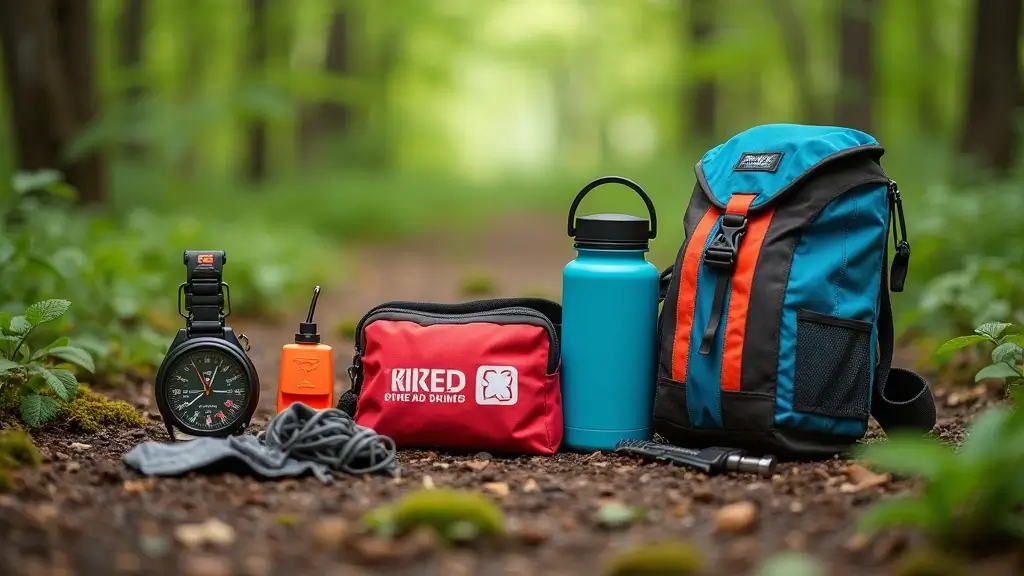

Essential Hiking Safety Gear Items. Hiking can be one of the most rewarding experiences, allowing you to connect with nature and enjoy breathtaking views. However, for beginners, it can also be a bit daunting. The right gear can make all the difference in ensuring a safe and enjoyable adventure.
From navigating unfamiliar trails to dealing with unexpected weather changes, having the proper hiking safety gear is essential. This list covers the must-haves that every newbie should consider before hitting the trails. Each item not only enhances your safety but also boosts your confidence as you explore the great outdoors. So, let’s gear up and get ready to find out which items will keep you safe on your next hiking adventure!
Contents
- 1. Sturdy Hiking Boots
- 2. A Reliable Backpack
- 3. First Aid Kit
- 4. Water Bottle or Hydration System
- 5. Navigation Tools
- 6. Emergency Whistle
- 7. Multi-Tool or Knife
- 8. Sun Protection
- 9. Food and Snacks
- 10. Weather-Appropriate Clothing
- 11. Bug Spray
- 12. Headlamp or Flashlight
1. Sturdy Hiking Boots

The foundation of any successful hike starts with your feet. Sturdy hiking boots provide essential support and traction, preventing slips and sprains on uneven terrain. Look for boots with good ankle support and a durable rubber sole that grips the ground well.
Remember, it’s crucial to break them in before your hike. Wear them on shorter walks to ensure they’re comfortable. A well-fitted boot can save you from blisters and pain, allowing you to enjoy every step of your adventure. Plus, they help keep your ankles safe from twisting on those tricky paths.
– Tip: Always try on boots with the socks you’ll wear hiking.
– Insight: Consider waterproof options for wet conditions.
– Trick: Test flexibility by bending the boot and ensuring it’s not too stiff!
Product Recommendations:
• Merrell Moab 2 Waterproof Hiking Boots
• Salomon X Ultra 3 GTX Hiking Boots
• Columbia Men’s Newton Ridge Plus Waterproof Hiking Boot
2. A Reliable Backpack

A reliable backpack is your ultimate companion in the wilderness. Choosing a backpack that fits comfortably and has enough space for your essentials is crucial. Look for features like padded straps, a hip belt, and compartments to keep your gear organized.
The size will depend on the length of your hike; a day pack is usually sufficient for short excursions, while longer trips may require larger packs designed for multi-day hikes. Make sure it’s lightweight yet sturdy enough to carry all your safety gear.
– Tip: Pack only what you need to minimize weight.
– Suggestion: Consider hydration packs that offer built-in water reservoirs.
– Insight: Find one with external pockets for easy access to essentials like snacks and a map!
A sturdy backpack is more than just a bag; it’s your best friend on the trails. Choose wisely, pack smart, and let every hike be an adventure waiting to unfold!
Product Recommendations:
• Deuter Futura Vario Backpack
• CamelBak M.U.L.E. Hydration Pack
3. First Aid Kit

Accidents can happen, even on the safest trails. A well-stocked first aid kit is a must-have for any hiking adventure. It should include basic supplies like band-aids, antiseptic wipes, gauze, and pain relievers.
Customize your kit based on personal needs, such as allergy medications or specific items you think you might need. Learning basic first aid skills can also make you more confident in emergencies. It’s not just about having the gear, but knowing how to use it effectively.
– Tip: Regularly check your kit to replace expired items.
– Trick: Consider a compact kit that fits in your backpack easily.
– Suggestion: Take a first aid class to be prepared for anything!
Product Recommendations:
• Adventure Medical Kits Mountain Series Hiker Medical Kit
• Lifeline Trail Light First Aid Kit
• Surviveware Small First Aid Kit for Hiking
4. Water Bottle or Hydration System

Staying hydrated is crucial while hiking, especially in warmer weather. A durable water bottle or a hydration system allows for easy drinking on the go.
Choose a bottle that’s lightweight and insulated to keep your water cool. A hydration pack with a built-in reservoir is also a fantastic option for hands-free sipping. Don’t forget to bring purification tablets or a filter if you plan to refill from natural water sources.
– Tip: Aim to drink water regularly, even if you’re not thirsty.
– Insight: Some packs have storage for snacks too.
– Trick: Look for bottles with wide mouths for easier filling and cleaning!
Hydration is your best hiking buddy! Remember, sipping regularly keeps your energy up and your adventures going strong. Pack that water bottle or hydration system, and let nature quench your thirst!
Product Recommendations:
• Nalgene Tritan Wide Mouth Water Bottle
5. Navigation Tools

Getting lost is one of the biggest fears for any hiker. Navigation tools are essential for staying on track. A good map and compass can guide you through unfamiliar terrains, but many also rely on GPS devices or smartphone apps for added security.
Make sure you know how to use your navigation tools before heading out. Familiarize yourself with the trails in your area, and consider carrying a backup just in case your primary device fails.
– Tip: Always have a paper map as a backup.
– Suggestion: Download maps offline if using a phone app.
– Insight: Learn basic map-reading skills to boost your confidence!
Never let the fear of getting lost hold you back! With the right navigation tools, every trail can lead to adventure. Always carry a paper map as your trusty backup – it’s your best friend when technology fails!
Product Recommendations:
• Garmin GPSMAP 66i Handheld GPS
• National Geographic Trails Illustrated Topographic Map Series
6. Emergency Whistle

An emergency whistle is a small but powerful tool that could be a lifesaver. Unlike your voice, a whistle can be heard much further away, and it saves energy when you’re in a tough spot.
Choose a lightweight whistle that can easily attach to your backpack for quick access. If you find yourself lost, three short blasts can signal for help. With its simplicity and effectiveness, a whistle is a must-have for all hiking adventures.
– Tip: Test your whistle before hiking to ensure it works well.
– Insight: Some whistles come with a built-in compass or mirror for added functionality.
– Trick: Carry multiple whistles for extra safety!
You might also like

YouTubers Brave the World's Deadliest Hiking Trails—What They Discovered Will Amaze You – Travel vibes

Unbelievable Discovery: Hiker Finds Ancient Artifact Hidden in Remote Cave After 200 Years – Travel vibes
Product Recommendations:
• Amazon Basics Emergency Whistle
• ACR ResQLink View 406 GPS Beacon
7. Multi-Tool or Knife

A multi-tool or knife can serve many purposes when you’re on the trail, from repairing gear to preparing food. Look for models that are lightweight yet versatile, featuring screwdrivers, scissors, and can openers along with a blade.
Having one on hand can give you peace of mind knowing you’re prepared for various situations. Ensure it’s durable and easy to use, especially when you’re in a hurry.
– Tip: Familiarize yourself with how to use all features safely.
– Insight: A compact design makes it easy to carry without weighing you down.
– Trick: Invest in a model with a locking blade for safety!
Product Recommendations:
• Leatherman Wingman Multi-Tool
• Victorinox Swiss Army Classic SD Pocket Knife
8. Sun Protection

The sun can be unforgiving, especially when you’re out in the open. Protecting yourself from UV rays is crucial for long hikes. Invest in a good pair of sunglasses with UV protection, and don’t forget a wide-brimmed hat to shield your face and neck.
Sunscreen is another essential item—choose a water-resistant formula and apply it generously before heading out. Reapply every couple of hours to ensure you’re protected.
– Tip: Look for protective clothing with built-in UV protection.
– Suggestion: SPF lip balm is a great addition to your gear.
– Insight: Lightweight, breathable fabrics help keep you cool while offering sun protection!
Don’t let the sun be your enemy! With the right hiking safety gear—sunglasses, sunscreen, and a wide-brimmed hat—you can enjoy the trails while keeping UV rays at bay. Protect your adventure!
Product Recommendations:
9. Food and Snacks

Bringing the right food and snacks can keep your energy levels up during your hike. Opt for lightweight, non-perishable snacks like nuts, trail mix, granola bars, or dehydrated meals for longer trips.
Pack enough to last you the duration of your hike, plus a little extra in case of emergencies. Keeping your fuel up is key to enjoying your adventure without feeling fatigued.
– Tip: Choose high-energy foods that are easy to carry.
– Insight: A well-timed snack break can boost your morale and stamina.
– Trick: Use resealable bags for easy packing and access!
Product Recommendations:
• Nature Valley Crunchy Granola Bars
10. Weather-Appropriate Clothing

Weather can change quickly in the great outdoors, and dressing appropriately can make or break your hiking experience. Layered clothing allows you to adapt to changing conditions—start with a moisture-wicking base layer, add an insulating layer, and finish with a waterproof outer layer.
Choosing the right materials is critical; avoid cotton as it retains moisture. Instead, opt for synthetics or wool that keep you warm and dry.
– Tip: Always check the weather forecast before heading out.
– Suggestion: Pack an extra layer just in case temperatures drop.
– Insight: Don’t forget about lightweight gloves and a beanie for colder days!
You Might Also Like

Adventurer Shares Chilling Account of Surviving a Week Lost in the Amazon Rainforest – Travel vibes

Unbelievable Journey: Adventurer Survives 30 Days Alone in the Amazon Rainforest – Travel vibes
Product Recommendations:
• Moisture-Wicking Base Layer Shirt
11. Bug Spray

Insect bites can be more than just an annoyance; some can even transmit diseases. Carrying a good bug spray can help keep these pests at bay. Look for repellents with DEET or natural alternatives that last through sweat and water exposure.
Apply it before you start your hike and reapply as necessary, especially in heavily wooded areas or near standing water. Staying comfortable can help you focus more on your surroundings rather than swatting flies.
– Tip: Test your bug spray on a small area first to avoid allergic reactions.
– Insight: Some clothing has built-in insect repellent features.
– Trick: Use a spray that also prevents ticks for extra protection!
Product Recommendations:
• Natrapel 12-Hour Insect Repellent
• Sawyer Products Premium Permethrin Clothing Insect Repellent
12. Headlamp or Flashlight

When embarking on a hike, it’s essential to be prepared for any situation, including navigating in low light. A headlamp or flashlight provides crucial visibility when the sun goes down or if you find yourself in a dense forest.
Headlamps are particularly handy since they keep your hands free while illuminating the trail ahead. Look for models that are lightweight, with adjustable brightness levels and a long battery life.
– Tip: Always carry extra batteries or a power bank if using a flashlight.
– Insight: Consider a model that’s water-resistant for added durability.
– Trick: Use a red light mode for nighttime hikes to preserve your night vision!
Product Recommendations:
• Black Diamond Spot 350 Headlamp
Conclusion

Investing in the right hiking safety gear is an investment in your adventure and peace of mind. With these essentials, you’ll be well-equipped to tackle the trails and enjoy everything nature has to offer.
Remember, safety first means more fun on your hiking journeys! Now, gather your gear and start planning your next outdoor adventure.
Frequently Asked Questions
What are the most important pieces of hiking safety gear for beginners?
For beginners, the most essential hiking safety gear includes sturdy hiking boots, a reliable backpack, and a well-stocked first aid kit. These items will help ensure your safety and comfort on the trails. Don’t forget to pack a water bottle and navigation tools to stay hydrated and oriented!
How do I choose the right backpack for hiking?
Choosing the right backpack involves considering size, fit, and features. Look for a backpack that fits comfortably on your back and has padded straps. It should have enough space for your essentials without being too bulky. Features like hydration reservoirs or external pockets can enhance your hiking experience. Remember, a reliable backpack is your ultimate companion on the trails!
Why is a first aid kit necessary for hiking?
Accidents can happen even on the safest trails, which is why a first aid kit is essential. It provides the necessary supplies to manage minor injuries, like cuts and scrapes, ensuring you can handle unexpected situations. A well-stocked kit should include band-aids, antiseptic wipes, gauze, and pain relievers. Being prepared gives you peace of mind while you enjoy your hike!
What should I pack for food and snacks on a hike?
When packing food and snacks for a hike, opt for lightweight and non-perishable items. Nuts, trail mix, granola bars, and dehydrated meals are great options that provide energy without weighing you down. Make sure to pack enough to keep your energy levels up, especially for longer hikes. Remember, a well-fed hiker is a happy hiker!
How can I protect myself from the sun while hiking?
Protecting yourself from the sun during hikes is crucial! Invest in a good pair of sunglasses with UV protection, wear a wide-brimmed hat, and apply sunscreen to exposed skin. Layering your clothing can also help shield you from harmful rays. Keeping safe from the sun will allow you to focus on enjoying the beautiful outdoors!
Leave a Reply