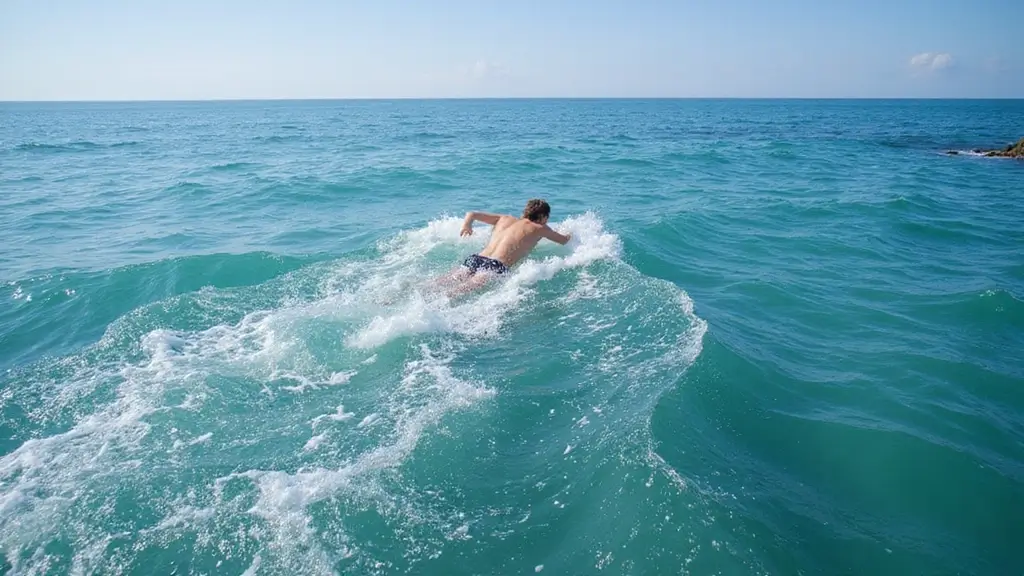

Open water swimming can feel both thrilling and intimidating, especially when you’re gearing up for a big race in the UK or Europe. As summer approaches, I often find myself daydreaming about the sound of waves lapping against the shore and the thrill of diving into the ocean. This season has me craving new ways to enhance my swim pace and make the most of my training. That’s why I put together this post.
If you’re a swimmer who enjoys the freedom of open water, or you’re preparing for an upcoming event, this one’s for you. Whether you’re a seasoned swimmer or just starting out, you probably want to improve your speed and efficiency in the water. You care about your performance and want to feel confident as you tackle those waves.
In this post, you’ll discover 7 ocean-ready swim pace hacks that are practical, fun, and perfect for your next open water adventure. These tips will help you swim smarter, not harder, while also boosting your overall enjoyment of the sport. With these hacks, you’ll find the rhythm and pace you need to tackle the open water with ease. So, let’s dive in and get you ready to make a splash this swimming season!
Contents
- 1. Know Your Conditions
- 2. Practice Your Sighting
- 3. Find Your Rhythm
- 4. Embrace the Drafting Technique
- 5. Interval Training in Open Water
- 6. Nutrition & Hydration Strategy
- 7. Reflect and Adjust
1. Know Your Conditions

Understanding the water conditions is key to a successful swim in the UK and Europe. Each location offers different challenges, from serene lakes to rough ocean waves. Before you dive in, take a moment to assess your surroundings.
Start with the weather. Is it sunny or windy? A gentle breeze can create choppy waves, impacting your strokes. Next, check the tides. Tidal charts show how water levels rise and fall, and they can affect your pacing more than you might think. Lastly, identify sighting points. Look for landmarks to help you stay on course. This way, you won’t waste energy swimming off track.
By being aware of these elements, you can maintain a steady pace. This keeps your energy levels up and your mind focused on your swim instead of the conditions.
Here are some practical tips to help you prepare:
Check tidal patterns regularly. They change often and can impact your swim.
Look up weather reports. Adjust your swimming plan for windy days.
Use landmarks for navigation. They help you stay straight and save energy.
Practice in different conditions. Get comfortable with varied environments.
By knowing what to expect, you’ll swim smarter and more confidently. Enjoy the water!
Know Your Conditions
Editor’s Choice

Swim Buoy,Outdoor Swim Float,Inflatable Swim Buoy,Tow Air Float Suit,for…
 Amazon£9.99
Swimming Goggles for Men Women Adults – Anti Fog Swim Goggles with Uv Pr…
Amazon£8.992. Practice Your Sighting

Sighting is a game-changer for open water swimming. Unlike laps in a pool, where walls guide you, the open water can feel vast and confusing. You can easily lose your way if you don’t know how to sight properly. Mastering this skill helps you stay on course and keeps your pace steady.
Here’s how to improve your sighting:
Lift Your Head: Every few strokes, lift your head just enough to check your surroundings. Don’t raise it too high; that will disrupt your stroke. Just a quick glance is all you need to stay on track.
Spot Landmarks: Choose a buoy, a tree, or even a distant rock to swim toward. By focusing on something specific, you’ll swim in a straight line instead of zigzagging. This method helps you maintain your speed and energy.
Drills Matter: Make sighting a part of your training routine. During practice swims, incorporate sighting drills. This will help it become second nature when you’re out in open waters.
The more you practice sighting, the easier and more natural it will feel. You’ll glide confidently through the water, keeping your pace consistent and your swim enjoyable.
• Lift your head every few strokes to check your path.
• Choose landmarks to guide your direction.
• Practice sighting drills regularly during training.
• Stay relaxed to maintain a smooth stroke.
With these tips, you can navigate open water like a pro. Happy swimming!
Practice Your Sighting
Editor’s Choice

TOPLUS Swimming Goggles – Adult Unisex Swim Goggles with No Leaking, Ant…
Amazon£8.99
SEAC Unisex’s Pull Buoy Float For Swim Training In the Pool and the Sea,…
Amazon£12.313. Find Your Rhythm

Finding your swim rhythm is essential for a great open water experience. Just like a band needs a beat, your strokes need a steady pace. When you hit that sweet spot, swimming becomes smoother and faster.
To help you find your rhythm, try these simple strategies:
Focus on Breathing: Breathe every three strokes to keep your stroke balanced. This will help you maintain a steady pace while also keeping your energy levels up.
Use a Metronome: Download a metronome app or listen to music with a steady beat while you swim. This will help you establish a consistent stroke count. Aim for a target number of strokes per minute, and adjust as needed.
Experiment with Rhythms: Try swimming at different paces during your practice sessions. Some days, go faster; other days, slow down. This will help you discover what feels most comfortable and natural for you.
As you work on your rhythm, each swim will start to feel more fluid. It’s like dancing in the water! Not only will this boost your speed, but it will also make your sessions more enjoyable. Embrace the process, and you’ll feel the difference in no time.
Fun fact: breathe every three strokes to lock in a steady rhythm. This trick makes open water pace UK & Europe feel 20% smoother and faster once you dial in your beat.
Find Your Rhythm
Editor’s Choice

SportCount Chrono 200 (C200) Swimming Lap Counter & Timer
Amazon£39.994. Embrace the Drafting Technique

Master the Art of Drafting
Drafting isn’t just for cyclists; it’s a game changer in the water too. When you swim closely behind another swimmer, you can reduce your effort while speeding up your pace. Imagine gliding through the water, feeling less drag and more flow. This technique can be your secret weapon for longer swims.
To get the most out of drafting, keep these tips in mind:
Position Yourself Right: Stay just a few feet behind the swimmer ahead. Angle yourself slightly to the side to avoid collisions. This way, you can benefit from their slipstream while staying safe.
Save Your Energy: Drafting significantly cuts down the resistance from the water. You’ll use less energy, which is crucial when you’re aiming for a personal best or just trying to finish strong.
Practice with Friends: Grab a buddy and train together. Work on getting the right distance and formations. You’ll feel more comfortable and confident during actual races.
The benefits are clear. Mastering drafting can transform your swimming experience, making long-distance events less daunting. Plus, it’s a smart strategy that can lead to faster times.
Here’s a little more to think about:
Be aware of your surroundings so you can adjust quickly.
Communicate with your drafting partner about your plans.
Stay relaxed to maintain your rhythm and flow.
Don’t forget to practice in different conditions to be ready for anything.
Embrace drafting, and watch your performance soar!
Embrace the Drafting Technique
Editor’s Choice
Swimming Goggles for Men Women Adults – Anti Fog Swim Goggles with Uv Pr…
Amazon£8.99
You might also like

10 Most Beautiful Swimming Pools in the World You Must Visit at Least Once! – Travel vibes 10 Most Beautiful Swimming Pools

12 Breathtaking Natural Swimming Waters That Are So Clear You Won't Believe Your Eyes! – Travel vibes 12 Breathtaking Natural Swimming Waters That Are So Clear You Won't Believe Your Eyes! | Travel vibes
5. Interval Training in Open Water

Interval training in open water can truly elevate your swimming game. It’s not just about going fast; it’s about building strength and endurance. By pushing yourself during short bursts, you can improve your overall pace and stamina.
Let’s break down how to effectively incorporate interval training into your swims:
Warm-Up: Begin with an easy swim to loosen your muscles. This prepares your body for more intense activity and prevents injuries.
Sprint Sets: Try swimming at a faster pace for 30 seconds. Then, slow down for 1-2 minutes to recover. Repeat this cycle several times. You’ll feel your heart race, but that’s part of the challenge!
Distance Focus: Pick a distance, like 100 meters, and swim it at full speed. After that, take a set time to recover. This helps you learn how to swim at a high intensity while managing fatigue.
Interval training is not just a workout; it’s a strategy to boost your performance in open water. You’ll notice improvements in your speed and endurance, making those longer swims feel easier over time.
Here are some quick tips to get you started:
– Use a stopwatch to time your sprints and recovery.
– Choose safe, familiar open water locations for your training.
– Pick a buddy to swim with for safety and motivation.
– Add variety by mixing different distances and speeds.
With consistent practice, you’ll become more confident in your swimming abilities. Embrace the challenge and watch as your pace improves in open water!
Fun fact: Short sprint intervals in open water (30 seconds on, 60 seconds off) can lift your open water pace UK Europe by up to 12–15% in a month. Keep warm-up easy and sprint-smart for steady gains.
Interval Training in Open Water
Editor’s Choice

FCXJTU Digital Waterproof Stopwatch, No Bells, No Clock, No Date, Simple…
Amazon£15.99
Swim Buoy,Outdoor Swim Float,Inflatable Swim Buoy,Tow Air Float Suit,for…
Amazon£9.99
MARU Training Fins, Silicone Swimming Flippers for Stronger, Faster Kick…
Amazon£22.996. Nutrition & Hydration Strategy

Fueling your body right is key to swimming your best. It’s not just about how you move through the water. What you eat and drink before and during your swim can significantly impact your performance. Let’s dive into some straightforward nutrition and hydration strategies that will keep you energized and focused.
Start with your pre-swim meal. About three hours before you hit the water, enjoy a light meal packed with carbohydrates. Think oatmeal with fruit or a bagel with honey. This will give you quick energy without making you feel heavy or sluggish.
Hydration is another big player. Drink water throughout the day leading up to your swim. Even if the water feels cool and you don’t feel thirsty, your body needs to stay hydrated. A good rule is to sip water frequently instead of gulping down large amounts at once.
During longer swims, you might need extra fuel. Consider bringing energy gels or drinks that you can consume without interrupting your stroke. Look for options that are easy to carry and won’t slow you down.
By keeping your nutrition and hydration in check, you’ll maintain your pace and boost your performance. Remember, what you put into your body matters just as much as how you swim.
• Plan a light meal 3 hours before swimming. Choose carbs for energy.
• Stay hydrated all day. Drink water even if you don’t feel thirsty.
• Bring energy gels for long swims. Pick easy-to-carry options.
• Listen to your body. Adjust your food and drink based on how you feel.
Nutrition & Hydration Strategy
Editor’s Choice

Science In Sport GO Isotonic Energy Gels, Running Gels with 22g Carbohyd…
Amazon£8.99
Hydration Bladder 1.5L,2L,3L Leakproof Water Reservoir,Leak Proof Water …
Amazon£8.99
High Protein Bars – Sports Nutrition Vegan Protein Bar – 20g High Protei…
Amazon£24.99
You Might Also Like

10 Best Children's Winter Coats That Are Adorably Warm (You Won't Believe #4!) – Travel vibes Best Children's Winter Coats

15 Must-Read Travel Guides That Will Make You Want to Book a Flight NOW! – Travel vibes 15 Must-Read Travel Guides That Will Make You Want to Book a Flight NOW! | Travel vibes
7. Reflect and Adjust

After every open water swim, take a moment to reflect. This simple act can transform your performance. By analyzing your pacing and the overall experience, you’ll gain insights that help you improve as a swimmer.
Here’s how to make your reflection more effective:
Keep a Swim Log: Jot down your times, distances, and how you felt during the swim. This practice lets you track your progress over time. You might notice patterns that show where you excel and where you struggle.
Set Realistic Goals: Use your log to create achievable goals for future swims. Focus on pacing and managing your energy better. For example, if you notice you tire out too quickly, aim to build endurance gradually.
Ask for Feedback: If you swim with a group or have a coach, don’t hesitate to seek their input. They can offer valuable perspectives on your pacing strategies. Sometimes, we miss things about our performance that others can easily spot.
By reflecting and adjusting, you’ll stay ahead of the game. Embrace this practice, and you’ll be ready for your next open water challenge, feeling more confident and prepared than ever.
• Keep a detailed swim log for tracking progress
• Set specific, realistic goals based on your log
• Seek feedback from fellow swimmers or coaches
• Embrace change to improve your future performance
Fun fact: swimmers who log every swim see faster gains in open water pace UK Europe, cutting on average 1–2 seconds per 100m within a month. Keep a log, compare weekly, and adjust.
Reflect and Adjust
Editor’s Choice

Wild Swimming Log Book: Keep Track of Your Outdoor Swims (Gift Idea for …
Amazon£5.99
Smart Watch for Men Women, 1.91″ Smart Watches Answer/Make Calls, Fitnes…
Amazon£18.99
Swim Smooth – The Complete Coaching System for Swimmers and Triathletes
Amazon£17.99Conclusion

Mastering your open water pace is a journey that blends technique, strategy, and personal growth. Keep these hacks in mind as you practice, and you’ll not only enhance your speed but also deepen your appreciation for the beauty of swimming outdoors.
Each swim is an opportunity to learn and improve, so embrace the challenges and celebrate your victories.
Whether you’re training for a competition or simply enjoying the water, these hacks will help you swim smarter and with joy!
Note: We aim to provide accurate product links, but some may occasionally expire or become unavailable. If this happens, please search directly on Amazon for the product or a suitable alternative.
This post contains Amazon affiliate links, meaning I may earn a small commission if you purchase through my links, at no extra cost to you.
Frequently Asked Questions
What are the best pacing tips for open water swimming in the UK and Europe?
When it comes to mastering your open water pace in the UK and Europe, consider starting with a consistent warm-up to get your body acclimated. Focus on maintaining a steady rhythm that matches your endurance level. Use landmarks or buoys to gauge your pace and keep your energy levels in check to avoid fatigue during long swims. Practicing these pacing tips can make all the difference in your performance!
How can I improve my open water training for better pacing?
Improving your open water training is all about consistency and technique. Incorporate interval training into your routine, where you swim at a faster pace for short bursts followed by recovery periods. Also, practicing sighting techniques can help you stay on course without losing your rhythm, ensuring your pacing remains effective. Don’t forget to simulate race conditions during your training for the best results!
What should I know about swimming in cold water conditions in Europe?
Swimming in cold water can be a shock to your system, but it’s manageable with the right preparation. Make sure to wear a wetsuit to help maintain body temperature and improve buoyancy. Gradually acclimatize your body to cold water by starting with short swims and increasing the duration. Always monitor your pacing closely, as cold water can affect your stamina and pace significantly.
Are there specific open water pacing strategies for different race distances?
Absolutely! For shorter races, like a sprint triathlon, you can afford to swim at a faster pace, as the distance is manageable. However, for longer events, like a half Ironman, it’s crucial to maintain a sustainable pace throughout. Start conservatively, gradually increase your speed, and save some energy for a strong finish. Tailoring your pacing strategy to the race distance can greatly enhance your performance!
What resources can I use to track and improve my open water pace?
To effectively track and improve your open water pace, consider using a GPS-enabled watch designed for swimming. These devices can provide real-time data on your speed and distance, helping you make adjustments as needed. Additionally, joining local swimming clubs or online communities can offer valuable insights, support, and shared experiences that can enhance your pacing strategies!
🌍 Travel Resources 2025
Looking for the best travel tools and websites this year? Our Travel Resources Hub covers flights, hotels, gear, insurance, and more. Smarter booking starts here.
🌍 Explore Travel Resources
Leave a Reply