
Travel Gear & Fashion

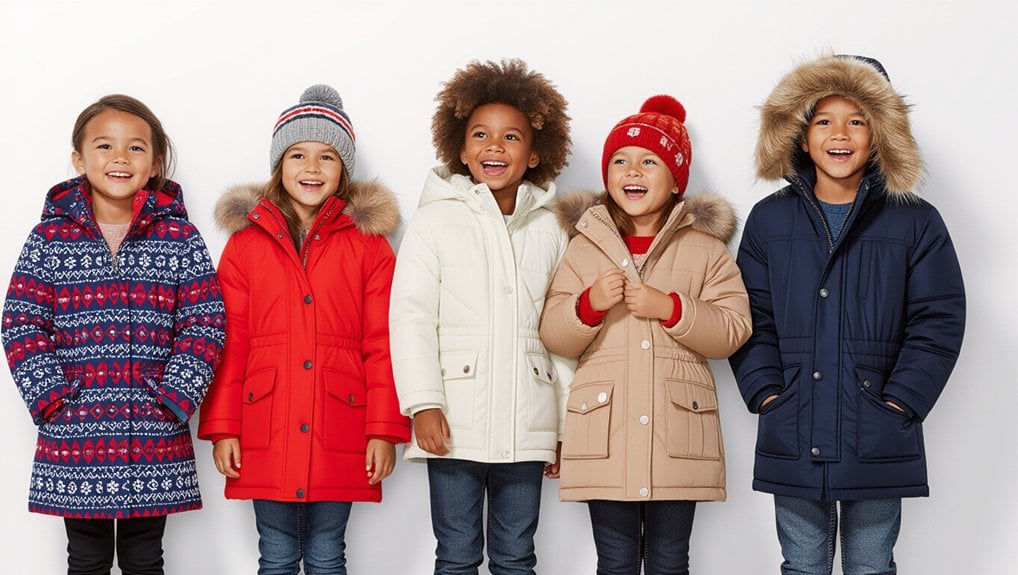
When dressing your kids for winter, proper clothing is vital to keeping them warm and safe. Start with moisture-wicking base layers to keep skin dry, add insulating mid-layers like fleece for warmth, and finish with a waterproof outer layer. Don’t forget insulated pants and important accessories such as thermal hats, gloves, and wool socks. Choosing the right gear with proper fits is imperative. If you want to know more about important features and maintenance tips, keep exploring!
Key Takeaways
- Proper layering is essential for winter warmth, consisting of a moisture-wicking base layer, an insulating mid-layer, and a protective outer layer.
- Choose quality winter coats, such as insulated jackets or 3-in-1 options, for versatile warmth and protection against the elements.
- Insulated snow pants or bibs are ideal for outdoor activities, ensuring both warmth and mobility during winter play.
- Accessories like thermal hats, waterproof gloves, and wool socks are crucial for retaining heat and protecting extremities from the cold.
- Regular maintenance of winter gear, including proper washing and waterproofing, is vital for extending the life of clothing and ensuring effectiveness.
Importance of Proper Winter Clothing
When it comes to keeping your kids warm during the winter months, proper clothing isn’t just a luxury—it’s a necessity. Adequate winter clothing is essential for maintaining body heat and preventing hypothermia during outdoor adventures in cold weather.
By investing in quality winter gear, you guarantee your children stay warm and dry while enjoying their playtime.
Layering is fundamental, so make certain to equip them with base, mid, and outer layers to enhance warmth and adjust to temperature changes.
Don’t forget accessories like hats, gloves, and thermal socks; they’re critical for retaining heat, as extremities lose warmth quickly and are prone to cold-related issues.
Essential Winter Clothing Items
Keeping your kids warm goes beyond just having a warm coat; it’s about equipping them with the right gear for every winter adventure.
Start with a moisture-wicking base layer made from materials like merino wool or synthetic thermal wear to keep their skin dry and warm.
Begin with a moisture-wicking base layer crafted from merino wool or synthetic materials to ensure your child’s skin stays dry and warm.
Next, add a mid-layer of insulated options such as fleece jackets or down vests for extra warmth.
The outer layer should consist of a waterproof winter coat, ideally a parka with sealed seams to shield against harsh elements.
Don’t forget insulated snow pants and thermal leggings; these are vital for ensuring dryness and allowing free movement during winter activities.
Finally, invest in waterproof boots with insulation and slip-resistant soles to keep their feet warm and safe in snowy or icy conditions.
With the right necessities, your kids will be ready to tackle any winter weather!
Types of Winter Coats and Jackets for Kids

Choosing the right winter coat or jacket for your kids is crucial for keeping them warm and comfortable during the chilly months. Here are three popular types of winter coats and jackets to evaluate:
-
Insulated jackets: These are the warmest options, available in down for lightweight warmth or synthetic for affordability and wet conditions.
-
Fleece and soft-shell jackets: Fleece provides moderate warmth but needs extra rain gear, while soft-shell jackets offer some rain and wind protection.
-
3-in-1 jackets: These versatile options feature a rainproof outer shell and an insulated liner, perfect for various weather conditions.
When selecting winter coats, look for features like adjustable cuffs, jacket length for added warmth, and hoods for extra protection.
With the right winter coat, your kids will be ready to enjoy the winter wonderland!
Types of Winter Pants (Outerwear) for Kids
When choosing winter pants for your kids, you’ll want to contemplate the differences between insulated and non-insulated options.
Insulated pants, like snow pants and bibs, offer superior warmth for colder days, while non-insulated styles, like fleece pants, are great for layering.
Understanding these choices will help you find the perfect fit for your child’s winter adventures.
Insulated vs. Non-Insulated
What’s the best option for your child’s winter adventures: insulated or non-insulated pants? Choosing between insulated snow pants and non-insulated snow pants can be essential for comfort and performance in winter activities. Here are three important considerations:
-
Warmth: Insulated snow pants provide necessary warmth for cold conditions, making them perfect for snowball fights or sledding.
-
Waterproof: Non-insulated snow pants are lightweight and waterproof, ideal for active play on milder days or for layering over fleece pants.
-
Activity Level: Think about your child’s activities; insulated options suit stationary fun, while non-insulated styles work well for running around.
Understanding these differences helps you select the right winter pants for your child’s unique needs.
Bibs vs. Snow Pants
As winter approaches, parents often find themselves weighing the advantages of snow bibs versus conventional snow trousers for their kids’ outdoor adventures.
Snow bibs provide superior fundamental warmth and coverage, making them perfect for colder weather conditions and long play sessions.
Nevertheless, snow pants are typically easier for bathroom breaks, which can be crucial for younger kids.
Both options feature insulation and are made from wind- and water-resistant materials, keeping your child dry during winter fun.
Consider the level of activity when choosing; bibs are great for less active play, while snow pants allow for more movement during sledding or snowball fights.
Plus, both styles often come with adjustable straps, ensuring a snug fit as your child grows.
Features to Consider in Kids Outerwear

Selecting the appropriate characteristics for children’s outerwear can make a substantial difference in their comfort and protection during winter activities.
When choosing the right gear, consider these vital features:
-
Jacket Length: Longer jackets offer extra warmth, while waist or hip-length styles cater to personal preferences.
-
Adjustable Cuffs and Extendable Sleeves: These features help seal out cold air and accommodate growth spurts, extending the life of the clothing.
-
Durability: Look for elements like glove leashes and reflective accents that improve both functionality and safety.
Don’t forget about insulated and waterproof mittens to keep their hands warm and dry.
A snug elastic hood is critical for toddlers, guaranteeing safety and protection during outdoor play.
Additional Tips for Buying Kids Winter Outerwear
When you’re shopping for kids’ winter outerwear, it’s vital to keep the local climate in mind. Choose jackets with appropriate insulation levels to guarantee your children stay warm and dry in cold weather.
Look for adjustable features like extendable sleeves and pant legs; these will help accommodate growth spurts and extend the usability of the clothing across multiple seasons.
Prioritize jackets with hoods, elastic cuffs, and hem closures to provide better protection against cold air and snow intrusion.
Assess durability by checking for reinforced knees on snow pants and glove leashes for added convenience.
Remember, finding the right fit is fundamental for effective layering, guaranteeing warmth and comfort during outdoor activities.
Accessories for Complete Winter Coverage

When it comes to keeping your kids warm in winter, the right accessories make all the difference.
Think thermal hats with earflaps, waterproof mittens, and cozy scarves that shield against biting winds.
Layering these crucial items guarantees every exposed area is protected, allowing your little ones to enjoy outdoor fun without the chill.
Essential Winter Accessories
As winter arrives, having the appropriate accessories can make all the difference in keeping your children warm and comfortable during outdoor adventures.
Here are three crucial winter accessories to take into account:
-
Thermal Hats: Look for hats with earflaps or fleece lining to guarantee warmth and wind protection for your child’s head.
-
Waterproof Mittens: Choose waterproof mittens for younger kids to keep their hands warm and dry while they play in the snow. Older children may prefer insulated gloves with adjustable wrist straps.
-
Wool Socks: Quality wool socks provide excellent insulation and moisture-wicking properties, keeping feet warm even in wet conditions.
Don’t forget to add soft, stretchy scarves to protect their necks from cold air.
Proper fitting is critical for maximum warmth and comfort!
Layering for Warmth
To keep your kids warm during the chilly winter months, effective layering is vital.
Start with a base layer made of moisture-wicking materials that keeps their skin dry and comfortable during outdoor activities. Next, add a mid-layer designed from insulating fabrics like fleece or down; this traps body heat, improving warmth beneath the outer layer.
The outer layer should be waterproof and windproof, shielding against harsh weather while maintaining breathability to prevent overheating.
Don’t forget the accessories! Thermal hats, waterproof mittens, and wool socks are important for keeping extremities warm, as they’re most vulnerable to the cold.
With proper layering techniques, your kids can easily adjust their clothing based on changing temperatures and activity levels, ensuring comfort and warmth throughout winter outings.
Layering Strategies for Maximum Warmth
Layering strategies are vital for keeping kids warm and comfortable during winter activities, especially in changing weather conditions.
To guarantee maximum warmth, focus on these three key layers:
-
Base Layer: Choose moisture-wicking pants and tops made from breathable materials like merino wool or synthetic fabrics. These fabrics effectively manage moisture and keep skin dry during physical activities.
-
Mid-Layer: Opt for insulating fleece jackets or down vests. This layer provides extra insulation and can be adjusted based on temperature and activity levels, making sure kids stay cozy.
-
Outer Layer: Select a waterproof snowsuit or parka. Look for features like sealed seams to block wind and moisture, keeping kids protected from harsh weather.
Maintaining and Caring for Kids’ Winter Gear

Keeping children warm during winter activities is only part of the equation; maintaining and caring for their winter equipment is just as important for ensuring it lasts through the season.
Always follow the manufacturer’s washing instructions to avoid damage and preserve the quality of your kids’ winter gear. For most items, air drying is preferred, but check care labels for safe tumble drying options.
Follow washing instructions carefully to maintain your kids’ winter gear, opting for air drying whenever possible.
To keep waterproof outerwear effective, regularly reapply waterproofing treatments, ensuring they stay dry and cozy.
Don’t forget to inspect gear frequently for wear, such as loose zippers or frayed seams; early repairs can extend the life of these items considerably.
Frequently Asked Questions
How Do I Choose the Right Size for My Child’s Winter Clothing?
To choose the right size for your child’s winter clothing, start by checking size charts for each brand, as sizes can differ.
Measure your child’s height and weight, and account for growth spurts by opting for a slightly larger size.
Layering strategies can also help; make certain the clothing fits comfortably over base layers.
Keep fitting tips in mind, like checking arm and leg lengths, to guarantee warmth and mobility throughout the winter season.
What Materials Are Best for Moisture-Wicking Base Layers?
When it comes to moisture-wicking base layers, you’ll want to hit the ground running with fabrics like polyester and merino wool.
These breathable materials offer excellent thermal insulation characteristics while remaining lightweight, perfect for layering techniques.
Look for options that keep your child dry and comfortable.
Don’t forget fabric care—washing in cold water and air drying helps maintain their effectiveness.
With the right choices, you’re setting your child up for cozy winter adventures!
Can Kids Wear Their Winter Clothes for Other Seasons?
Absolutely, kids can wear their winter clothes for other seasons!
Look for fabric durability and seasonal versatility to enhance use. Layering techniques allow you to adapt winter gear for milder climates, while style preferences can make outfits more fun year-round.
Consider the weather; lighter layers can be perfect for spring or fall. Plus, it’s a smart cost-effectiveness move—getting more wear out of fundamentals saves money in the long run!
How Do I Store Winter Clothing During Warmer Months?
To store winter clothing during warmer months, start by following fabric care instructions—wash and dry items properly.
Use space-saving solutions like vacuum-sealed bags to minimize bulk. Organize by size and type for easy access next winter.
When shifting seasons, consider climate considerations; if you live in a milder area, you might keep some items handy.
Finally, label containers for quick identification, making your seasonal change smoother and more effective.
What Are Signs My Child Needs New Winter Gear?
If you notice growth spurts, wear and tear, or temperature changes affecting your child’s comfort levels, it’s time for new winter gear.
Check if their current clothing feels snug or shows signs of damage.
Also, consider their evolving style preferences and the latest seasonal trends—kids often want to look good while staying warm.
Keeping an eye on these signs guarantees your child stays cozy, stylish, and ready for winter adventures.
Conclusion
As you gear up for winter, remember that proper clothing isn’t just about comfort; it’s vital for your child’s safety. Did you know that over 40% of kids experience hypothermia during winter months due to inadequate clothing? By investing in the right outerwear and accessories, you’re not just keeping them warm—you’re protecting their health. So, choose wisely, layer effectively, and enjoy the snowy adventures knowing your little ones are snug and safe!
- MINBEI Boys Girls Snow Boots Winter Waterproof Boots Kids Walking Boots Hiking Shoes Warm Lightweight
- 100 Percent Waterproof: The high-grade waterproof fabric made through many tests and improvements is used, and it has the characteristics of heat preservation and waterproof, so that children can play freely


🌍 Travel Resources 2025
Looking for the best travel tools and websites this year? Our Travel Resources Hub covers flights, hotels, gear, insurance, and more. Smarter booking starts here.
🌍 Explore Travel Resources
Leave a Reply