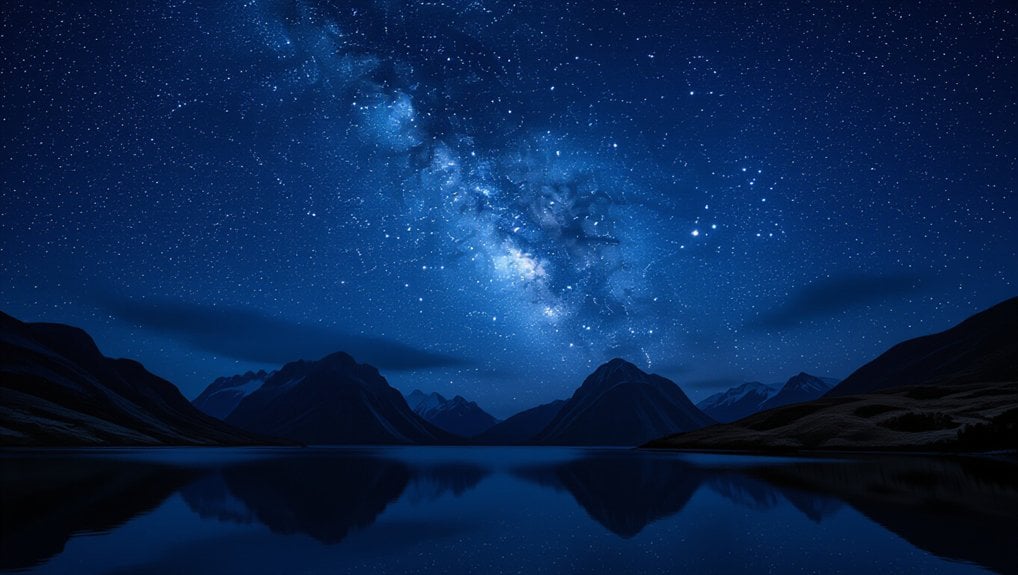


This winter, you can experience stunning stargazing at top destinations worldwide. Head to Death Valley or Jasper National Park for incredible views in North America, or investigate the dark sky reserves in Ireland and Portugal for mesmerizing Milky Way sightings. In the Southern Hemisphere, New Zealand’s Aoraki Mackenzie offers dazzling southern constellations. Don’t forget to check for unique celestial events like the Geminids meteor shower. Uncover even more amazing stargazing spots as winter unfolds!
Key Takeaways
- Visit Death Valley National Park in North America for optimal winter stargazing from October to April under its Gold Tier Dark Sky Park status.
- Explore Kerry International Dark-Sky Reserve in Ireland, offering clear nights from September to March for stunning views of the Milky Way.
- Head to Mauna Kea, Hawaii, where its high elevation reveals southern constellations not visible from the mainland during winter.
- Experience the Atacama Desert in Chile, where extreme dryness and altitude provide exceptional visibility for southern celestial wonders.
- Participate in the Dark Sky Festival in Portugal, celebrating the night sky with community events and ideal stargazing conditions.
Top Stargazing Destinations in North America
When it comes to celestial observation, North America boasts some truly extraordinary locations that promise breathtaking views of the night sky.
Death Valley National Park, a acknowledged Gold Tier Dark Sky Park, offers you unobstructed views of celestial phenomena from October to April, making it ideal for stargazing during Winter nights. You’ll find peak viewing conditions here, thanks to its incredibly dark skies.
Experience the stunning dark skies of Death Valley National Park, perfect for winter stargazing from October to April.
Jasper National Park in Alberta, the second-largest Dark Sky Preserve, dazzles with the Milky Way in summer and spectacular auroras in winter.
Meanwhile, Mauna Kea in Hawaii provides a unique twist; at nearly 14,000 feet, it reveals southern constellations unseen from the mainland.
Don’t forget Acadia National Park’s coastal views, where the Milky Way glimmers from July to October.
Each of these destinations offers clear skies and unforgettable stargazing experiences in the Northern Hemisphere.
Stunning Winter Stargazing Locations in Europe
While North America offers some fantastic stargazing spots, Europe also holds its own with breathtaking winter destinations that invite you to investigate the cosmos.
One standout is the Kerry International Dark-Sky Reserve in Ireland, where clear nights from September through March promise stunning views of the Milky Way. Participate in community-led star parties for an immersive experience.
Another gem is the Alqueva Dark Sky Reserve in Portugal, a certified Dark Sky location offering ideal stargazing conditions amid serene olive groves. For a unique adventure, plan your visit around a Dark Sky Festival to celebrate the beauty of the night sky.
Don’t miss the charming coastal vistas of the Iveragh Peninsula, where the stars will captivate you.
Europe is brimming with stargazing destinations that will leave you in awe of the universe’s wonders this winter!
Best Southern Hemisphere Stargazing Spots

If you’re eager to explore the cosmos this winter, the Southern Hemisphere provides some of the finest stargazing locales on the planet.
Begin your journey at the Aoraki Mackenzie Dark Sky Reserve in New Zealand, where you’ll experience breathtaking sights of southern constellations and the captivating Aurora Australis.
The Atacama Desert in Chile also stands out, boasting extreme aridity and high elevation, perfect for observing the Southern Cross and the Magellanic Clouds from March to October.
For pristine night skies with minimal light interference, head to Namibia’s NamibRand Nature Reserve, ideal for stargazing from May through September.
Don’t overlook Tierra del Fuego National Park in Argentina during winter months; its long austral nights provide spectacular views against a backdrop of glaciers and fjords.
With clear skies and unforgettable celestial occurrences, these stargazing destinations will leave you in awe.
Essential Tips for a Successful Stargazing Experience
As you prepare for a magical night under the stars, keep in mind that comfort and preparedness are crucial to a successful stargazing experience. Dress in layers to stay warm, as winter nights can get quite chilly.
Before heading out, check the moon phase; a new moon is ideal for spotting fainter celestial objects without pesky moonlight interference.
Bring along binoculars mounted on a tripod for a closer look at winter constellations and nearby celestial wonders. To improve your experience, download a sky app like SkyView or Stellarium to help you identify stars in real-time.
Remember to use a red light flashlight, which preserves your night vision while maneuvering and guarantees you won’t disturb fellow stargazers.
With these tips in mind, you’re set for a memorable stargazing trip under clear air, where the universe awaits your discovery.
Unique Celestial Events to Look Out For This Winter

Winter brings a wealth of unique celestial events that can enrich your stargazing experience. This season, keep your eyes peeled for the Geminids meteor shower, peaking around December 13-14. Under ideal dark sky conditions, you might catch up to 120 meteors per hour!
The winter solstice on December 21 offers the longest night of the year, perfect for observing celestial phenomena like the spectacular conjunction of Jupiter and Saturn. For the first time in nearly 400 years, these giants will appear close together in the evening sky.
Then, prepare for the Wolf Moon on January 28, illuminating the Milky Way and enriching your winter stargazing adventures. Don’t forget the northern lights, especially if you’re in Alaska or Canada, where clear skies increase your chances of witnessing this breathtaking display.
Bundle up and enjoy these magical moments under the stars!
Frequently Asked Questions
What Equipment Is Necessary for Stargazing This Winter?
For winter stargazing, you’ll need a few crucial items. A good telescope or binocular options can improve your view.
Don’t forget stargazing apps and star maps to navigate the night sky. Bring along astrophotography gear to capture stunning images.
Red LED lights help maintain your night vision, while warm blankets and portable chairs keep you cozy.
Finally, pack thermos drinks and smartphone accessories to enjoy your time under the stars.
Are There Any Guided Stargazing Tours Available?
Absolutely, there are guided stargazing tours available!
Have you ever wanted to investigate the night sky with local guides? These tours often include telescope rentals and expert tips for night sky photography.
You can join astronomy workshops, enjoy group experiences, and catch celestial events together.
Many travel packages also feature stargazing apps to improve your experience.
Don’t miss out on the chance to marvel at the universe with knowledgeable companions!
How Can I Identify Constellations While Stargazing?
To identify constellations while stargazing, start by using star maps or stargazing apps that highlight constellation patterns.
Check for seasonal visibility, as some constellations only appear at certain times. Learn their mythological origins to deepen your appreciation.
If light pollution‘s an issue, binocular options or essential telescopes can improve your view.
For astrophotography, remember to use longer exposures to capture detailed patterns.
Enjoy the beauty above as you navigate the night sky!
What Clothing Should I Wear for Cold Weather Stargazing?
Imagine you’re bundled up, gazing at the stars on a crisp winter night.
To stay warm, use layering techniques: start with a moisture-wicking base layer, add breathable fabrics, and finish with a windproof jacket.
Don’t forget insulated footwear to keep your toes toasty!
Thermal accessories like stargazing gloves and winter hats are crucial for comfort.
Is It Safe to Stargaze Alone at Night?
Yes, it can be safe to stargaze alone at night if you take precautions.
Consider night safety by choosing best locations away from light pollution. Stay aware of local wildlife and be prepared for emergencies. Guarantee your personal comfort with warm clothing and supplies.
Solo stargazing offers mental health benefits, but remain vigilant about the risks involved. Follow stargazing etiquette and enjoy the peaceful solitude while soaking in the beauty of the night sky.
Conclusion
So, whether you’re trekking through the snowy heights of North America, wandering the charming towns of Europe, or soaking in the southern skies, winter offers a magical canvas for stargazing. Embrace the chill, pack your equipment, and let the cosmos inspire you. With breathtaking views, unique celestial happenings, and unforgettable experiences waiting for you, it’s time to venture out. Remember, the universe is calling, and all you need to do is look up!
Leave a Reply