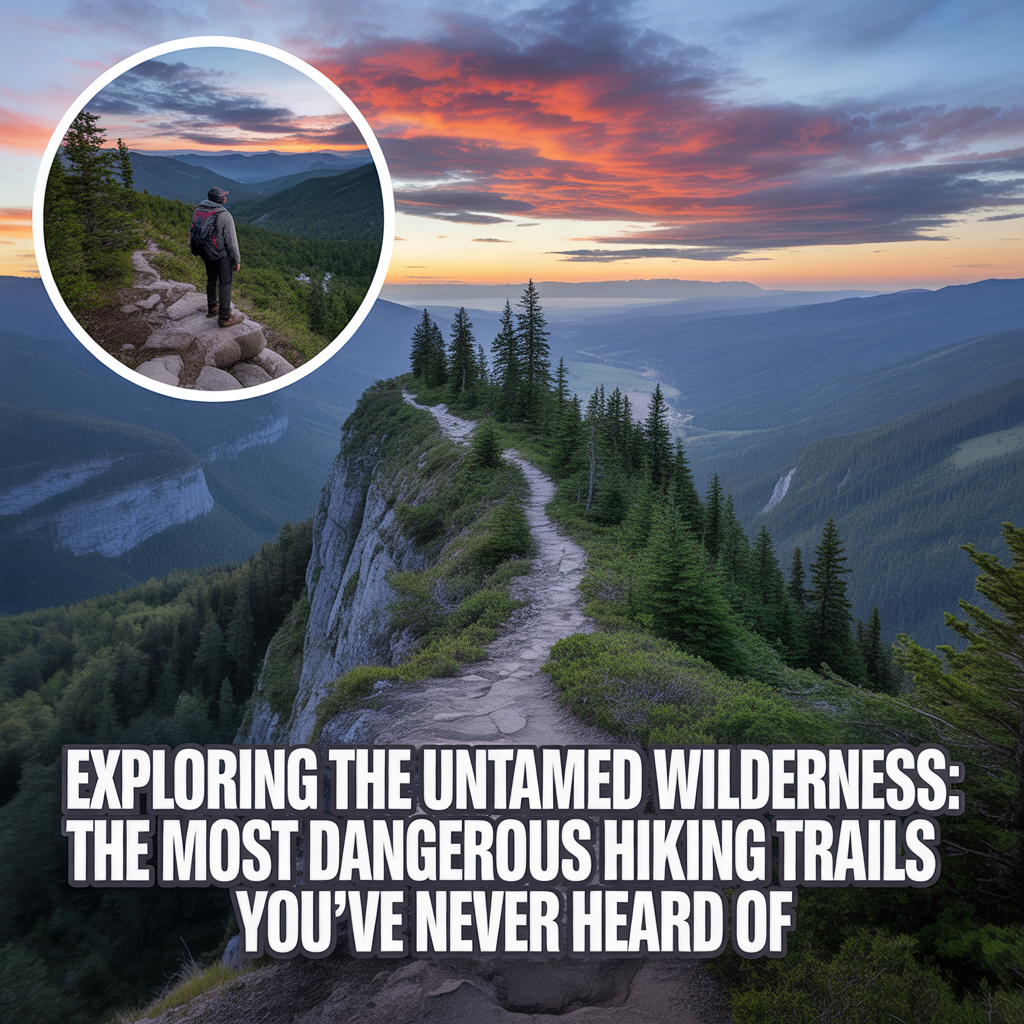

Exploring the Untamed Wilderness: The Most Dangerous Hiking Trails You’ve Never Heard Of
Have you ever thought about hiking somewhere truly wild? Not just a little off the beaten path, but so remote and unpredictable that only a handful of daring souls have ever set foot there? Let’s take a look at some trails that even your most adventurous friends probably haven’t heard of. And if you’re wondering why these places don’t show up on your average “Top 10 Hikes” list—well, you’ll find out soon enough.
Drakensberg Traverse, South Africa
Imagine a trail where you might need to use metal chains to pull yourself up steep cliffs. The Drakensberg Traverse isn’t marked. There’s no visitor center or friendly ranger to point you in the right direction. Just you, the wind, and about 140 miles of rugged mountain terrain. The weather can change in minutes, so it’s not unusual for hikers to start in sunshine and end up in thick fog or a hailstorm. There are no huts, and you’ll need to carry everything you need on your back. If you want a real challenge, this is it. How’s your sense of direction?
The Maze, Canyonlands National Park, USA
The Maze lives up to its name. This area is a web of canyons and dead-ends, and it’s easy to get lost. The National Park Service even warns that rescue could take days. You won’t find water fountains or cell service here. The rock faces look similar, and the sun can bake the ground during the day, then leave you shivering at night. Not many people try this trail, and even fewer finish it without at least one “where am I?” moment. Packing a map, compass, and a cool head isn’t just smart—it’s necessary.
Kalalau Trail, Hawaii
At first glance, the Kalalau Trail looks like paradise. Green cliffs, turquoise water, and waterfalls make it look like a postcard. But this trail is no walk in the park. The path hugs the side of slippery cliffs, sometimes only a foot or two wide. There’s mud, flash floods from sudden rain, and falling rocks. The most dangerous part? Crossing the Hanakapiai Stream after heavy rain—it can rise in seconds and sweep hikers out to sea. Ever tried hiking with one eye on the weather and the other on your footing? This is the place to do it.
Huayna Picchu, Peru
You’ve seen photos of Machu Picchu, but have you ever heard about the climb up Huayna Picchu? The “Stairs of Death” aren’t called that by accident. The stone steps are ancient, steep, and often wet from clouds or rain. There are no railings, and a single slip could end badly. Only a few hundred visitors are allowed up each day, probably for good reason. If heights make your palms sweat, just looking at photos might be enough.
Mount Hua Shan, China
Mount Hua Shan has a reputation as one of the world’s most dangerous hikes, and it’s easy to see why. At certain points, hikers cross wooden planks bolted to a cliff, with nothing but a harness and a chain to hold onto. Below? A drop straight down, sometimes more than 2,000 feet. People come here to test their nerves—and maybe their luck. The reward? Some of the most stunning views in China, if you can stop shaking long enough to enjoy them.
El Caminito del Rey, Spain
This trail used to be called the world’s most treacherous walkway. For years, the narrow path clung to a sheer rock face, with holes and broken sections everywhere. Parts of it had no railing at all. After renovations, it’s a bit safer now, but it’s still not for the faint-hearted. Walking above the river, with the wind whistling around you and the cliffs stretching up on both sides, is unforgettable. Would you look down, or keep your eyes glued to the next step?
Mount Washington, USA
Mount Washington doesn’t sound that wild, does it? But the weather here is famous for a reason. Winds have reached over 230 miles per hour at the summit—the highest ever recorded on land. Snow can fall in June. The temperature can drop from warm to freezing in minutes. Hikers have been caught off guard by sudden storms more than once. It’s a reminder that danger isn’t always about cliffs or remote jungles. Sometimes, it’s just the sky above you.
Snowmen Trek, Bhutan
If you’ve got a few weeks (and a lot of stamina), the Snowmen Trek is one of the longest and most remote hikes in the Himalayas. The trail crosses eleven passes, some over 16,000 feet high. Altitude sickness, freezing temperatures, and unpredictable weather are just part of the deal. Supplies have to be carried by pack animals, and once you start, turning back isn’t easy. But those who finish say the isolation and sheer beauty are like nothing else on earth. Would you trade comfort for a shot at one of the world’s last true wilderness hikes?
West Coast Trail, Canada
The West Coast Trail on Vancouver Island is famous for its mud, ladders, and unpredictable tides. Hikers face everything from slippery boardwalks to river crossings and bear encounters. The weather is often wet, and the trail can be closed at a moment’s notice due to storms. Losing your footing here is easy—especially with a heavy pack and tired legs. The reward for all that effort? Misty forests, hidden beaches, and a sense of accomplishment that lasts long after your boots dry out.
Pitangui to Lençóis Maranhenses, Brazil
Ever tried hiking across sand dunes for days under the blazing sun? The trail from Pitangui to Lençóis Maranhenses crosses one of the world’s largest dune fields. There are no trees for shade, and the only water comes from rain-filled lagoons. Getting lost is a real risk, since the wind changes the dunes’ shape every day. And the heat? Don’t forget your hat and a sense of humor. You’ll need both.
Are These Trails for You?
Why do people seek out trails like these? Maybe it’s the thrill. Maybe it’s the promise of seeing something almost no one else has. Or maybe it’s just the urge to test your limits, far from crowds and signposts. Would you try any of these wild hikes, or do you prefer to keep both feet firmly on the ground? Either way, these trails prove that adventure is still out there—waiting for those brave (or just a little bit crazy) enough to look for it.
Leave a Reply