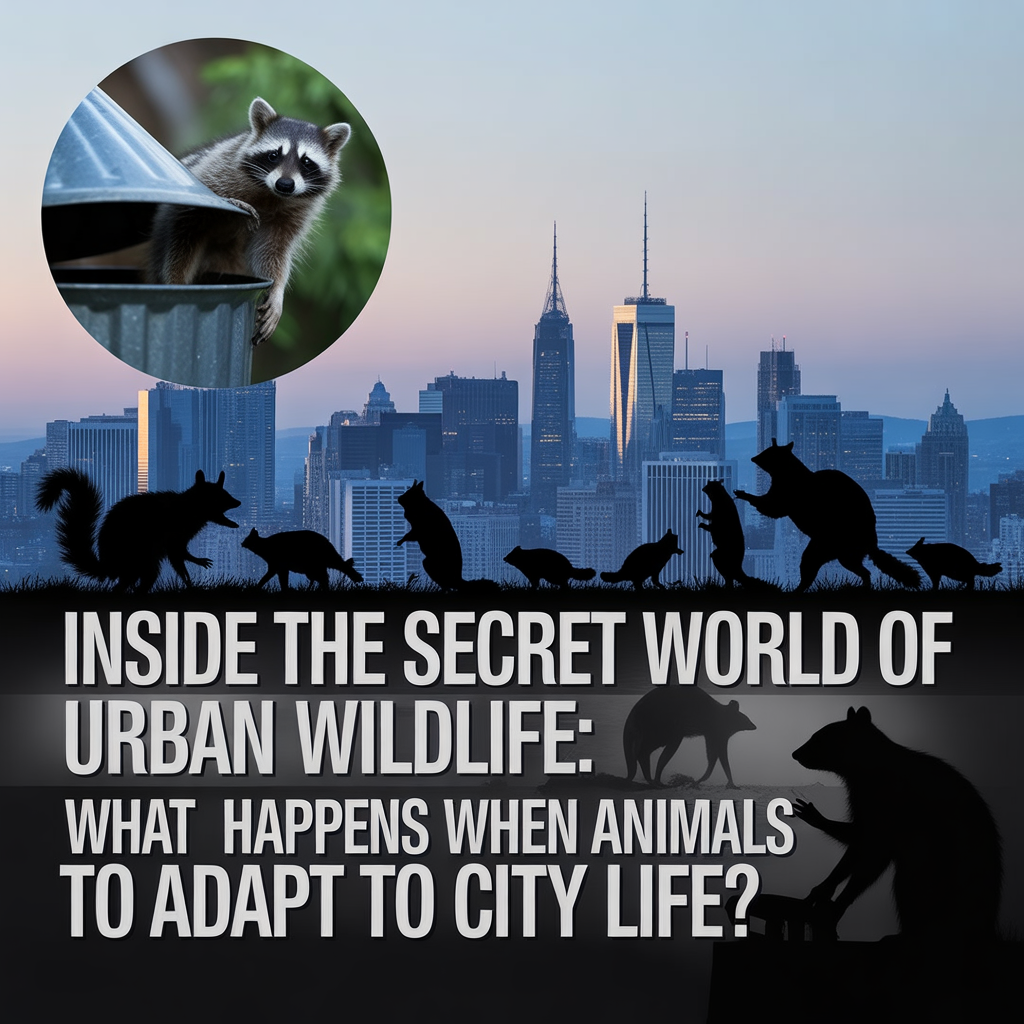

Inside the Secret World of Urban Wildlife: What Happens When Animals Start to Adapt to City Life?
Ever seen a fox trotting down the sidewalk at midnight? Or maybe you’ve watched a raccoon expertly open a garbage bin like it’s cracking open a safe. City life isn’t just for people. Animals are moving in, too, and they’re not exactly asking for permission. So, what’s really going on when wildlife decides to call the city home? Let’s jump into this fascinating secret world right under our noses.
Why Are Animals Choosing the City?
It’s not just about easy food. Urban areas can actually be pretty attractive to animals looking for a place to live. Think about it. There’s warmth from buildings, less competition from predators, and always a snack somewhere (your pizza crust, for example). Birds, squirrels, and even bigger animals spot these perks and decide city life isn’t so bad after all.
But what really makes a city so appealing to animals? For one thing, cities are full of hiding spots. From subway tunnels to backyard sheds, there’s no shortage of places to take cover. Plus, city parks and gardens are packed with tasty bugs, seeds, and berries. Who could blame a hungry hedgehog for moving in?
Who Are the New City Dwellers?
You might already know about pigeons and rats—they’re basically city mascots by now. But have you ever spotted a coyote in the parking lot or a family of opossums hanging out on your fence? More animals are joining the urban crowd every year.
You Might Also Like

This Surprising Color Scheme Will Instantly Transform Your Living Room into a Cozy Retreat – CozyGrain – Thoughtful Living with Rustic Charm
Take foxes, for example. In some cities, they’re almost as common as stray cats. And raccoons? Their “hands” are so nimble, they’d probably be great at video games if given the chance. Even deer have started making regular appearances in some neighborhoods, staring at traffic lights and probably wondering if they’ll ever get the hang of crossing busy streets.
How Do Animals Change to Survive City Life?
Here’s where it gets really interesting. Animals don’t just move in—they change. Urban wildlife is constantly figuring out how to live alongside humans. For some, this means getting bolder. You’ll see squirrels that practically demand your sandwich at lunchtime, or birds that swoop in for a snack the moment you turn your back.
Some animals are even changing their schedules. Owls and foxes, for instance, often become more active at night to avoid people. And let’s not forget about the raccoons who’ve basically turned into nighttime garbage collectors—minus the reflective vests, of course.
Ever wondered how animals cross busy roads without getting hurt? Some, like coyotes, learn to wait for a green light. No, really—they watch traffic and cross safely. That’s some next-level street smarts.
City Living: The Good and the Bad
It’s not all easy for city wildlife. Sure, there’s food and shelter, but there are also cars, pollution, and the occasional grumpy neighbor. Sometimes animals get into trouble, whether it’s a raccoon stuck in a chimney or birds tangled in wires. Animal rescue groups stay busy helping out these urban adventurers.
On the bright side, cities can offer more stable food sources and fewer natural predators. Urban parks often act as mini-wildlife reserves, and some cities are even adding “wildlife crossings” to help animals get around safely. Have you ever seen one of those bridges covered in grass above a highway? That’s for animals, not people. Pretty smart, right?
How Do People Feel About Their New Neighbors?
People have mixed feelings about urban wildlife. Some love seeing foxes and birds up close. Others, well, they get annoyed when squirrels dig up their flowerbeds or pigeons leave “gifts” on their cars. But city animals have a way of sparking curiosity. Kids spot a hedgehog in the backyard and suddenly want to know everything about it. Even adults stop to watch a flock of parakeets chatter in the trees. Have you found yourself doing the same?
Some folks take things a step further and create wildlife-friendly spaces. Birdhouses, bee hotels, and even special gardens help make the city a little more welcoming. It’s a win-win: animals get a safe spot, and people get a front-row seat to nature’s show.
Strange and Surprising Adaptations
Did you know that some birds in the city sing louder than their country cousins? With all the traffic noise, they have to raise their voices to be heard. And pigeons? They can spot the difference between a crosswalk and the rest of the street, which helps them avoid a sticky end.
Rats have even learned to travel through pipes and underground tunnels to avoid danger. Foxes sometimes use garden trampolines for fun—or maybe they’re just practicing for the next Olympics. Have you ever caught a squirrel doing something that made you laugh?
What Does the Future Hold?
Cities keep growing, and so does the urban animal population. Scientists are starting to study these animals more closely, hoping to learn how city life shapes them. Are they getting smarter? Braver? Only time will tell.
One thing is clear: animals aren’t just surviving in cities—they’re thriving, in their own clever ways. Next time you spot a fox slipping through an alley or a raccoon raiding your trash, take a moment to wonder what else is happening in this secret world. There’s a lot more to city life than meets the eye. Who knows what you’ll discover next time you step outside?
Explore our best travel guides
Best time to visit destinations worldwide
Month-by-month travel weather guides and seasonal tips
Travel planning guides & itineraries
Routes, budgets, packing lists and trip planning advice
City breaks and short escapes
Weekend trips, European cities and quick getaway ideas
Best honeymoon destinations for 2026
Romantic, luxury and unique honeymoon travel ideas
Leave a Reply