
Country in the Spotlight
Spain Travel Guide
Our featured destination — complete travel guide, tips & planning advice.
Explore SpainExplore Other Destinations
- Italy
- Thailand(coming soon)
- Portugal (coming soon)
- Japan (coming soon)
Have you ever looked up at a mountain and felt an overwhelming urge to conquer it? I created this post because the thrill of climbing the highest peaks in Europe is something every adventure seeker should experience. These towering giants not only challenge your physical limits but also offer breathtaking views that leave you in awe.
If you’re an adrenaline junkie, a nature lover, or someone who dreams of standing atop majestic peaks, this article is just for you. You’ll find a list of the ten highest peaks in Europe that are calling your name. Each one presents a unique challenge and a story worth sharing.
What can you expect from this journey? I’ll guide you through the essential peaks you must climb before you kick the bucket. From the iconic Mont Blanc to the stunning Monte Elbrus, each mountain has its own allure. Get ready to discover what makes each climb special, along with tips on how to prepare for your adventure.
So grab your gear and get ready! Whether you’re planning your next big climb or simply dreaming about the mountains, this list will inspire you to lace up your boots and hit the trail. You won’t want to miss the stunning beauty and challenges that await you at these incredible heights.
Key Takeaways
– Climbing Mont Blanc, the highest peak in Europe, offers both stunning views and a variety of routes for different skill levels.
– Each of the ten peaks provides a unique experience, with challenges ranging from technical ascents to long treks.
– Preparing physically and mentally is crucial; start training well in advance to tackle these majestic mountains.
– Many of these climbs can be done during the summer months, making them accessible for seasonal adventurers.
– Don’t forget to respect the mountains and follow local guidelines to ensure a safe and enjoyable experience.
Contents
- 1. Mont Blanc
- 2. Dufourspitze
- 3. Matterhorn
- 4. Gran Paradiso
- 5. Finsteraarhorn
- 6. Weisshorn
- 7. Monte Elbrus
- 8. Dom
- 9. Zugspitze
- 10. Piz Bernina
1. Mont Blanc

If you’re seeking an unforgettable climbing experience, Mont Blanc is calling your name. As Europe’s tallest peak at 4,808 meters, this majestic mountain offers breathtaking glacial landscapes and lush valleys that will leave you in awe. The thrill of climbing Mont Blanc is accessible to many, with routes that cater to various skill levels, making it a beloved destination for both amateurs and seasoned climbers.
To embark on this adventure, focus on preparing adequately. Acclimatize to the altitude to enhance your comfort while climbing, stay updated on weather conditions, and ensure you have the right climbing gear. Joining a guided tour can significantly benefit novices, as experienced guides will enhance your safety and enjoyment. After your climb, indulge in the cozy lodges and delicious local cuisine in nearby Chamonix.
Key details about Mont Blanc:
– Experience breathtaking views at every turn
– Choose from multiple routes based on your skill level
– Enjoy local delicacies in charming Chamonix
– Remember to acclimatize and prepare properly
Climbing Mont Blanc is not just a physical challenge; it’s an experience that enriches your spirit and provides unforgettable memories. You’ll feel a sense of achievement and connection to nature that lasts long after you descend.
Mont Blanc
Editor’s Choice
Price updated on December 12, 2025 at 1:20 PM

PETZL Unisex Corax Harness For Climbing And Mountaineering Multipurpose …
 Amazon£53.37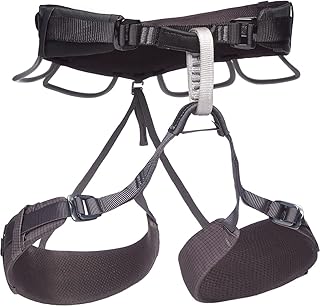


2. Dufourspitze

Dufourspitze stands proudly at 4,634 meters, marking itself as a true gem for serious climbers. This peak, part of the Monte Rosa massif, offers rugged beauty and exhilarating climbs that challenge even the most experienced adventurers. The thrill of reaching the summit is matched only by the stunning views that await you, stretching across the breathtaking landscapes of Switzerland and Italy.
Preparing for Dufourspitze requires solid mountaineering skills and the ability to navigate glacier travel and steep slopes. Consider climbing with a trusted partner or a guide for added safety and peace of mind. Training in technical skills will enhance your climbing experience and help you conquer this majestic peak.
Essential information for climbing Dufourspitze:
– Prepare for glacier travel and steep ascents
– Climb with experienced partners for safety
– Enjoy stunning panoramic views from the summit
– Ensure you have advanced mountaineering skills
Conquering Dufourspitze challenges both your physical and mental endurance. The rewards of reaching the summit are truly breathtaking, making every effort worthwhile.
Dufourspitze
Editor’s Choice
Price updated on December 12, 2025 at 1:20 PM


Climbing Harness, Wider Half Belt for Mountaineering, Half Body Climbing…
Amazon£23.50
G12 NEW-CLASSIC EVO crampón CE, Ice & Snow Grips, GV-RAG12NCEF
Amazon£134.99
TREKOLOGY Crampons for Hiking Boots – 19-Spike Stainless-Steel Microspik…
Amazon£20.993. Matterhorn

The Matterhorn, standing at 4,478 meters, is not just a peak; it’s an icon. Known for its iconic pyramid shape, this mountain draws climbers from around the world, eager to tackle its challenging routes. The Hörnli Route is the classic choice, offering thrilling climbs and stunning views, though it demands technical skills and readiness for unpredictable weather.
Safety is paramount while climbing the Matterhorn, so always check conditions before you head out. Inform someone of your climbing plans to ensure safety. After an exhilarating ascent, immerse yourself in the local Swiss culture by enjoying a fondue or a relaxing stroll through the picturesque village of Zermatt.
Important details for climbing the Matterhorn:
– Experience breathtaking views from the summit
– Prepare for technical climbing sections
– Sample delightful Swiss cuisine post-climb
– Always check weather conditions and inform someone
Climbing the Matterhorn is a rewarding adventure, combining the thrill of challenge with the beauty of nature, leaving you with lasting memories and stories to share.
Matterhorn
Editor’s Choice
Price updated on December 12, 2025 at 1:20 PM
PETZL Unisex Corax Harness For Climbing And Mountaineering Multipurpose …
Amazon£53.37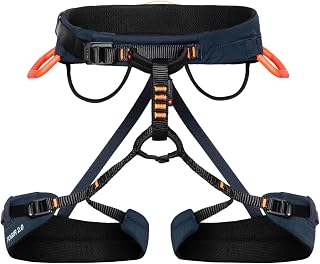

Via Ferrata Unisex Climbing Helmet for Men/Women One Size Adjustable Lig…
Amazon£44.78
4. Gran Paradiso

Gran Paradiso, Italy’s first national park, sits at a welcoming height of 4,061 meters, making it an excellent choice for beginner mountaineers. Its less technical routes offer a chance to challenge yourself without the overwhelming demands of higher peaks. The standard route, starting from the Vittorio Emanuele II hut, provides stunning views of valleys and distant peaks as a reward for your efforts.
This climb also offers the charm of wildlife sightings, with ibex and chamois frequently spotted along the way. Remember to respect the natural environment by adhering to marked trails and packing out what you bring in.
Key points for climbing Gran Paradiso:
– Enjoy breathtaking views without extreme technical challenges
– Look out for local wildlife on your ascent
– Follow marked trails to preserve nature
– Ideal for novice climbers seeking adventure
Climbing Gran Paradiso is a fulfilling experience, allowing you to connect with nature while enjoying a relatively gentle ascent that rewards with stunning vistas.
Gran Paradiso
Editor’s Choice
Price updated on December 12, 2025 at 1:20 PM
PETZL Unisex Corax Harness For Climbing And Mountaineering Multipurpose …
Amazon£53.37


5. Finsteraarhorn

At 4,274 meters, Finsteraarhorn reigns as the highest peak in the Bernese Alps, often referred to as the ‘crown’ of the range. This peak offers a blend of glacier crossings and technical climbing, appealing to seasoned adventurers seeking a challenge. The Finsteraarhorn Hut serves as a popular base, providing stunning views and a cozy atmosphere for climbers to rest.
The climb is demanding, but the summit rewards you with unparalleled views of neighboring peaks and the breathtaking Aletsch Glacier below. If you’re new to glacier travel, consider hiring a guide to enhance your climbing experience and safety.
Essential climbing information for Finsteraarhorn:
– Prepare for glacier crossings and technical ascent
– Stay at the Finsteraarhorn Hut for acclimatization
– Enjoy spectacular views from the summit
– Ensure you have experience in glacier travel
Reaching the summit of Finsteraarhorn is an exhilarating experience that not only tests your climbing skills but also provides breathtaking views that make every effort worthwhile.
Fun fact: Finsteraarhorn towers at 4,274 meters, the highest peak in the Bernese Alps—the crown of the range. The ascent blends glacier crossings with technical climbing; start early, allocate 6-10 hours, and use the Finsteraarhorn Hut as your cozy base for epic views.
Finsteraarhorn
Editor’s Choice
Price updated on December 12, 2025 at 1:21 PM


You might also like

Europe's Most Beautiful Mountains

10 Breathtaking Romantic Towns in Italy That Will Steal Your Heart!
6. Weisshorn

Known as the ‘King of the Alps,’ Weisshorn rises majestically to 4,506 meters, often regarded as one of the most beautiful peaks in the Alps. Its striking silhouette features steep ridges and impressive ice formations, making it a challenging yet rewarding climb for advanced mountaineers. The East Ridge route is particularly popular for its unique views and thrilling difficulties.
Climbing Weisshorn requires strong alpine techniques and the ability to navigate unpredictable weather patterns. Proper preparation is essential, so ensure you have the right gear and training to tackle this majestic mountain. After your climb, enjoy the stunning scenery and the serene village of Zinal for a relaxing post-climb experience.
Key details for climbing Weisshorn:
– Experience breathtaking views from the summit
– Navigate challenging ice formations
– Enjoy the charming village of Zinal post-climb
– Ensure you possess advanced climbing skills
Conquering Weisshorn not only offers an exhilarating climbing experience but also allows you to appreciate the stunning beauty of the Alps, creating unforgettable memories.
Weisshorn
Editor’s Choice
Price updated on December 12, 2025 at 1:21 PM
PETZL Unisex Corax Harness For Climbing And Mountaineering Multipurpose …
Amazon£53.37


Men’S Softshell Jacket Mountain Climbing Camping Outdoor Functional-Jack…
Amazon£23.157. Monte Elbrus

As the highest peak in Europe at 5,642 meters, Monte Elbrus is a majestic giant nestled in the Caucasus Mountains. This mountain offers a unique blend of breathtaking views and accessible climbing opportunities, making it a popular choice for climbers of all levels. The standard route, known as the South Route, is non-technical and suitable for climbers with varying experience.
The ascent is captivating, taking you through lush green valleys before reaching the high-altitude environment where stunning panoramas await. A local guide is highly recommended, as they can provide valuable insights into the climb and the rich history of the region. After your adventure, indulge in delicious Caucasian cuisine to unwind and celebrate your achievement.
Important details for climbing Monte Elbrus:
– Experience stunning views throughout your ascent
– Choose the non-technical South Route for accessibility
– Enjoy local cuisine for a delightful experience
– Consider hiring a guide for added insights
Climbing Monte Elbrus is not just about reaching the top; it’s an enriching experience that combines adventure with cultural exploration.
Monte Elbrus
Editor’s Choice
Price updated on December 12, 2025 at 1:21 PM

MOUNTAINTOP 70L Hiking Backpack water-resistant Internal Frame Backpacks…
Amazon£78.99
Naturehike Rock 60/40+5L Internal Frame Hiking Backpack for Outdoor Camp…
Amazon£79.99


8. Dom

Dom, at 4,545 meters, is the highest mountain in the Valais Alps and offers a serene climbing experience away from the crowds. This peak requires proper planning, as it involves glacier travel and navigating challenging terrain. The views from the summit are mesmerizing, providing a breathtaking panorama of surrounding peaks and valleys that seem to stretch endlessly.
Many climbers choose to stay at the Dom Hut prior to their ascent, which allows for acclimatization and a chance to soak in the breathtaking views. Always check weather conditions and consider hiring a local guide to enhance your safety and enjoyment during the climb.
Key points for climbing Dom:
– Enjoy stunning panoramic views from the summit
– Stay at Dom Hut for acclimatization
– Check weather conditions for safety
– Ensure you have glacier crossing experience
Climbing Dom provides a peaceful escape into nature, rewarding you with breathtaking views and a sense of tranquility that marks your achievement.
Dom proves the highest peak rewards patience and planning. Tackle glacier travel with proper gear, book the Dom Hut for critical acclimatization, and the summit panorama will leave you speechless—and inspired to climb again.
Dom
Editor’s Choice
Price updated on December 12, 2025 at 1:21 PM


Unigear Crampons for Hiking Boots, Ice Snow Grips Snow Spikes Ice Cleats…
Amazon£23.99
PETZL Unisex Corax Harness For Climbing And Mountaineering Multipurpose …
Amazon£63.50
You Might Also Like

10 Most Beautiful Mountain Retreats in the World You Must Visit (Prepare to Be Amazed!) – Travel vibes Plan Your Next Adventure Most Beautiful Mountain Retreats in the World

10 Breathtaking Hiking Trails in Europe You Need to Experience (Number 5 Will Leave You Speechless!) – Travel vibes Plan Your Next Adventure 10 Breathtaking Hiking Trails in Europe You Need to Experience (Number 5 Will Leave You Speechless!) | Travel vibes Plan Your Next Adventure
9. Zugspitze

Zugspitze, Germany’s tallest peak, stands at 2,962 meters, offering accessible climbing options and stunning views that attract adventurers. While it may not be the highest peak, its various climbing routes, including the scenic Höllental route, provide a manageable challenge with breathtaking scenery. From the summit, you can enjoy sweeping views of the Alps, and on clear days, you might even catch a glimpse of the Italian Dolomites.
For those looking for a more relaxed experience, the Zugspitze cable car offers a spectacular way to reach the top, making the beauty of this peak accessible to everyone. Take time to explore the observation deck and enjoy a warm meal at the summit restaurant for a delightful day outdoors.
Important details for climbing Zugspitze:
– Experience breathtaking views without extreme difficulty
– Take the cable car for an effortless ascent
– Enjoy a warm meal at the summit restaurant
– Suitable for climbers of all skill levels
Climbing Zugspitze is a fulfilling experience that combines adventure with stunning scenery, allowing everyone to appreciate the beauty of the Alps.
Zugspitze rises to 2,962 meters, Germany’s highest peak—yet its routes stay approachable. From the summit, plan for sweeping Alpine panoramas and, on clear days, a glimpse of the Italian Dolomites; climb smart, start early, and enjoy the scenery.
Zugspitze
Editor’s Choice
Price updated on December 12, 2025 at 1:21 PM

TheFitLife Hiking Walking Trekking Poles – 2 Pack With Antishock And Qui…
Amazon£21.24
TheFitLife Carbon Fibre Trekking Poles – Collapsible and Telescopic Walk…
Amazon£38.63
TREKOLOGY TREKZ XE Hiking Poles Walking Sticks – Lightweight Foldable Al…
Amazon£24.99
Foxelli Carbon Fiber Walking Poles – Collapsible, Lightweight, Shock-Abs…
Amazon£59.97
LEKI Jannu Aluminum Adjustable Lightweight Walking Poles for Trekking & …
Amazon£76.9910. Piz Bernina

Standing at 4,049 meters, Piz Bernina is the highest peak in the Eastern Alps, presenting a breathtaking challenge for climbers. The Biancograt route is renowned for its stunning scenery and exhilarating exposure, making it a favorite among experienced mountaineers. As you climb, technical skills and a keen awareness of changing weather conditions are crucial to ensure safety while enjoying this thrilling adventure.
The ascent rewards you with spectacular views of glaciers and rugged peaks that surround you. Proper preparation is key, so practice your technical skills and consider climbing with experienced partners for added safety.
Key points for climbing Piz Bernina:
– Tackle the thrilling Biancograt route for stunning vistas
– Ensure you possess advanced climbing skills
– Be aware of changing weather conditions
– Climb with experienced partners for safety
Reaching the summit of Piz Bernina is a testament to your skills and determination, offering breathtaking views that make every step of the climb worthwhile.
Piz Bernina
Editor’s Choice
Price updated on December 12, 2025 at 1:21 PM
PETZL Unisex Corax Harness For Climbing And Mountaineering Multipurpose …
Amazon£53.37


Conclusion

Climbing Europe’s highest peaks is not just a test of physical endurance; it’s an opportunity to embrace nature’s beauty and discover unique landscapes.
From the iconic Matterhorn to the breathtaking Mont Blanc, each peak offers a distinct adventure that connects you with the mountains and the thrill of exploration.
So, pack your gear, gather your friends, and get ready for an adventure of a lifetime—these mountains are waiting for your climb!
Note: We aim to provide accurate product links, but some may occasionally expire or become unavailable. If this happens, please search directly on Amazon for the product or a suitable alternative.
This post contains Amazon affiliate links, meaning we may earn a small commission if you purchase through our links, at no extra cost to you.
Frequently Asked Questions
What is the highest peak in Europe and where is it located?
The highest peak in Europe is Mount Elbrus, located in the Caucasus on the border between Europe and Asia, Russia. At 5,642 meters, it’s widely regarded as the continent’s tallest summit.
It’s a non-technical climb on many routes, but the altitude and weather can still challenge you.
If you’re aiming to conquer the highest peak in Europe, plan for acclimatization days, train for endurance, and choose a route (the standard South or West Face routes are popular).
Gear up with crampons, an ice axe, helmet, harness, and proper insulated layers. A guided ascent is often recommended for first-timers, and the best windows are late spring to early summer.
Be sure to verify travel documents and local regulations if you’ll be entering from Russia or Georgia.
What kind of training is best to climb the highest peak in Europe?
To prepare for climbing the highest peak in Europe, start with a solid aerobic base, build leg strength, and focus on altitude conditioning. Create a 12–24 week plan that includes long hikes with a loaded backpack, interval cardio, and leg-and-core workouts. Practice essential mountaineering skills—crampon use, ice-axe technique, rope handling—on safe terrain or through a respected course.
Prioritize acclimatization with multi-day trips and staged ascent days. Nutrition, hydration, sleep, and injury prevention matter just as much as endurance training. Consider consulting a mountain guide or coach to tailor the plan to your current fitness and the specific peak you want to climb.
What gear and safety precautions do I need when tackling Europe’s highest peaks?
Gear up for the highest peak in Europe with a reliable toolkit: high-quality mountaineering boots, layered clothing, waterproof outer shell, insulated gloves, hat, and sunglasses. Bring a helmet, harness, rope, crampons, ice axe, and a headlamp. Pack a map, compass or GPS, a satellite messenger or beacon for emergencies, a first-aid kit, and a sturdy backpack with hydration. Don’t forget weather-appropriate food and a basic repair kit. Always climb with a partner or guide in exposed terrain, check weather and avalanche forecasts, and know when to turn back to stay safe.
Which European peaks are best suited for beginners versus experienced climbers?
For beginners, look for peaks with non-technical routes, good guiding infrastructure, and solid acclimatization opportunities—Gran Paradiso in Italy is a standout example from Europe’s high peaks. For experienced climbers seeking higher ambition or technical ice/glacier routes, aim for the continent’s high-altitude objectives such as Elbrus or other peaks with glacier travel, understanding that conditions can be extreme at altitude. Regardless of level, timing matters: plan for summer or early autumn when weather is more stable, and always consider hiring a local guide for safety and route-finding.
How should I plan a trip to climb Europe’s highest peak, including permits and the best time to go?
Start by selecting your peak from the list of Europe’s highest and then check visa requirements and entry permits if you’ll cross borders. Book a reputable local guide or operator to handle logistics, acclimatization days, and safety. Build a travel plan that covers flights, accommodation, gear rental, and insurance. Set a training timeline (6–12 months) and an actual climb window, typically late spring to early summer for many routes. Create a practical budget for permits, guides, transportation, and contingencies, and pack a comprehensive gear list tailored to the specific peak you’ll climb.
Explore Related Travel Planning Guides
Best Time to Visit Destinations Worldwide
Month-by-month travel weather guides and seasonal planning tips.
Travel Planning Guides & Itineraries
Routes, budgets, packing lists and expert trip-planning advice.
Euro & UK City Breaks and Short Escapes
Weekend trips, European cities and quick getaway inspiration.
Luxury & Honeymoon Travel Ideas
Romantic escapes, premium destinations and once-in-a-lifetime trips.
Leave a Reply